
The Richard Halliburton | Hangover House by William Alexander Levy - Laguna Beach
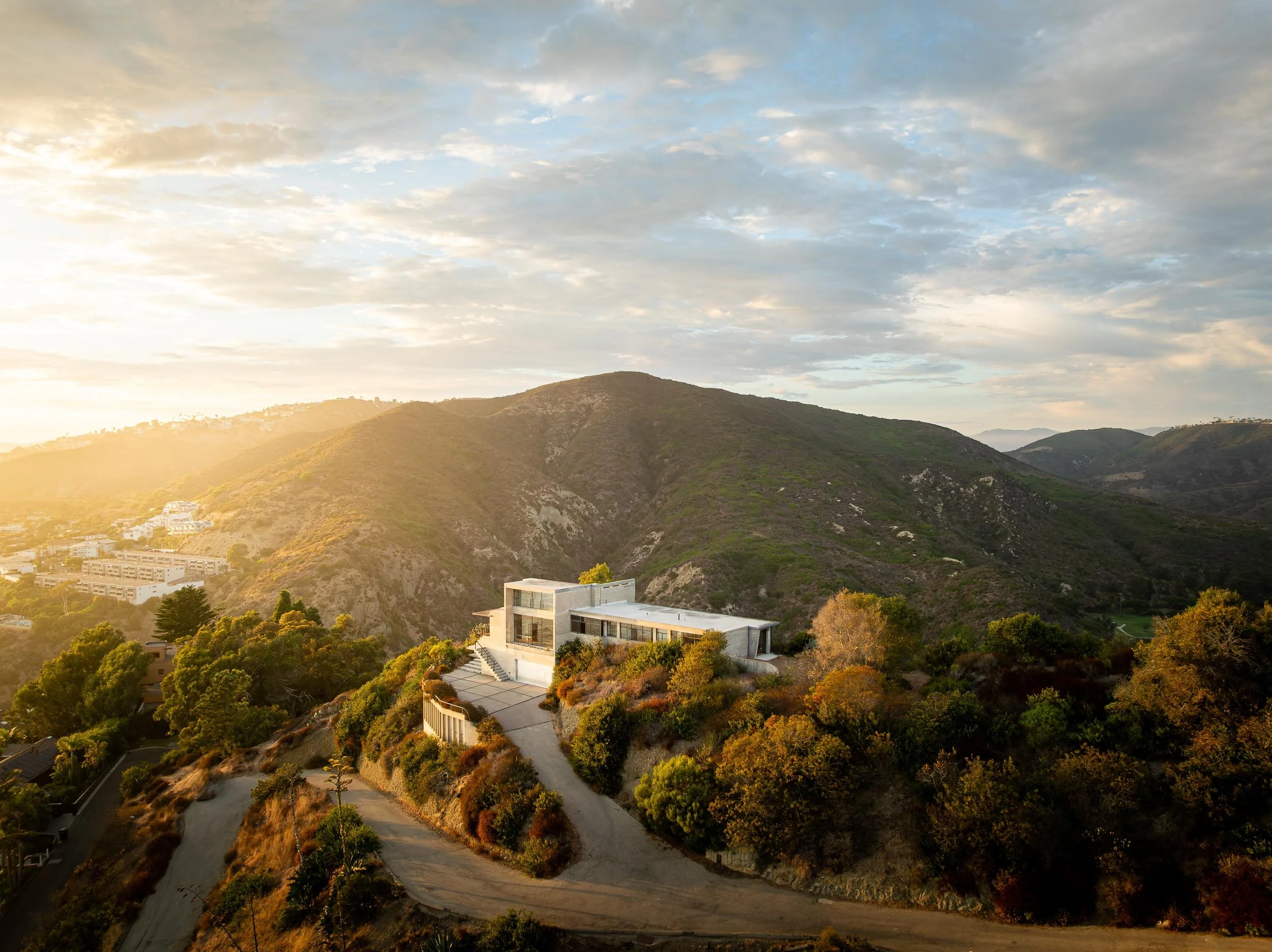
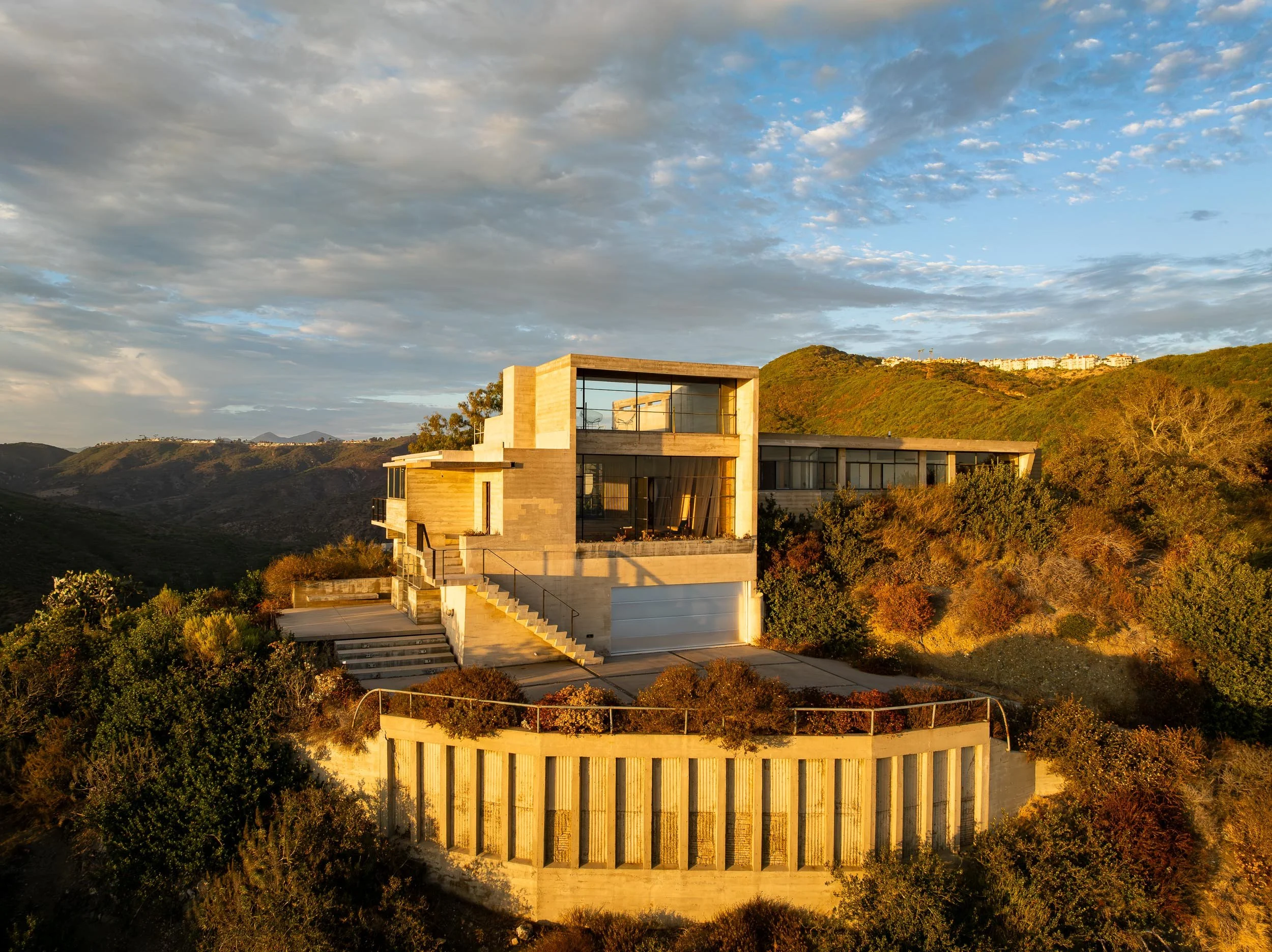
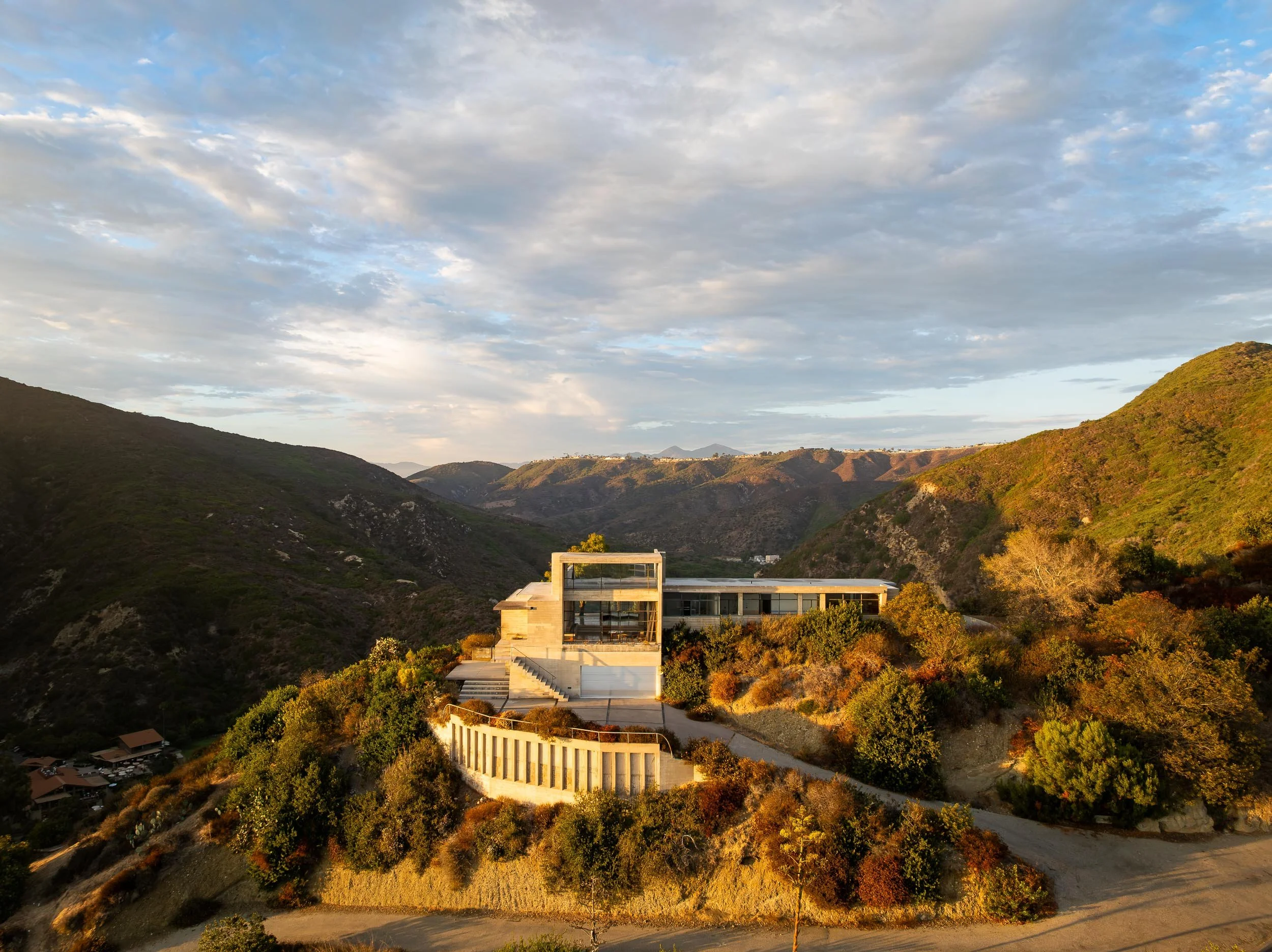
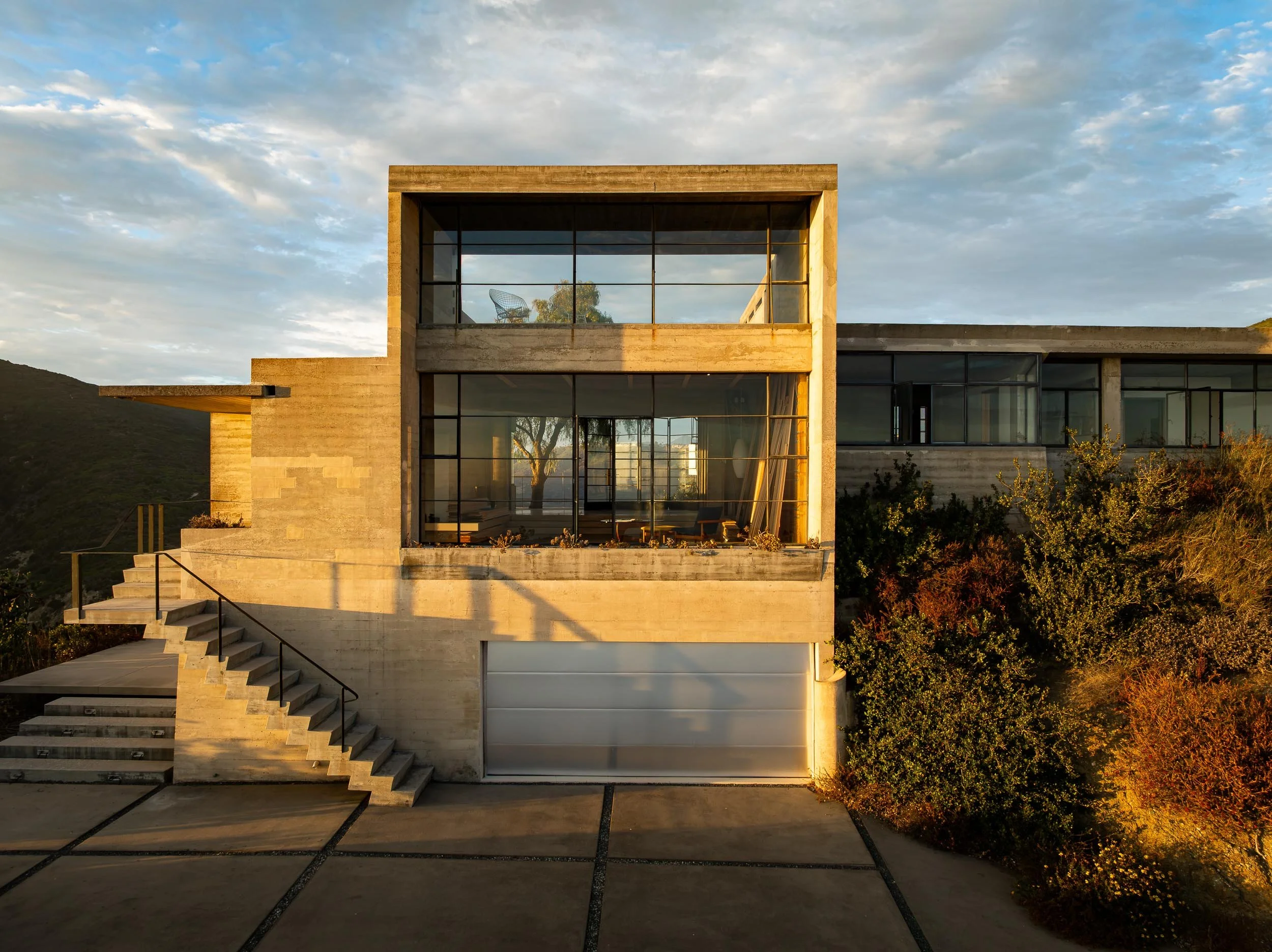
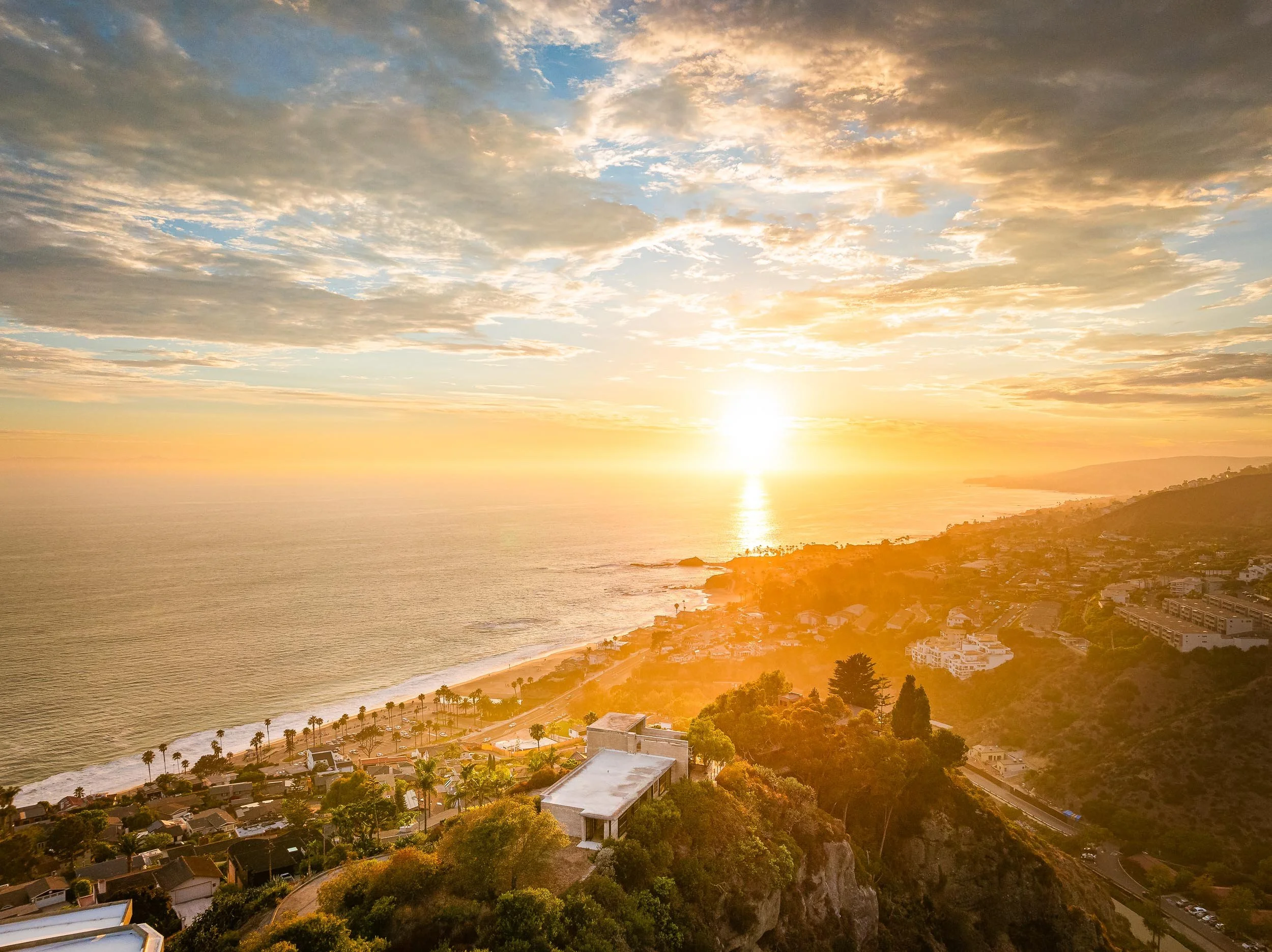
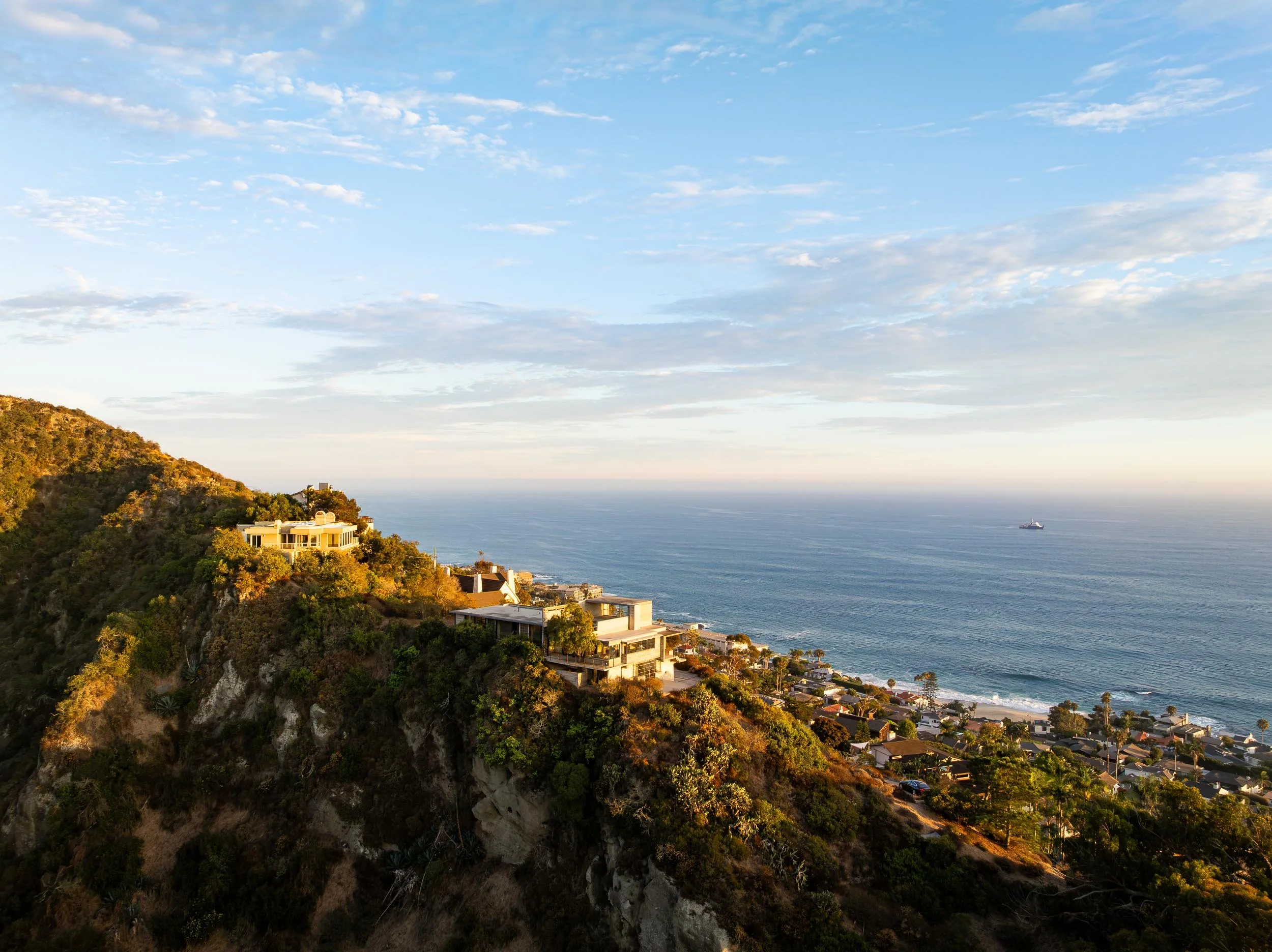
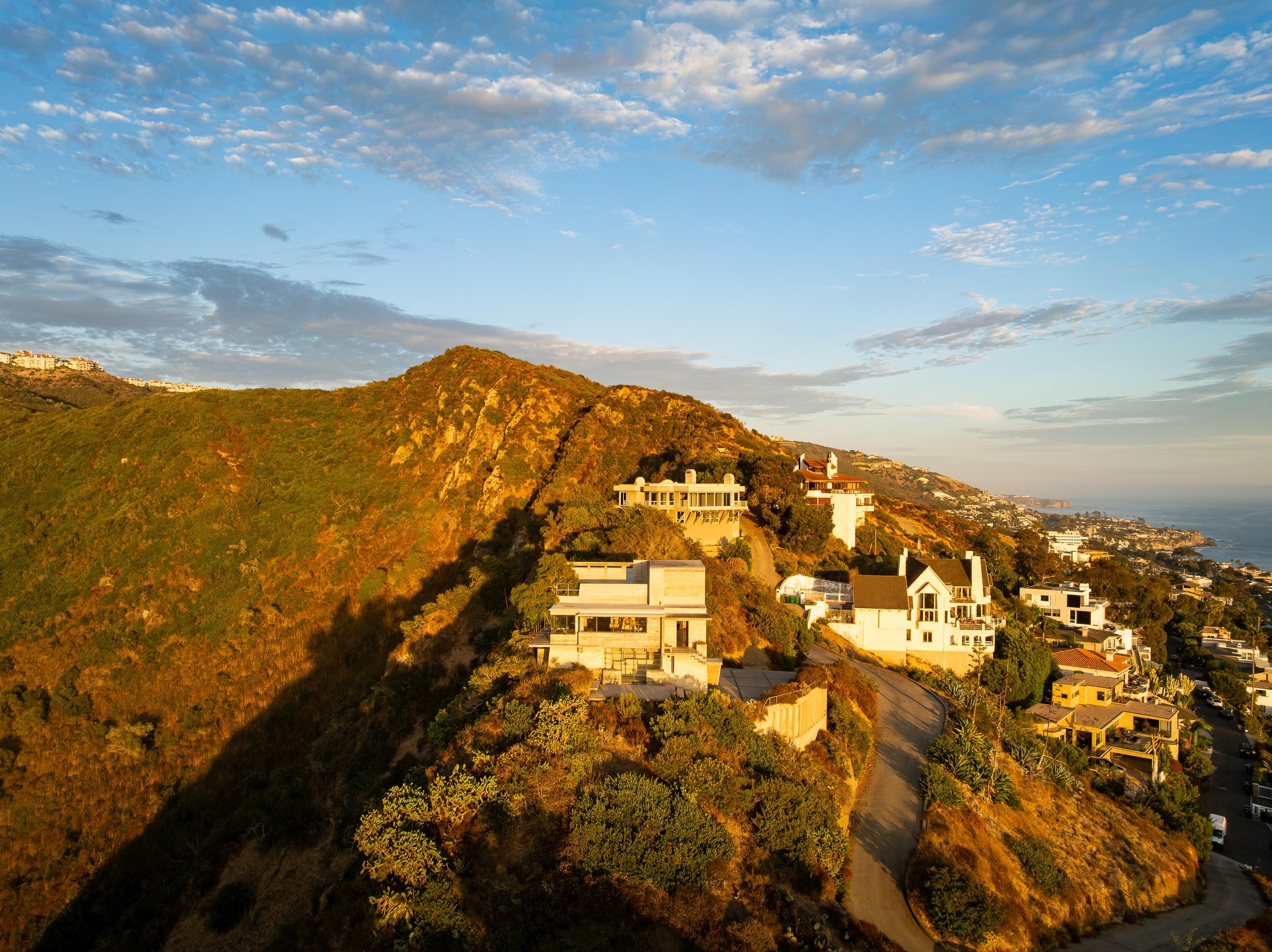
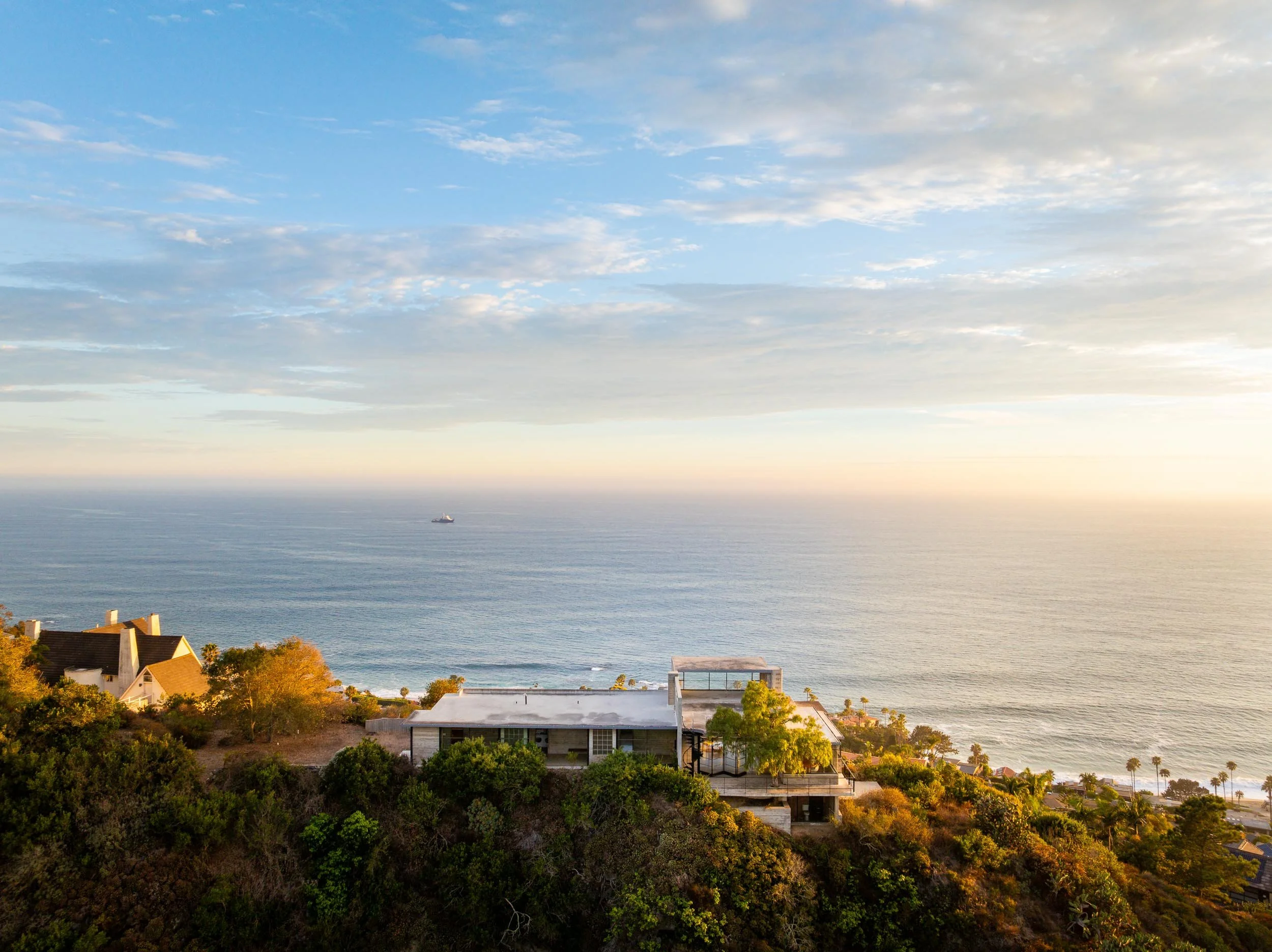
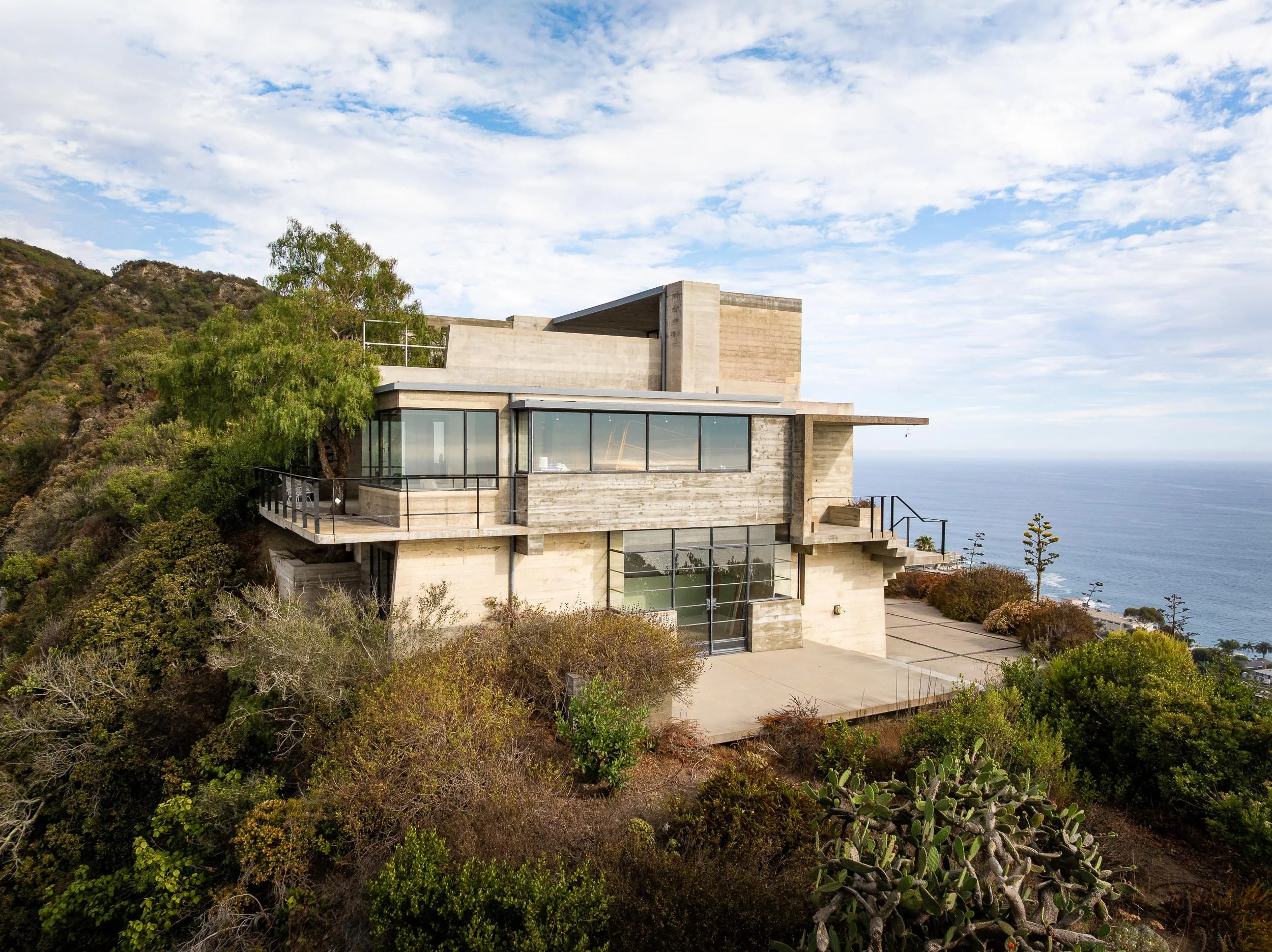
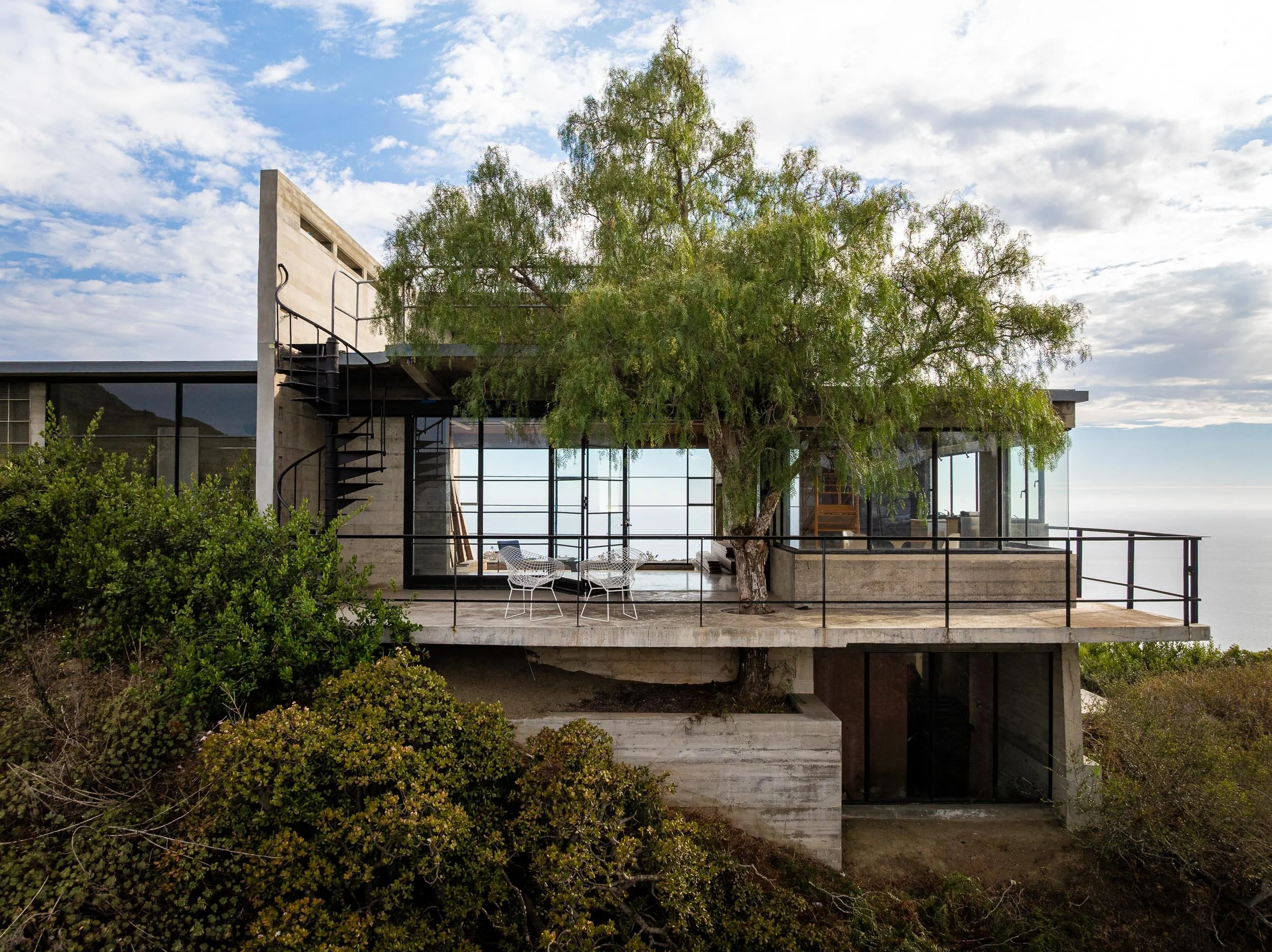
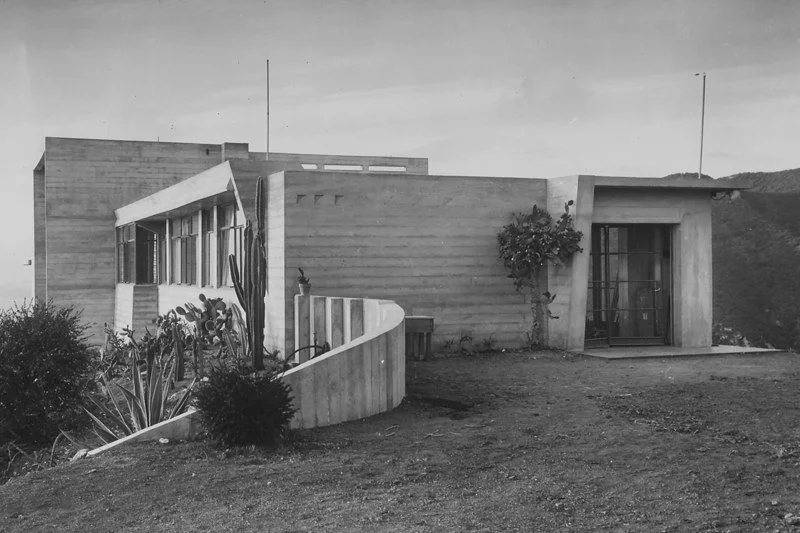
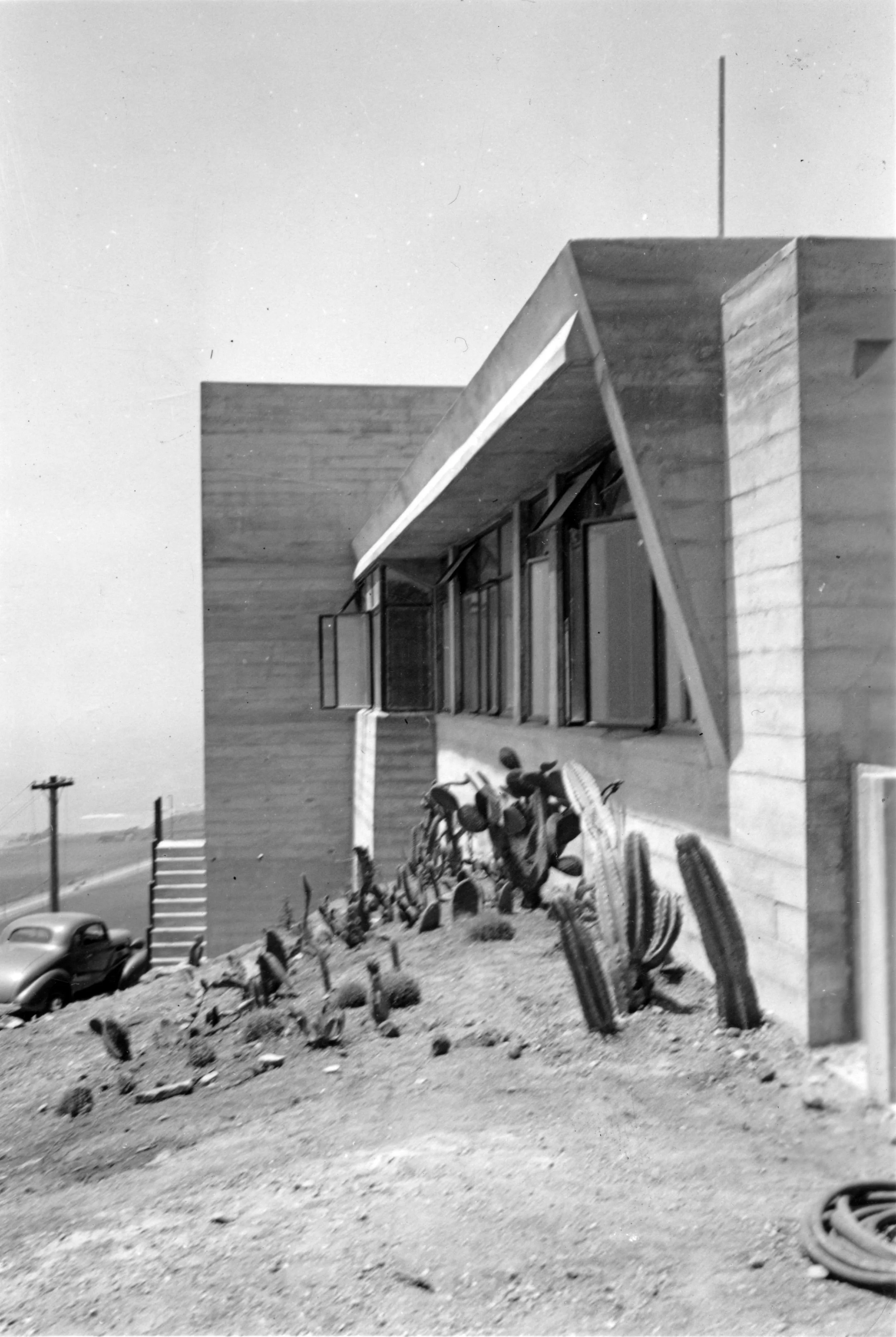
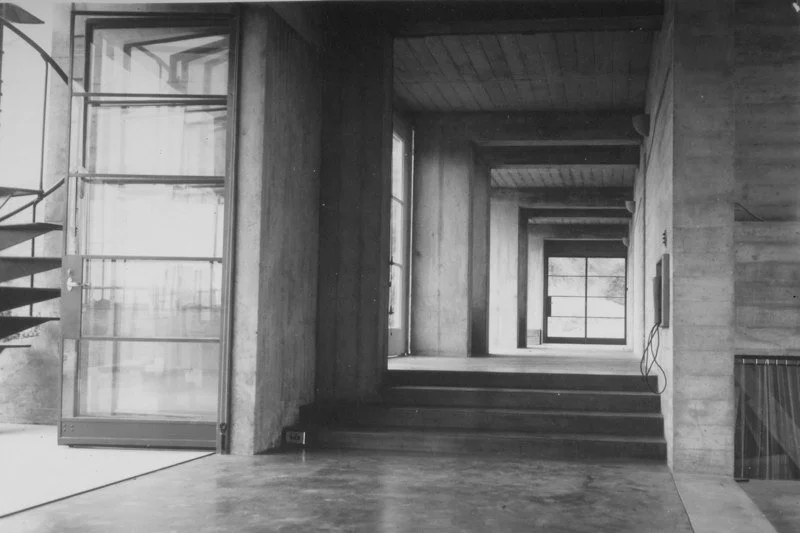
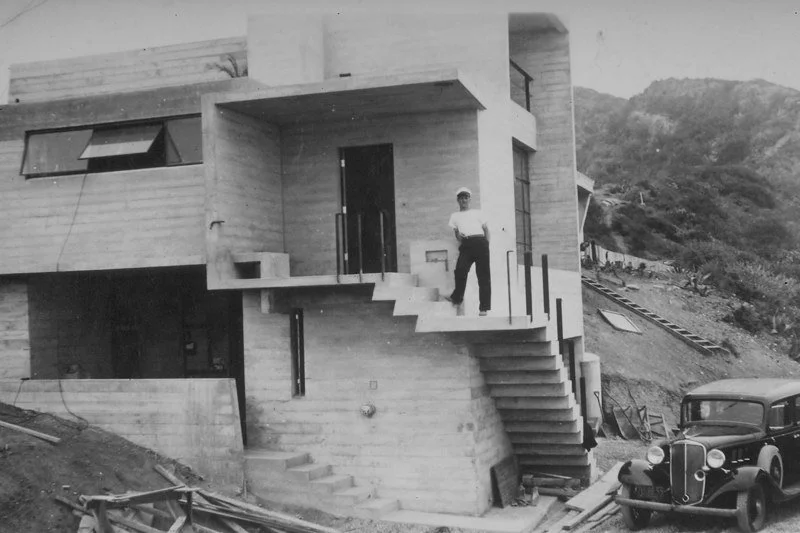
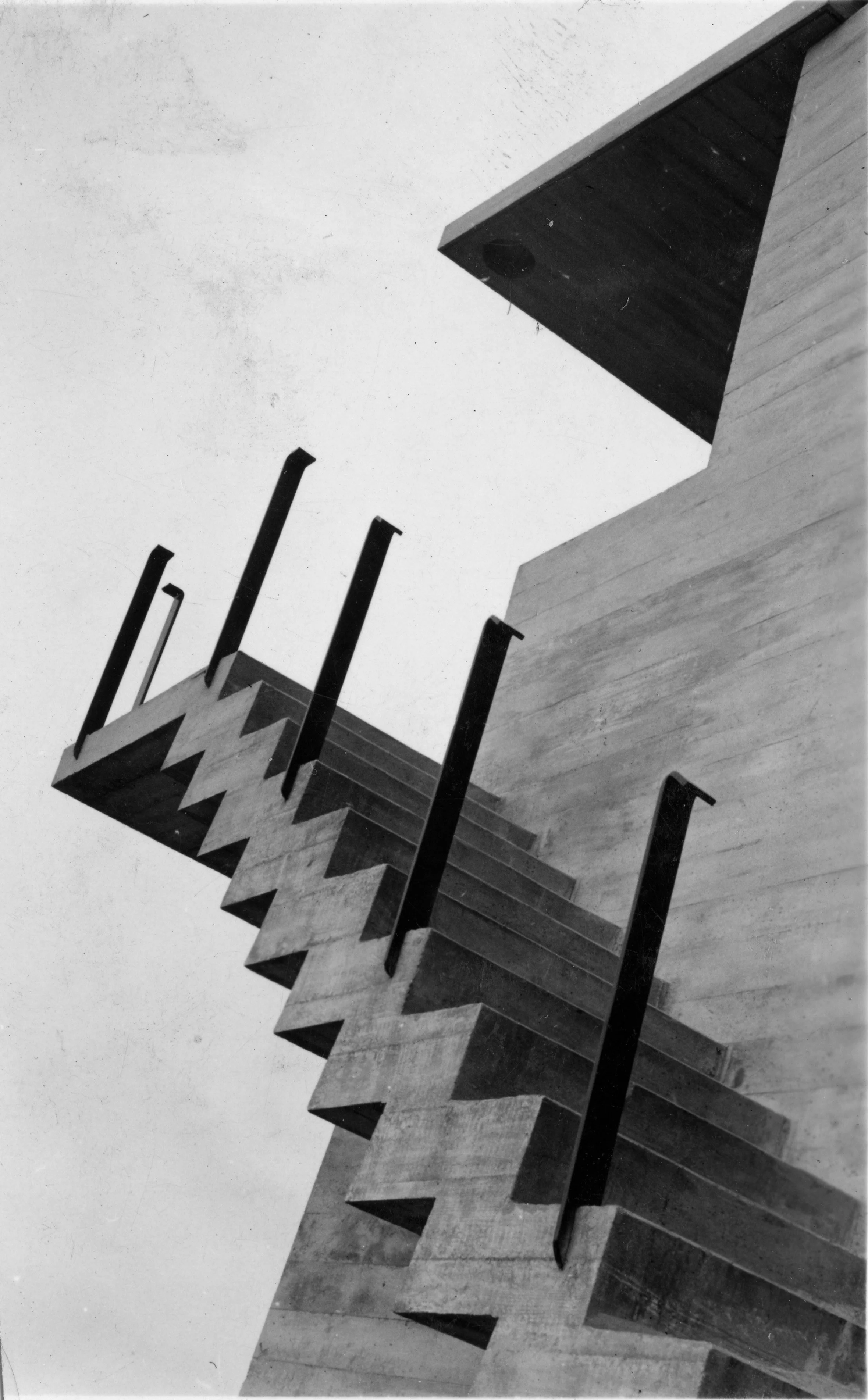
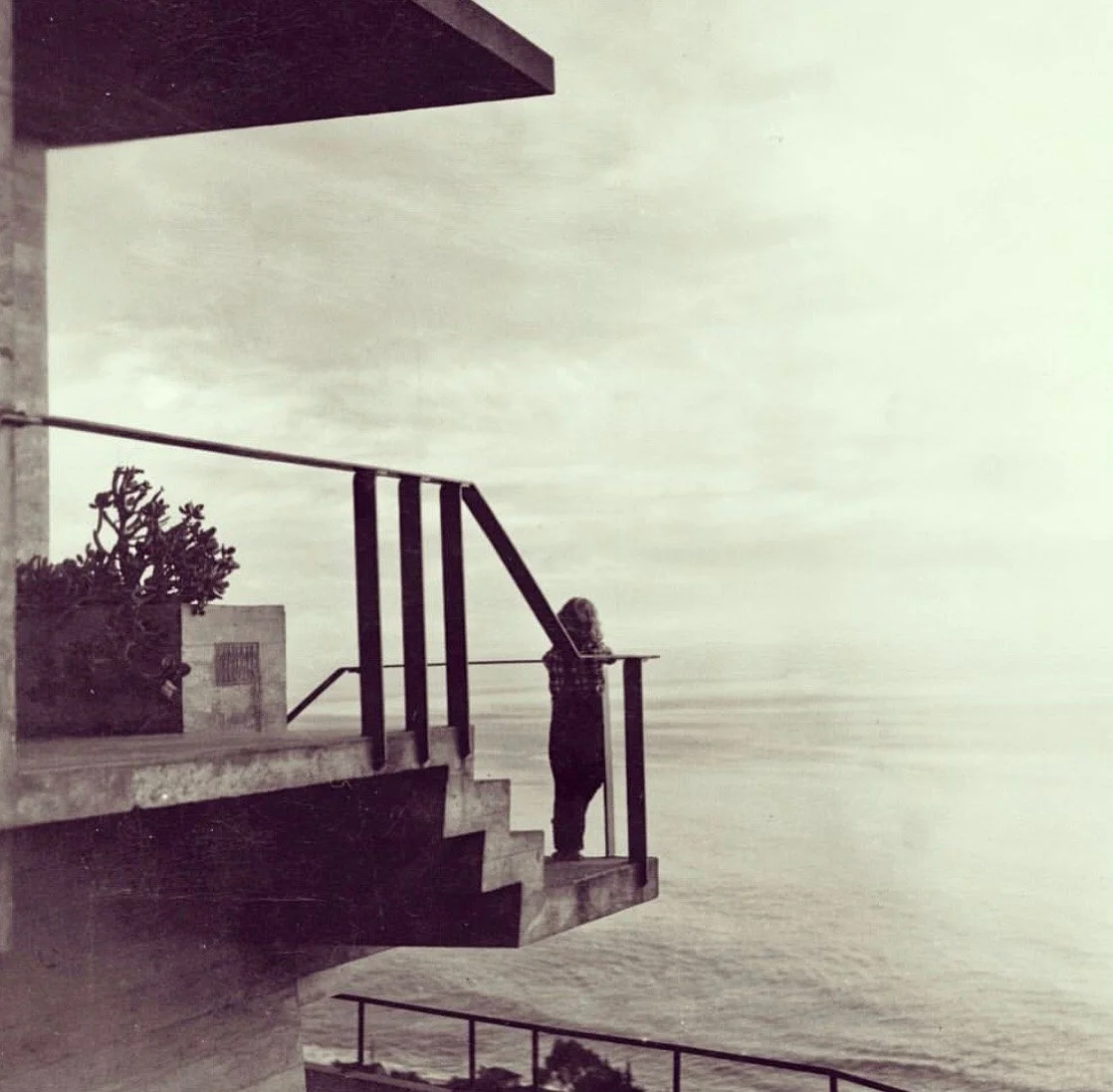
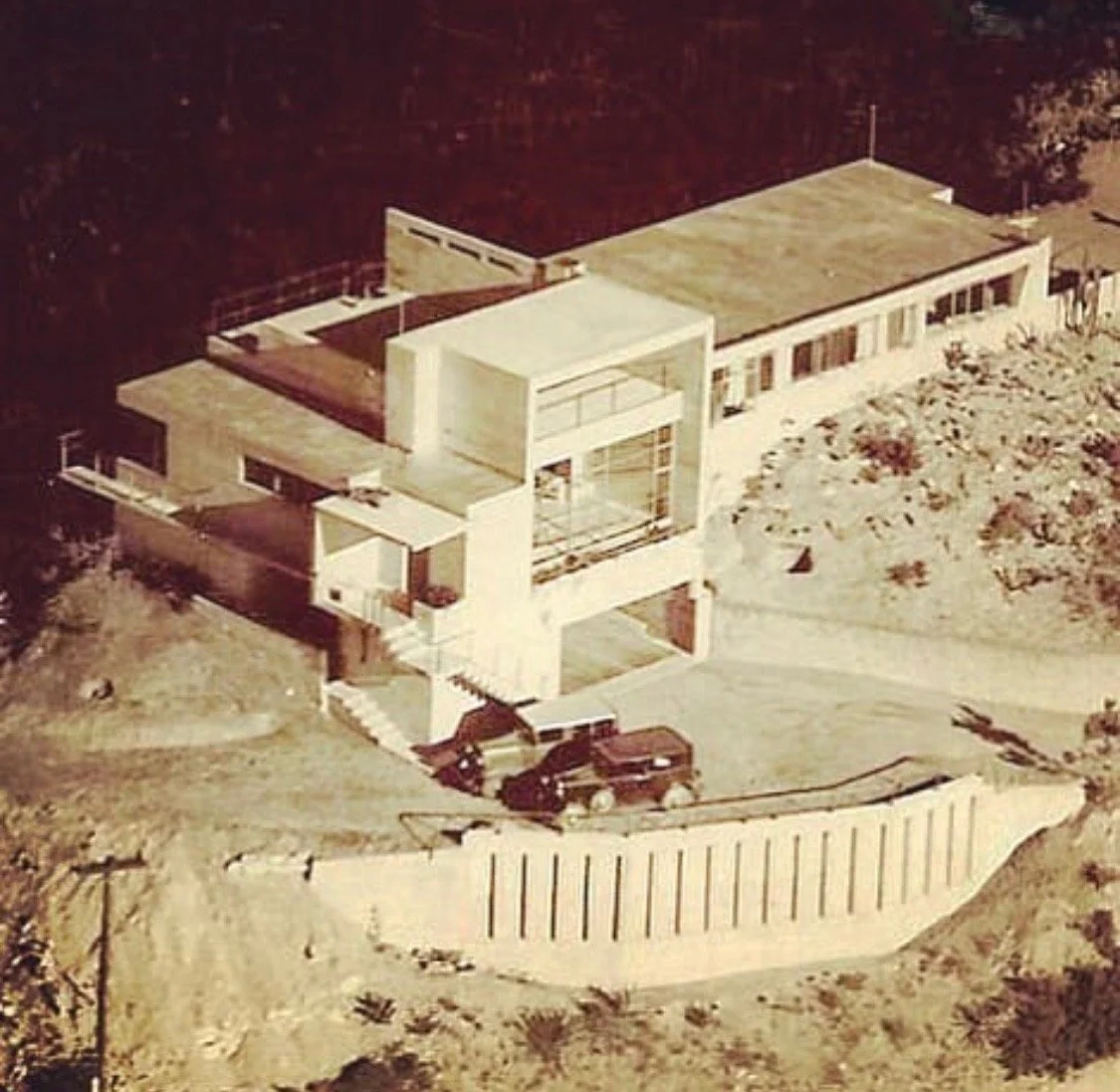
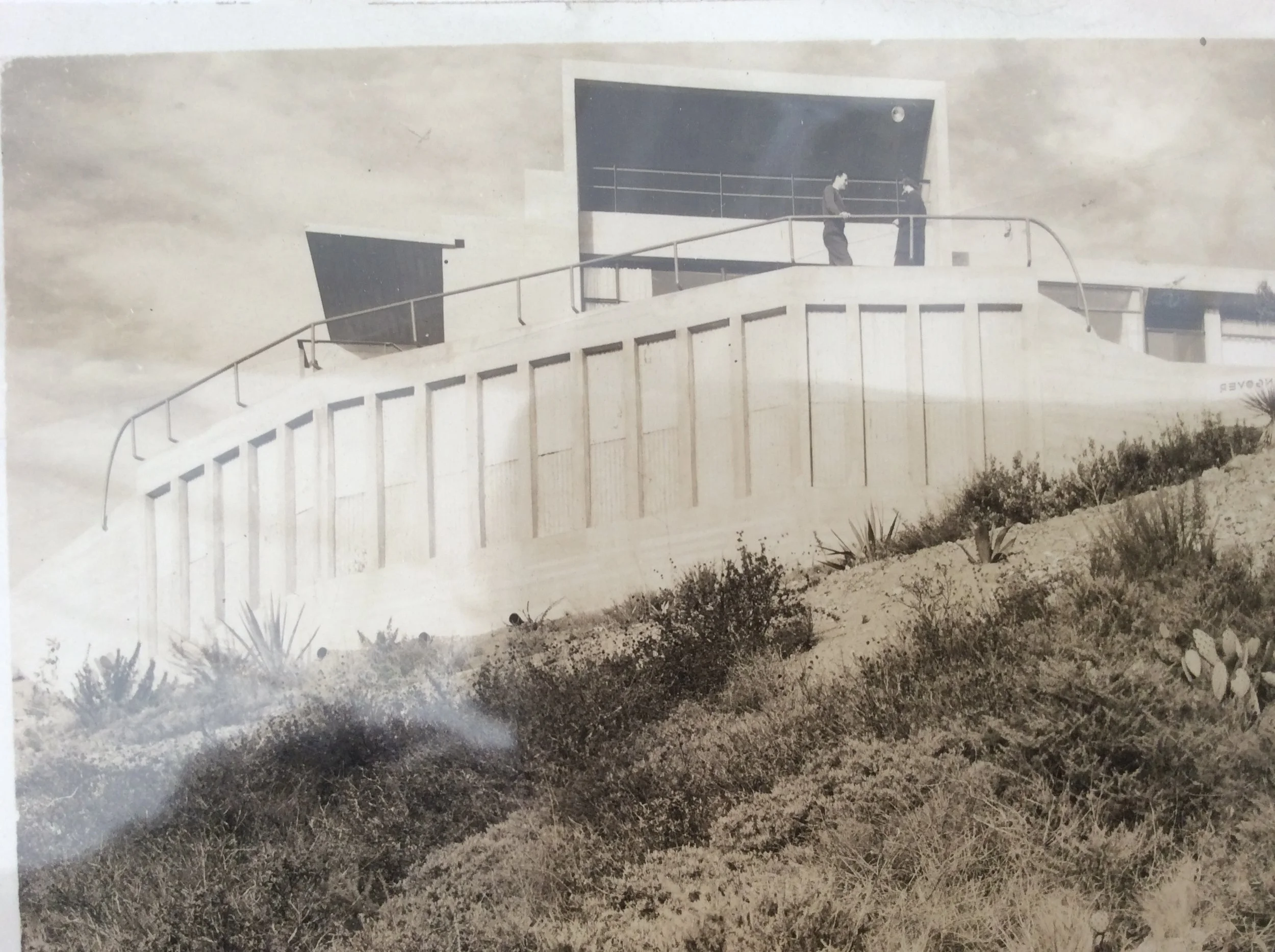
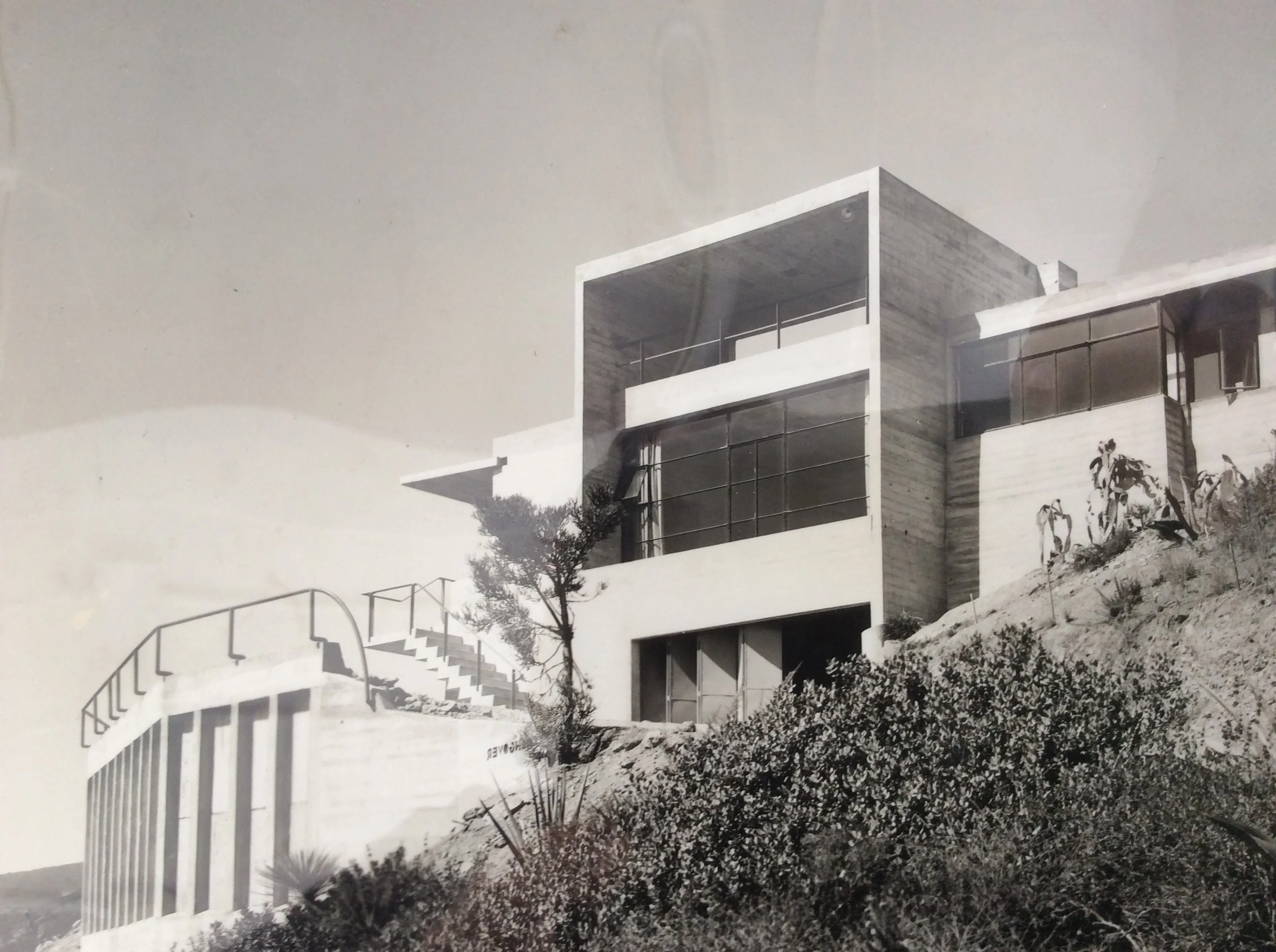
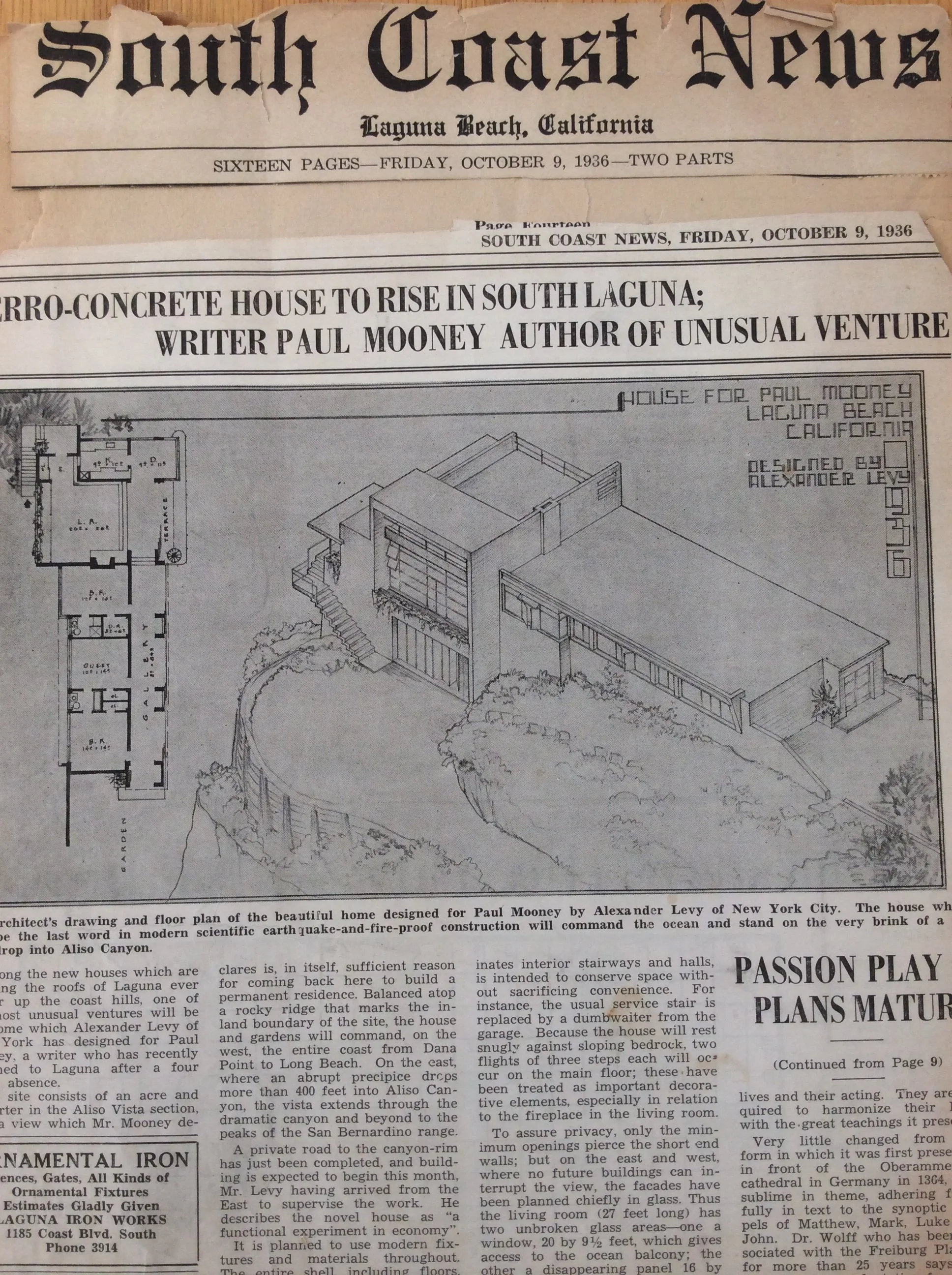
The Hangover | Richard Halliburton House, designed by architect William Levy Alexander, circa 1937, is a very rare example of early 20th-century modern architecture using concrete and steel.
Halliburton was an American travel writer and adventurer, who among many excursions, swam the Panama Canal, flew a biplane around the world, and crossed the Alps on an elephant. He disappeared in March 1939 at the age of 39 while trying to sail a traditional Chinese wooden ship named the Sea Dragon across the Pacific Ocean from Hong Kong to San Francisco.
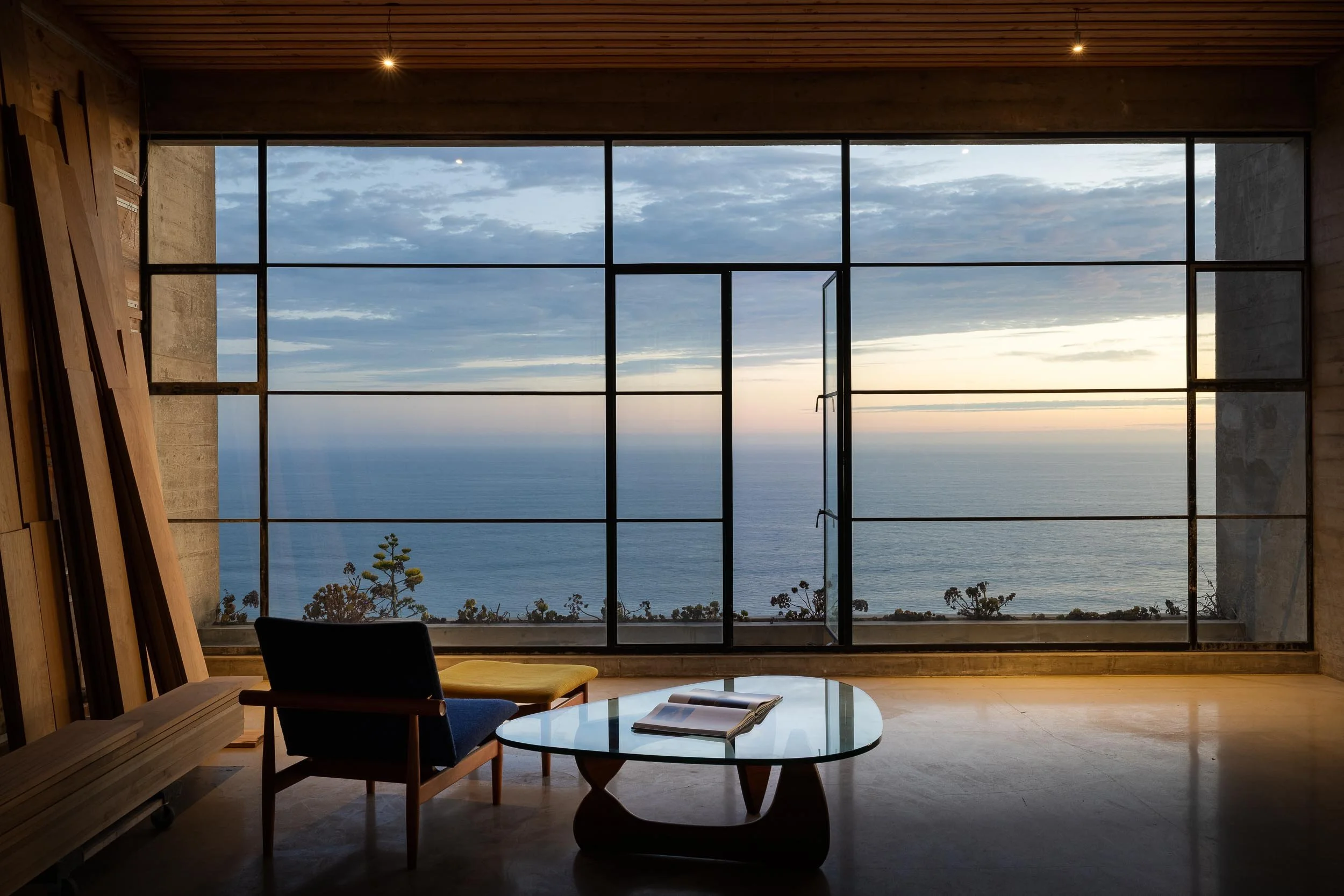
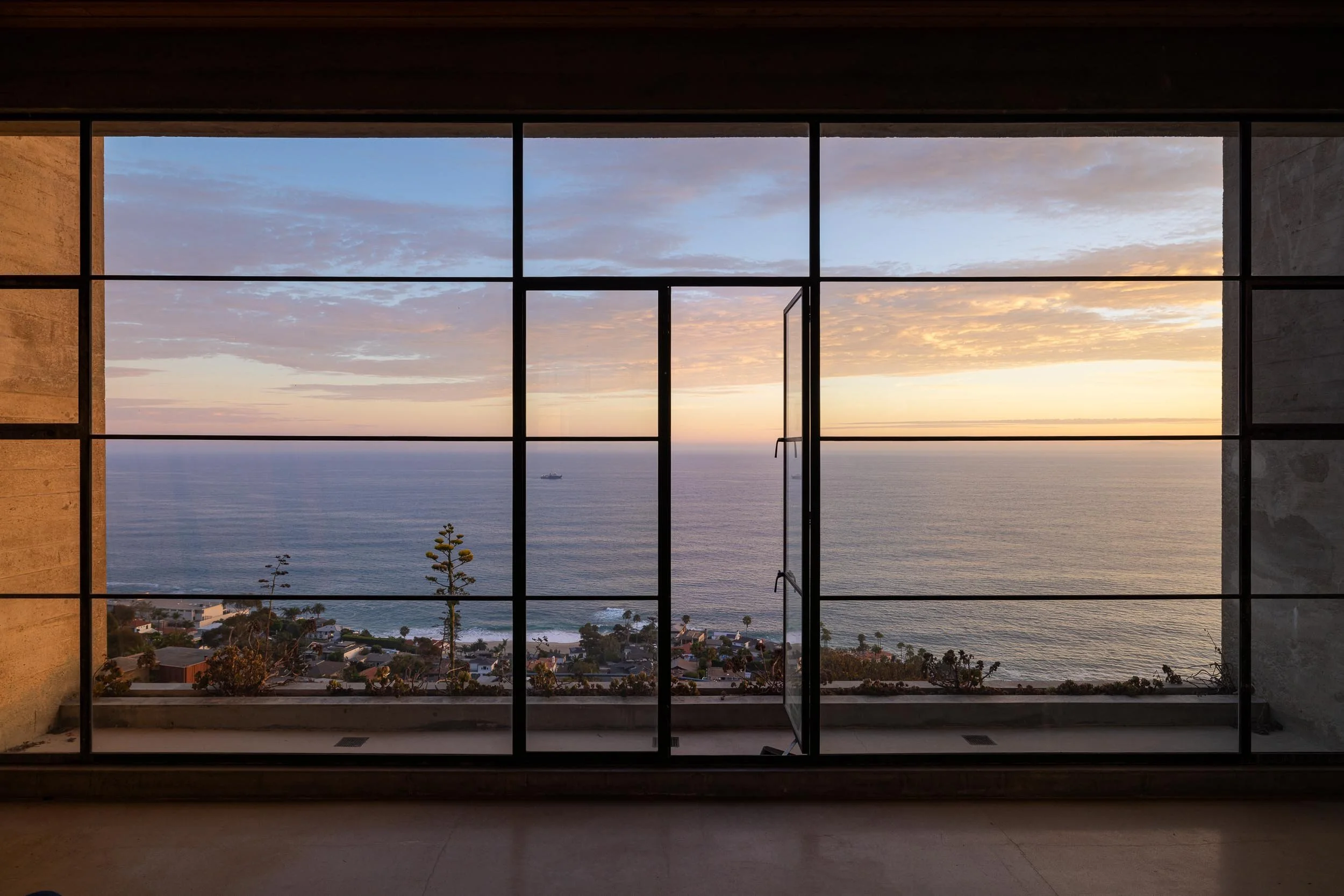
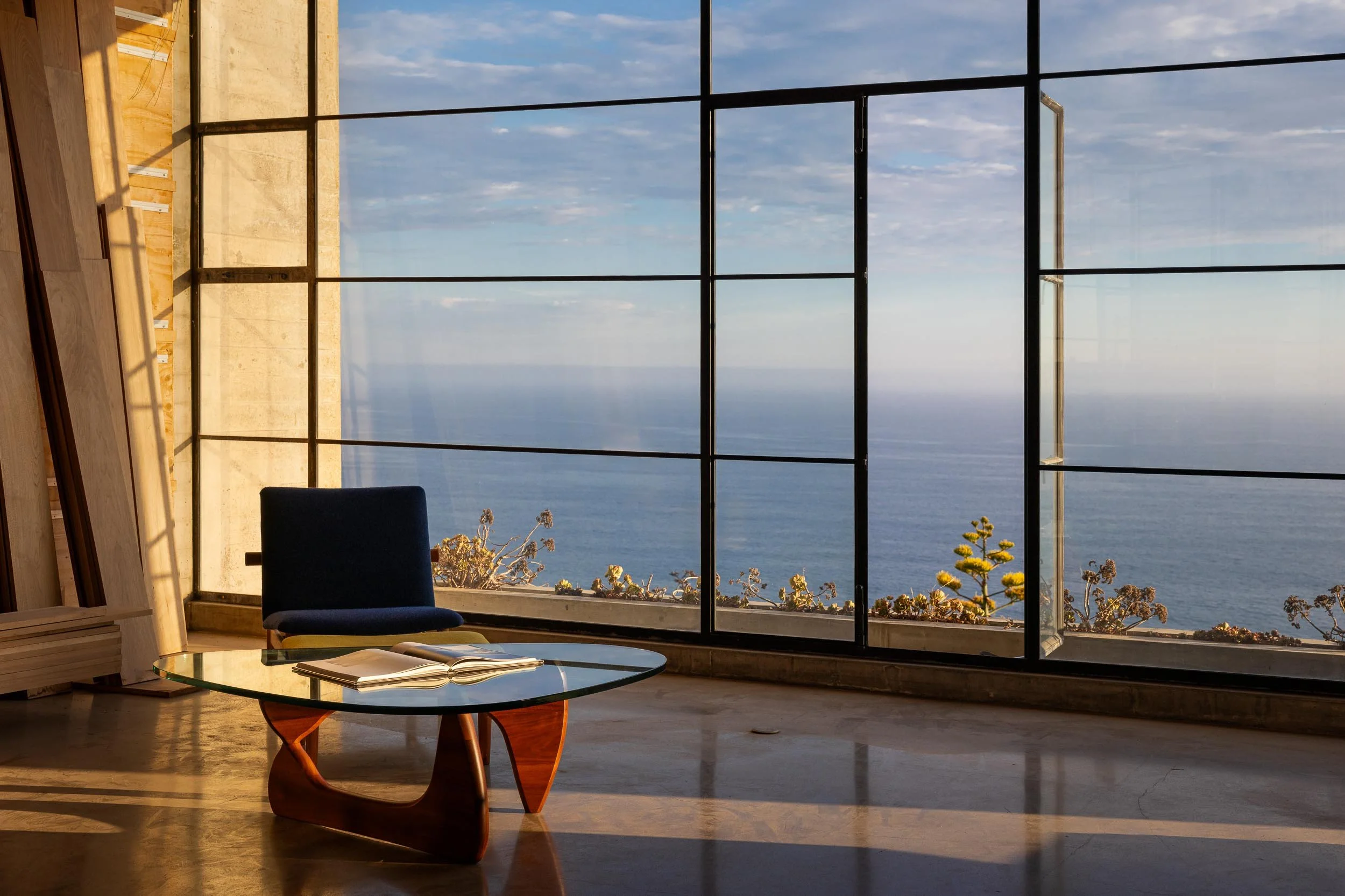
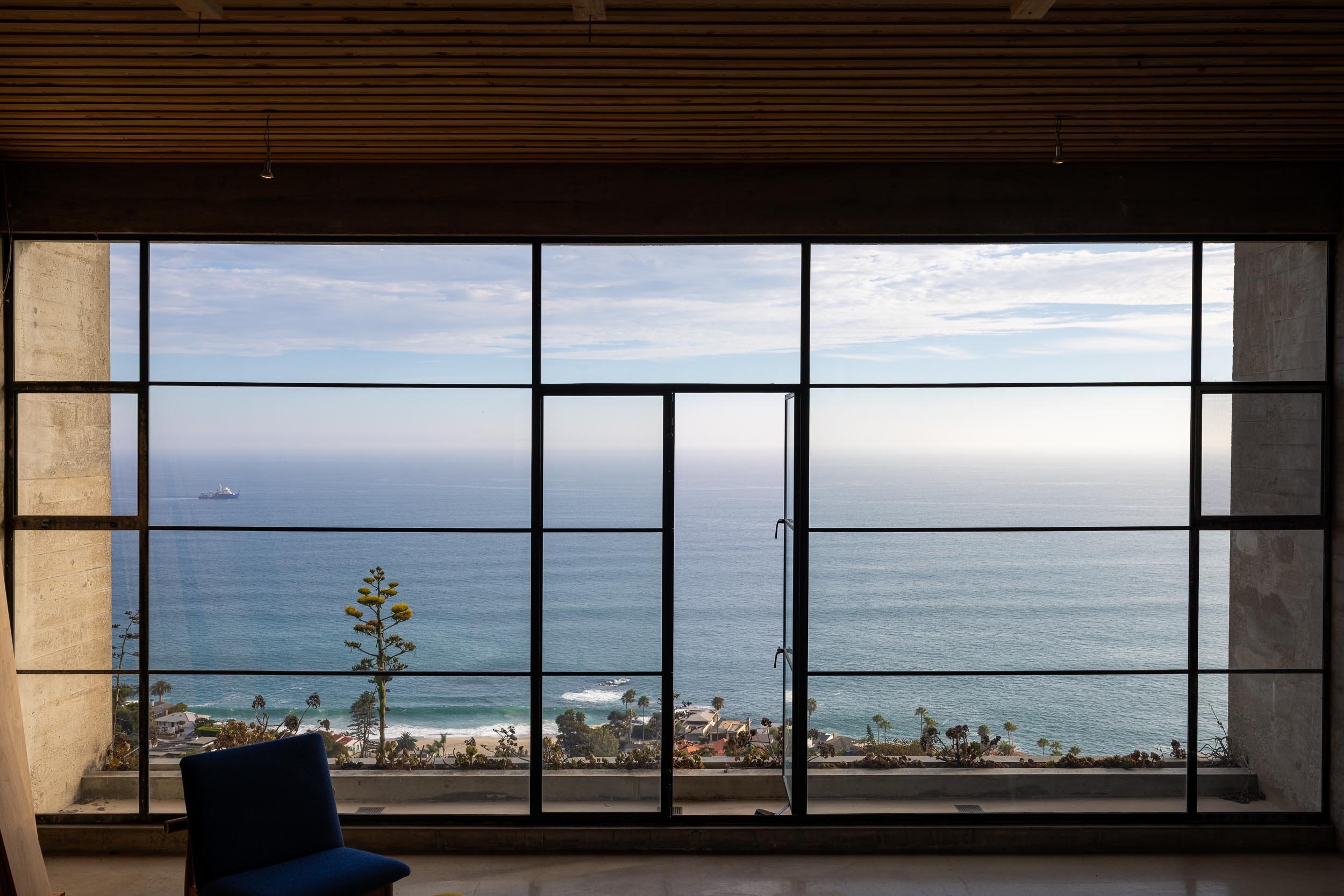
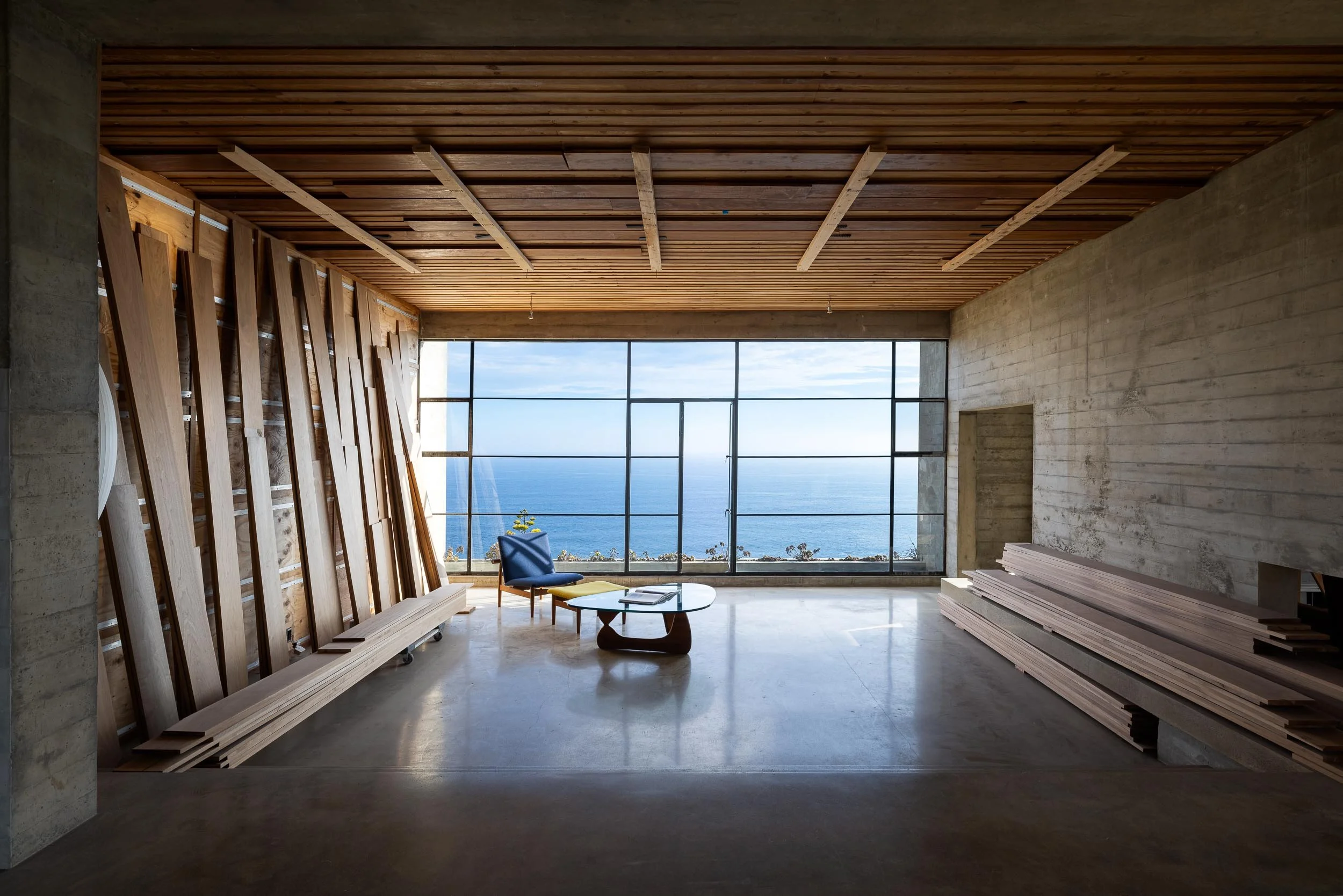
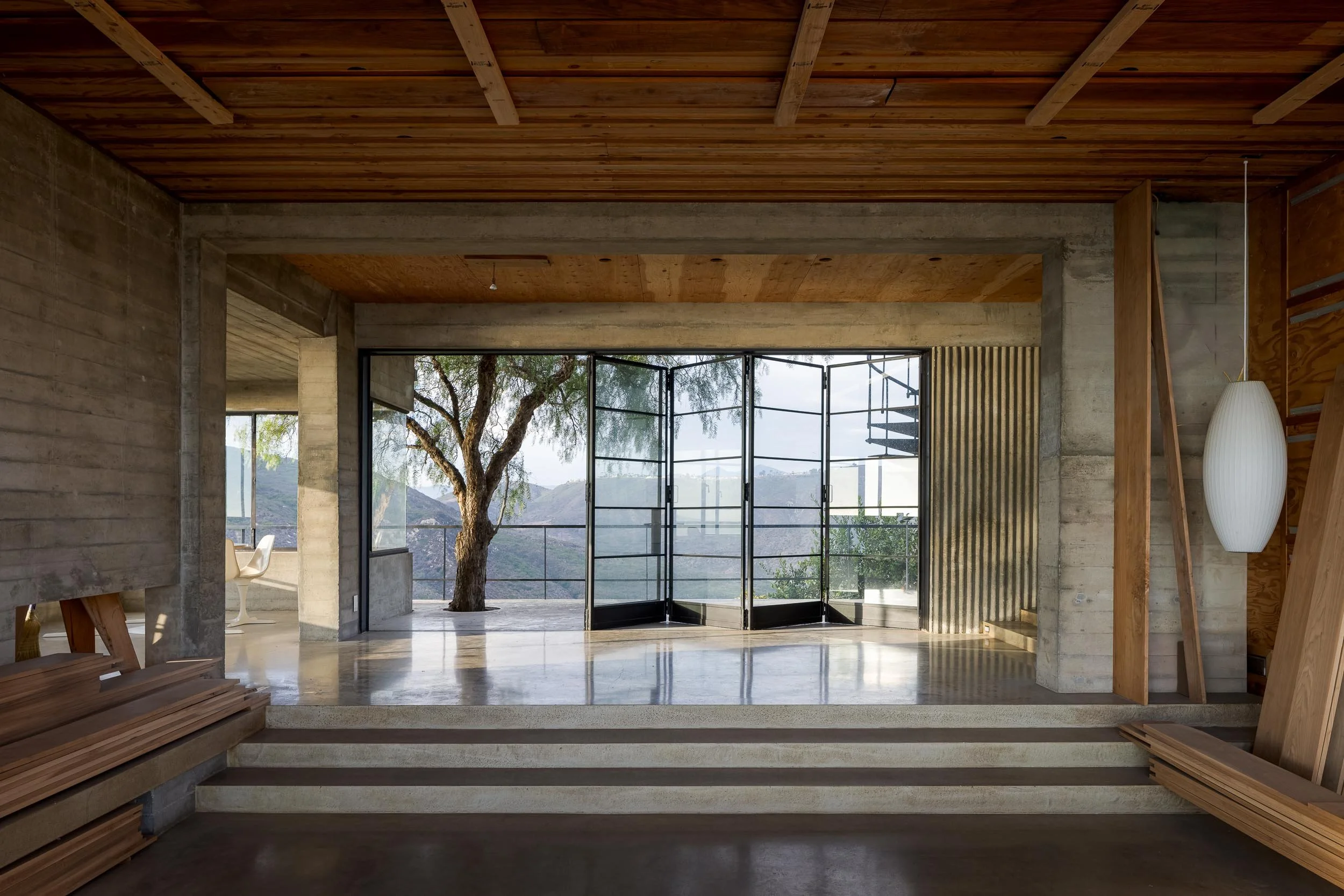
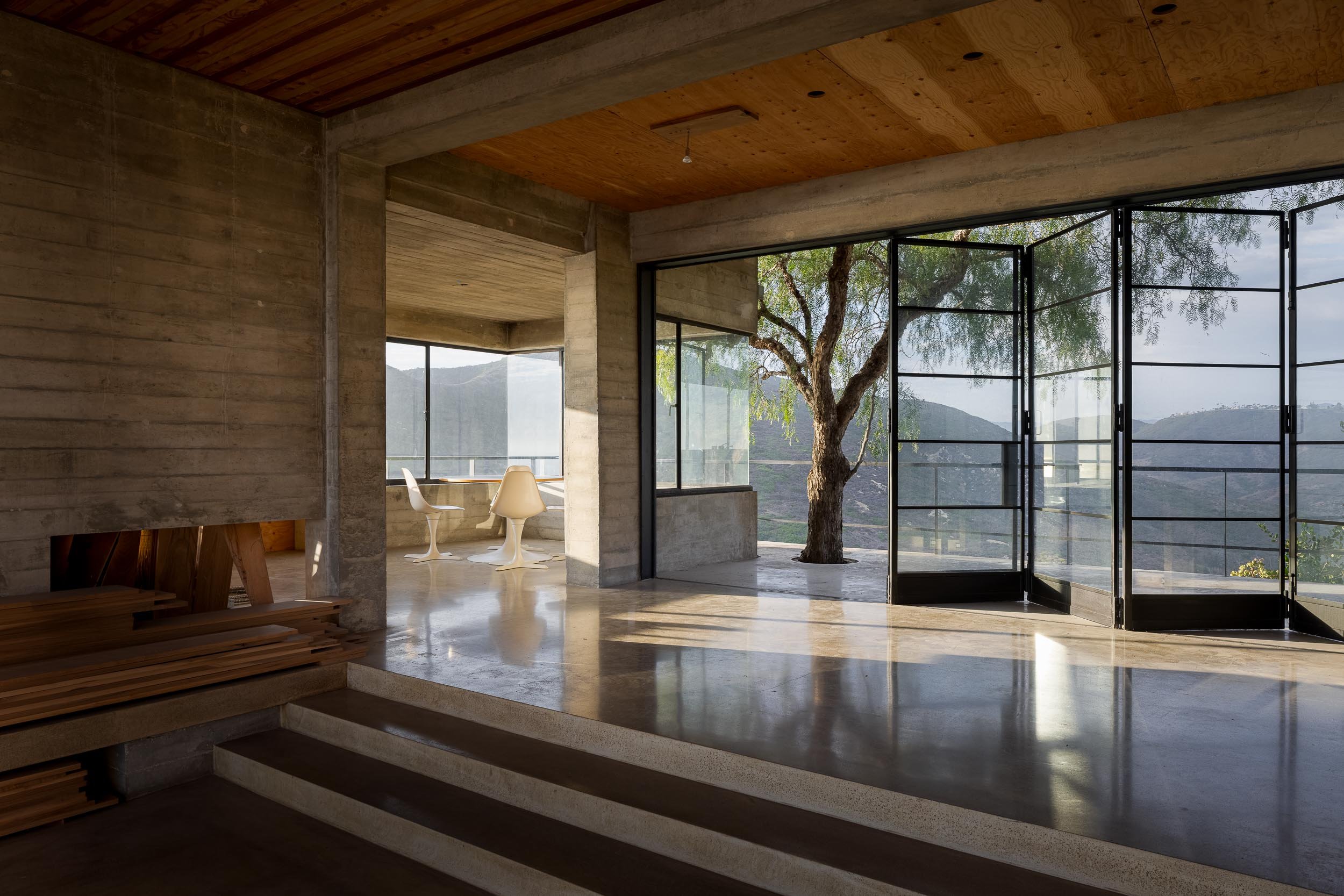
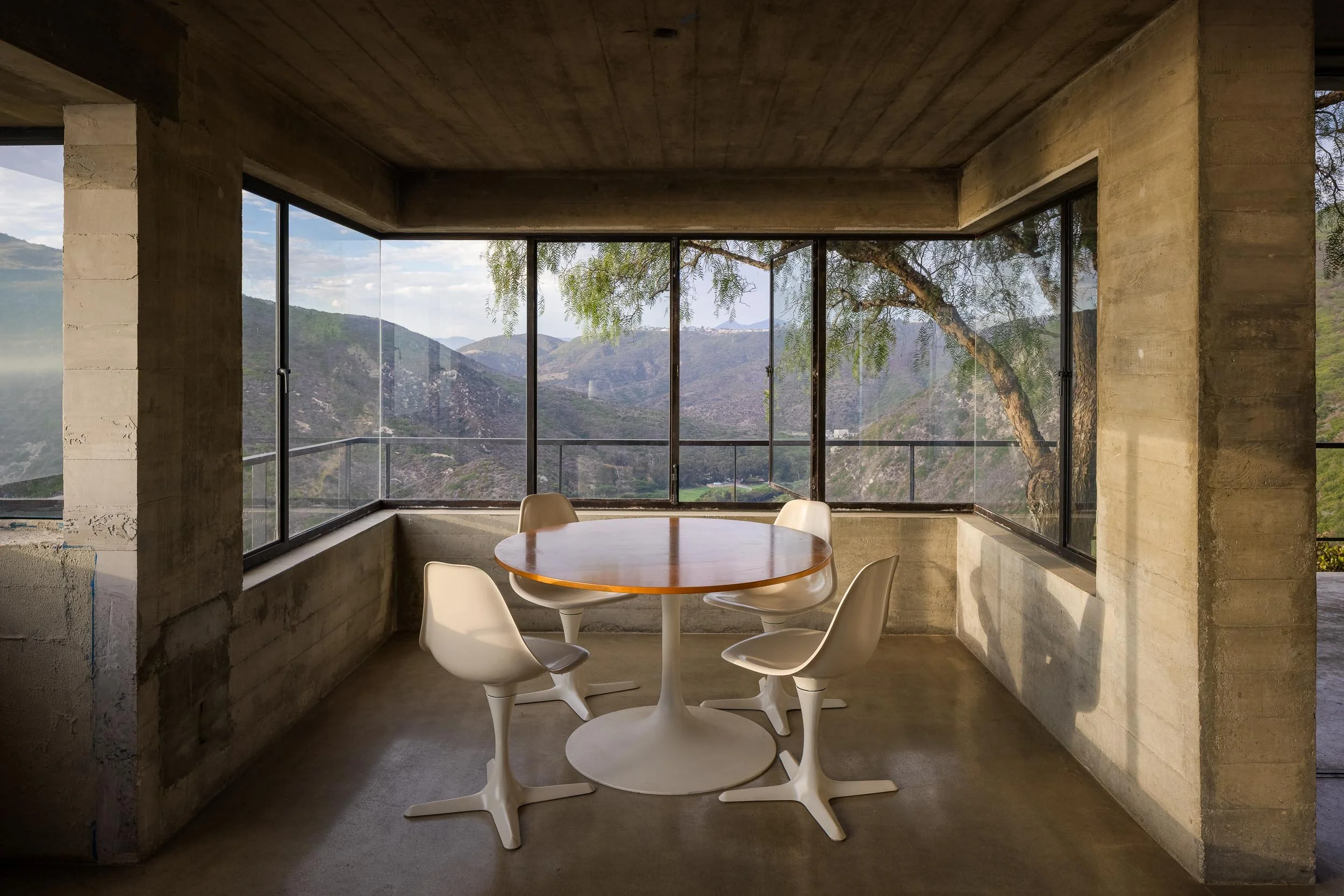
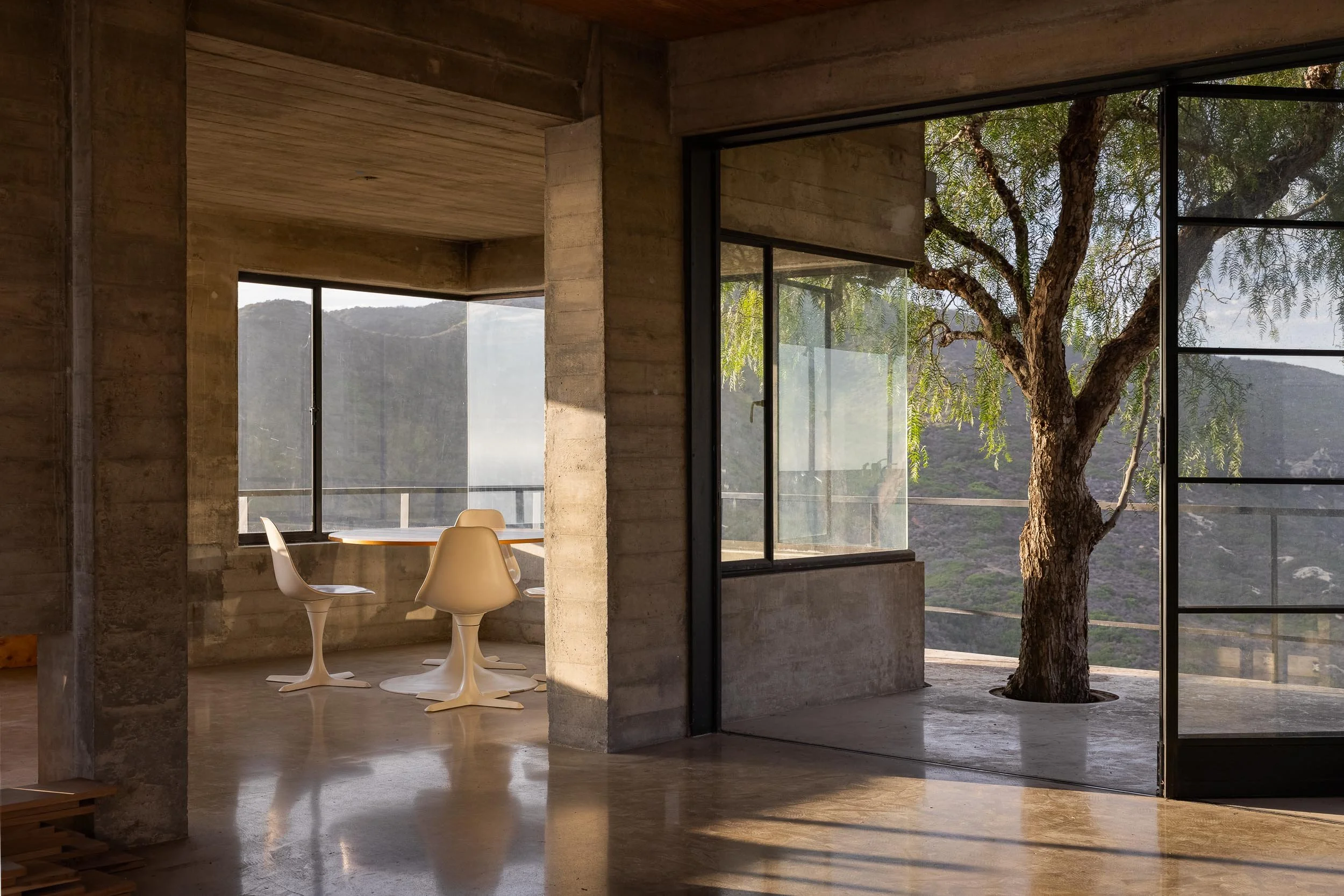
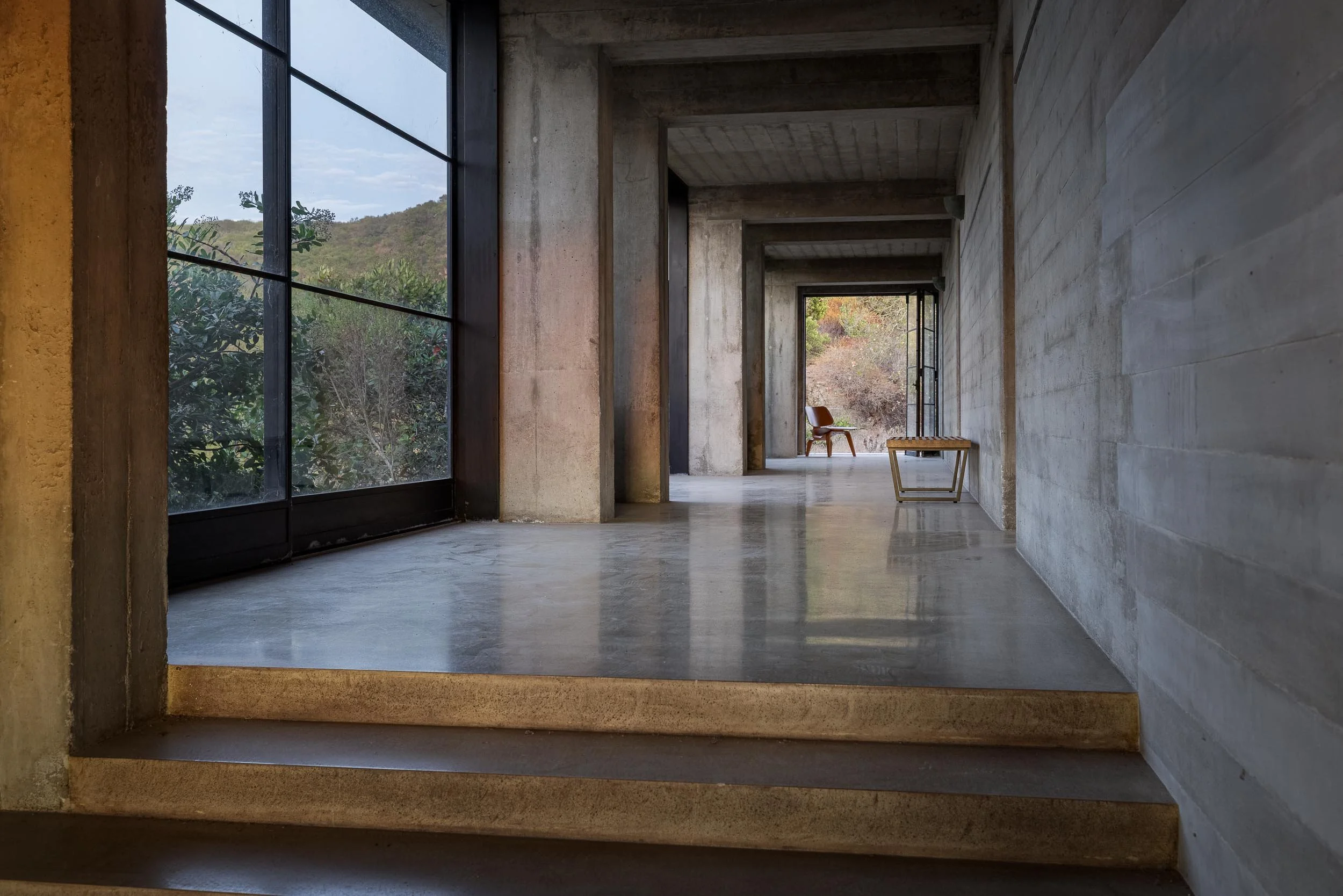
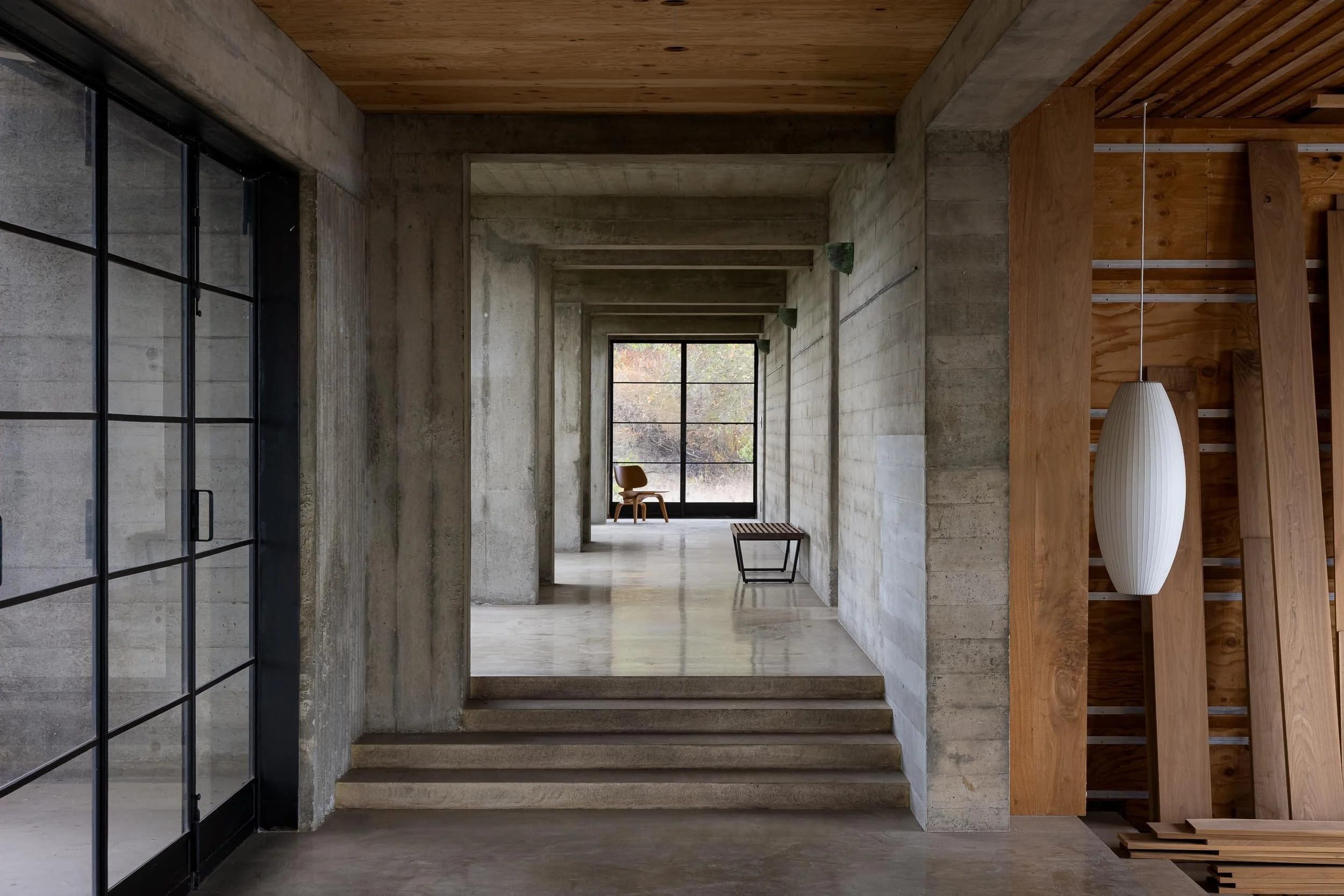
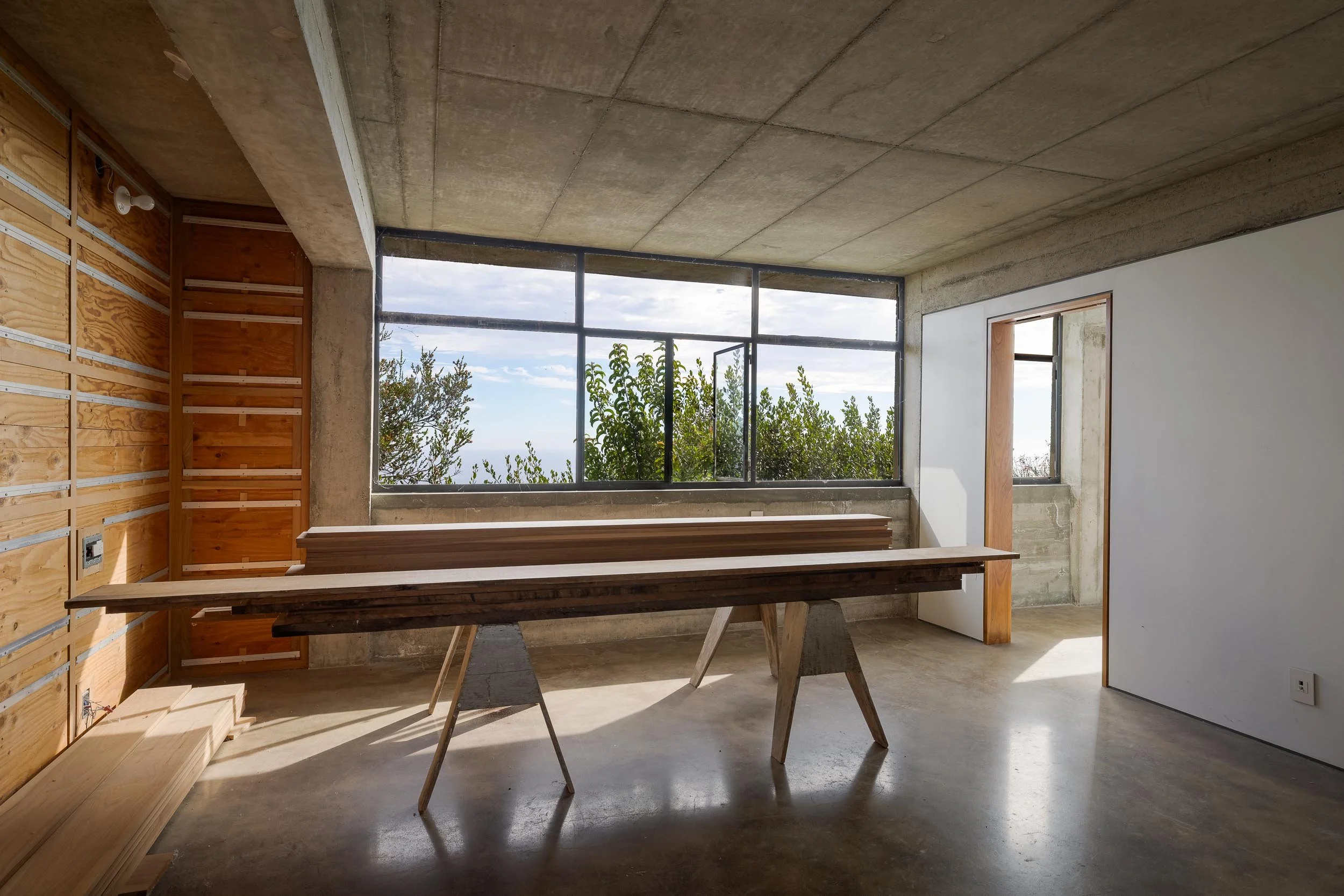
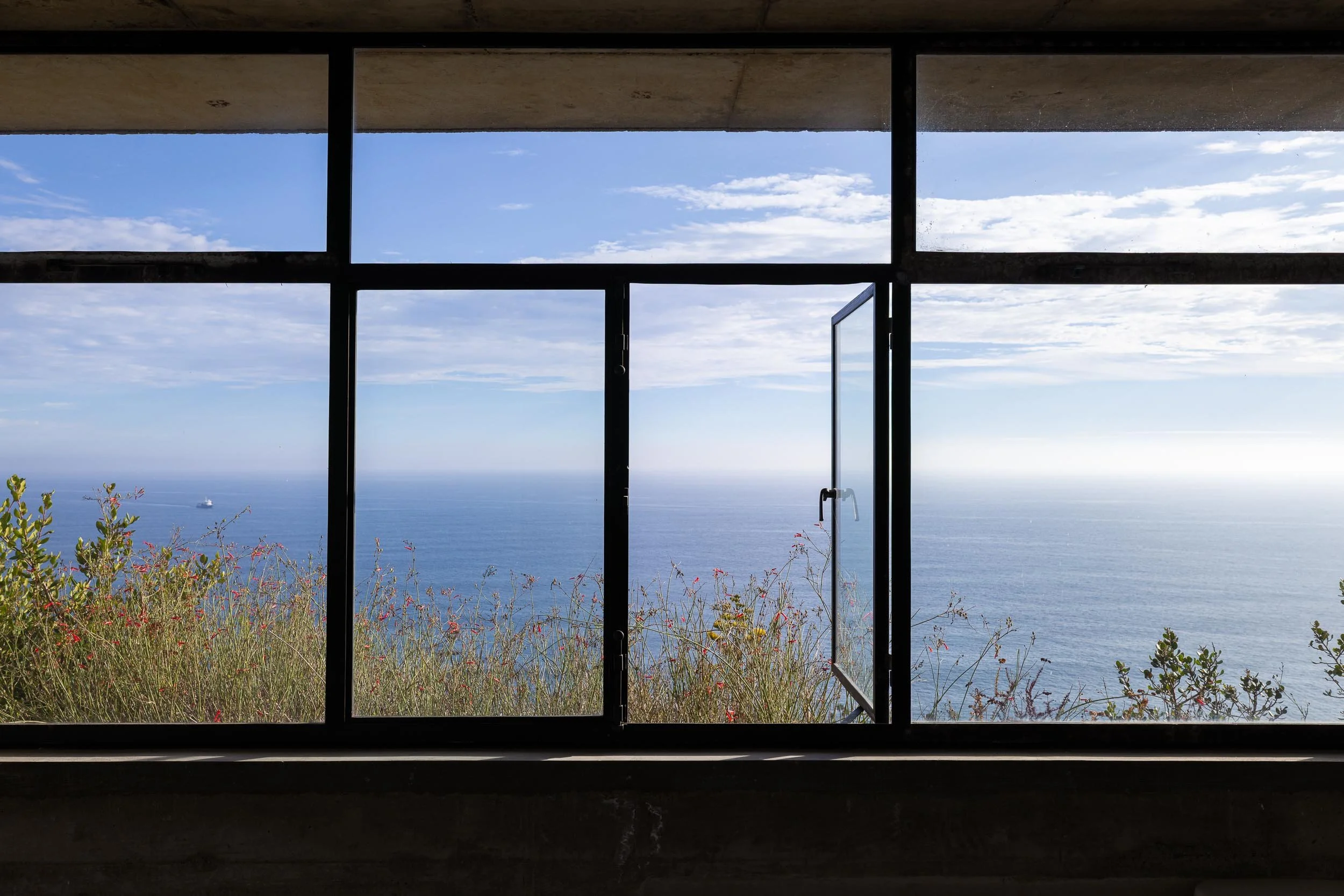
The home was originally built as a residence for Halliburton, American freelance journalist and photojournalist Paul Mooney, and architect Levy, who at the time was a recent graduate of the New York University School of Architecture. Writer Ayn Rand, visited the house in 1937 while still an unknown writer, and is believed to have based the ‘Heller House’ in the book, The Fountainhead (1943) upon Halliburton's house.
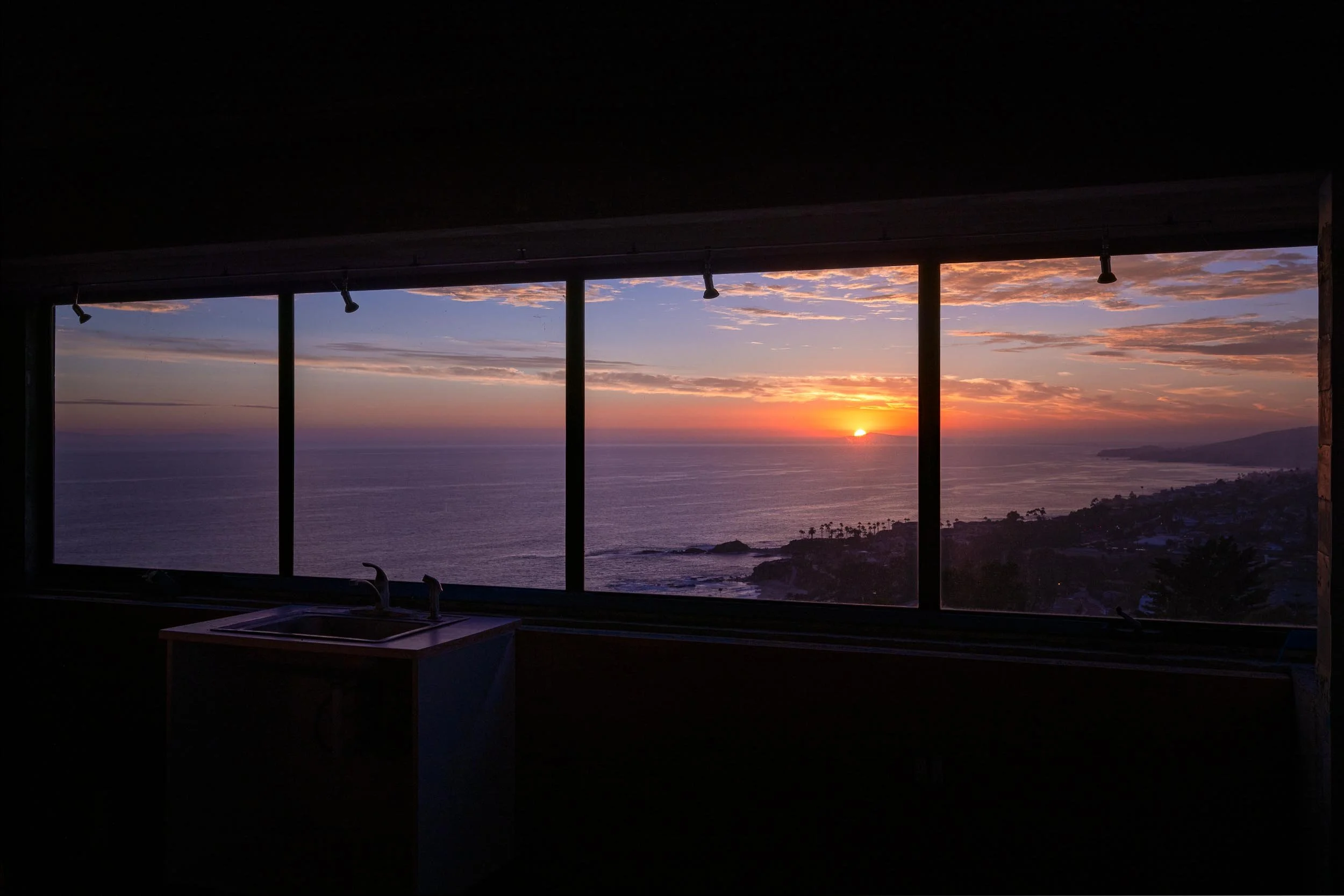
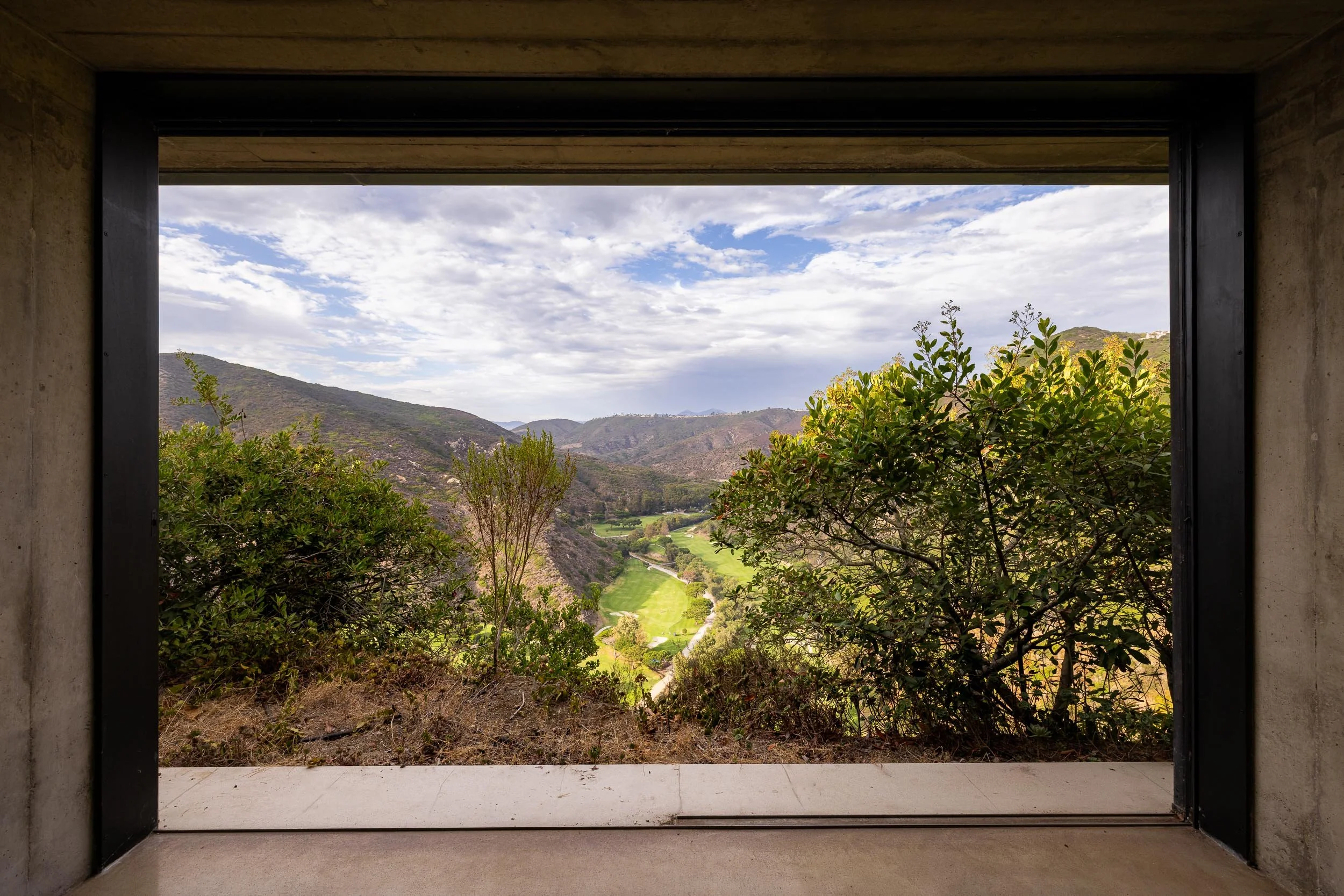
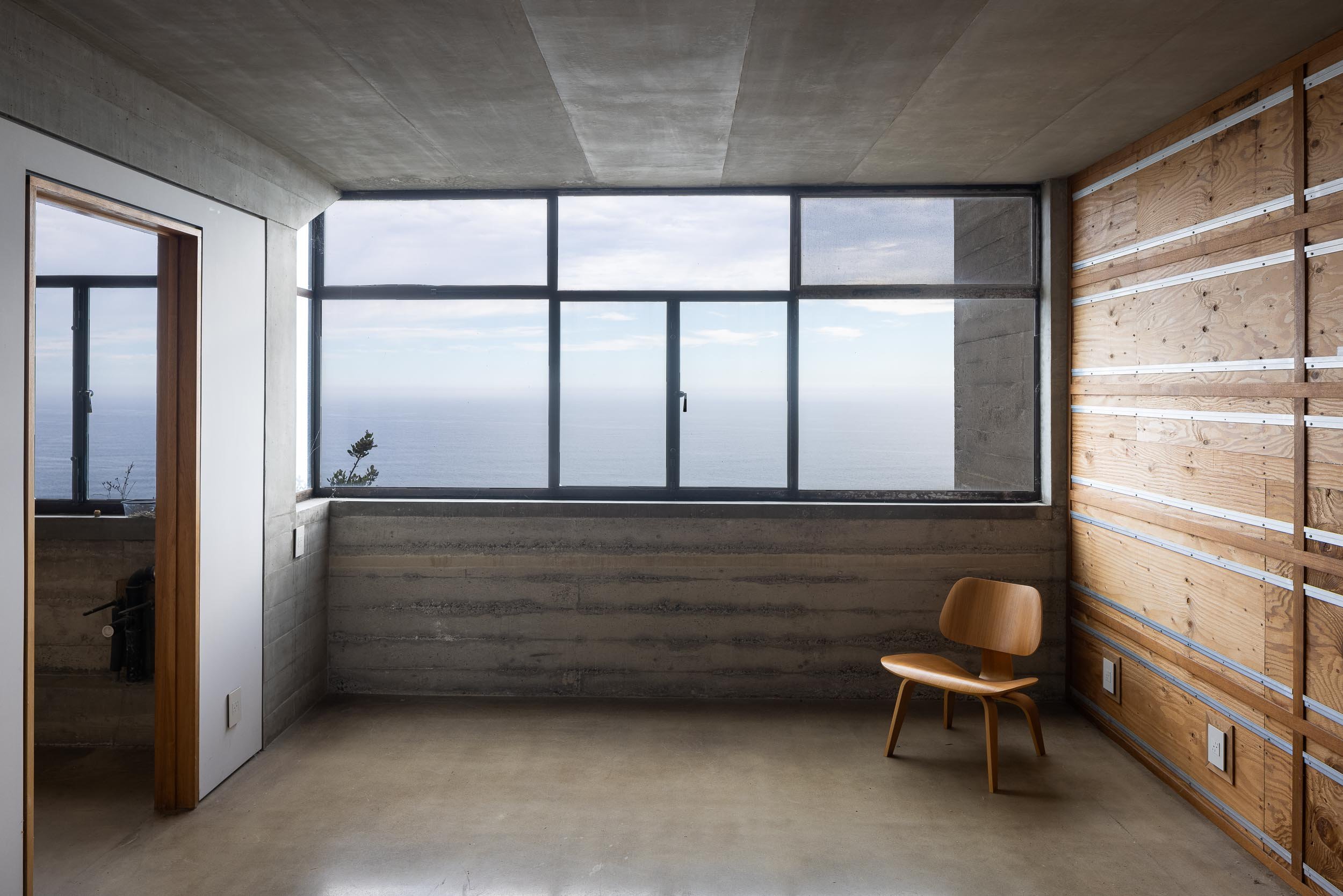
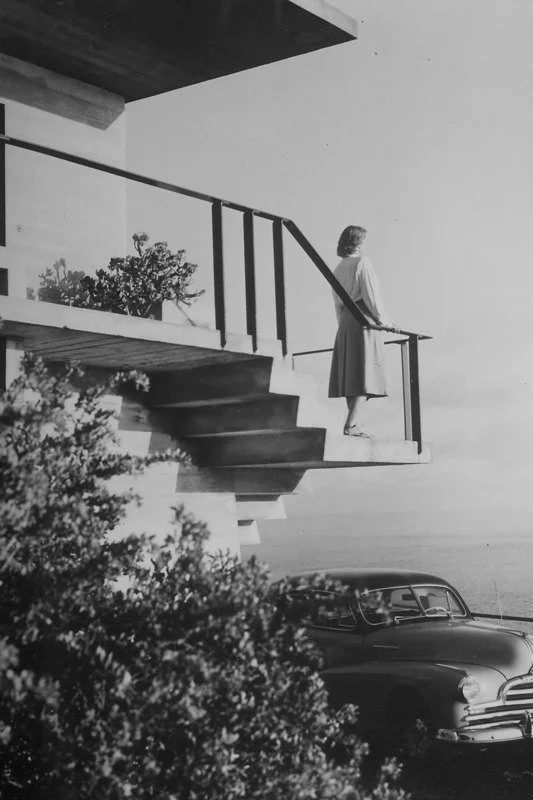
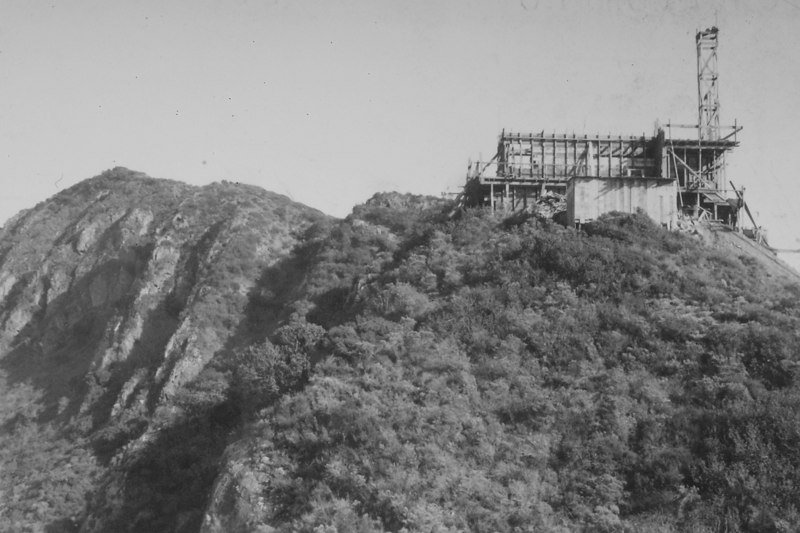
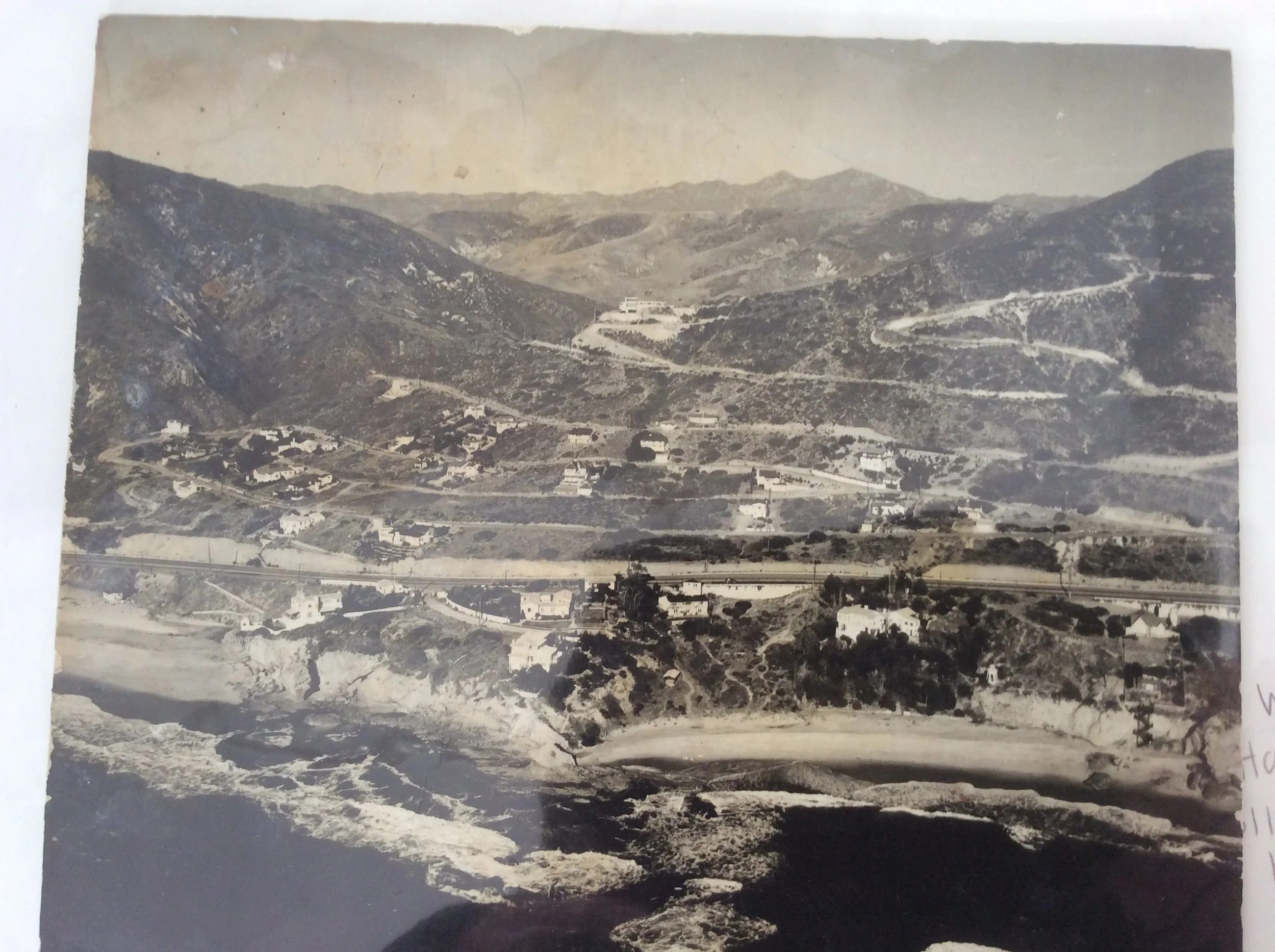
The name, Hangover House, comes from its positioning: perched 600-feet above the Pacific Ocean with sweeping views up and down the coast, transitioning to east-facing views overlooking Aliso Canyon.
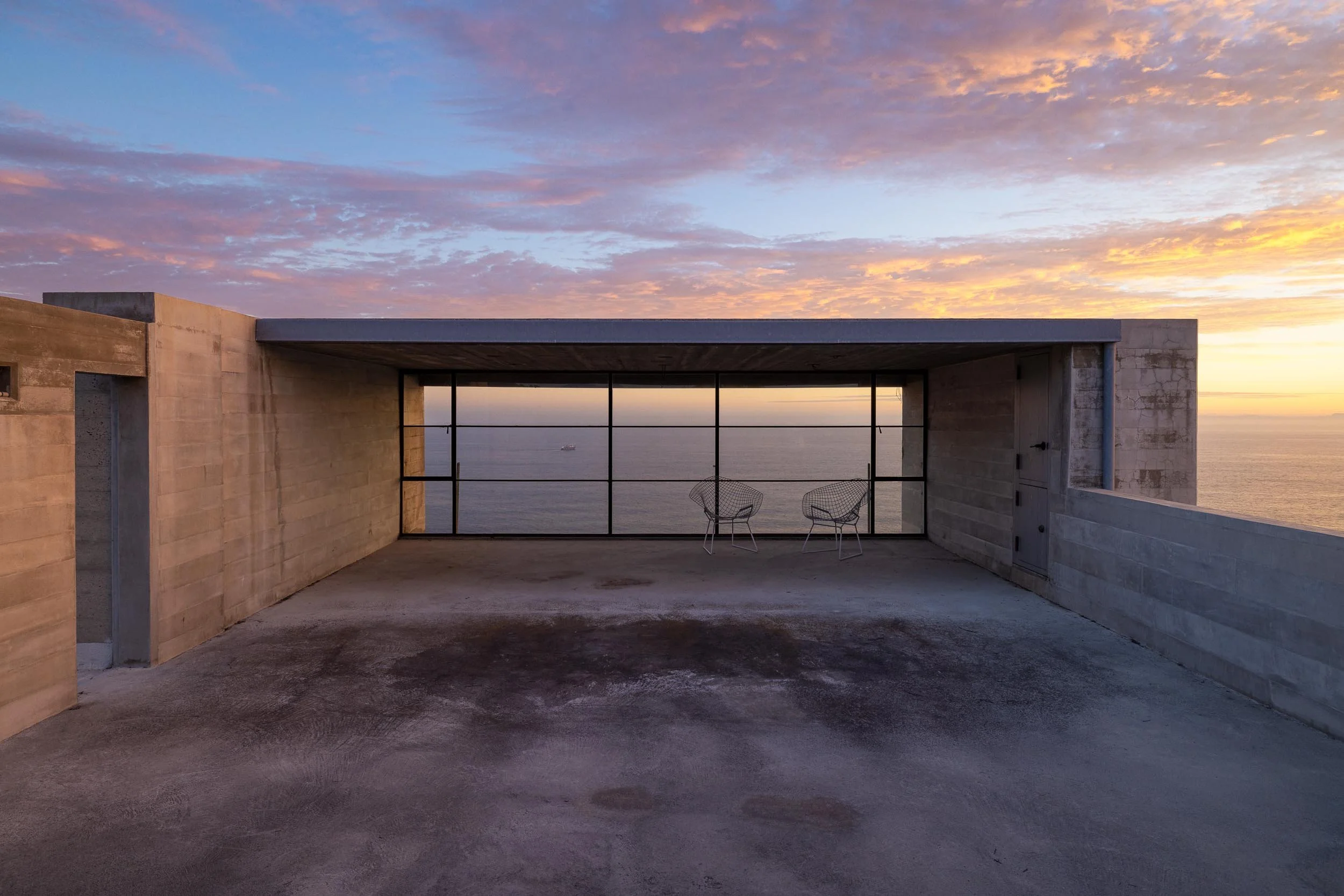
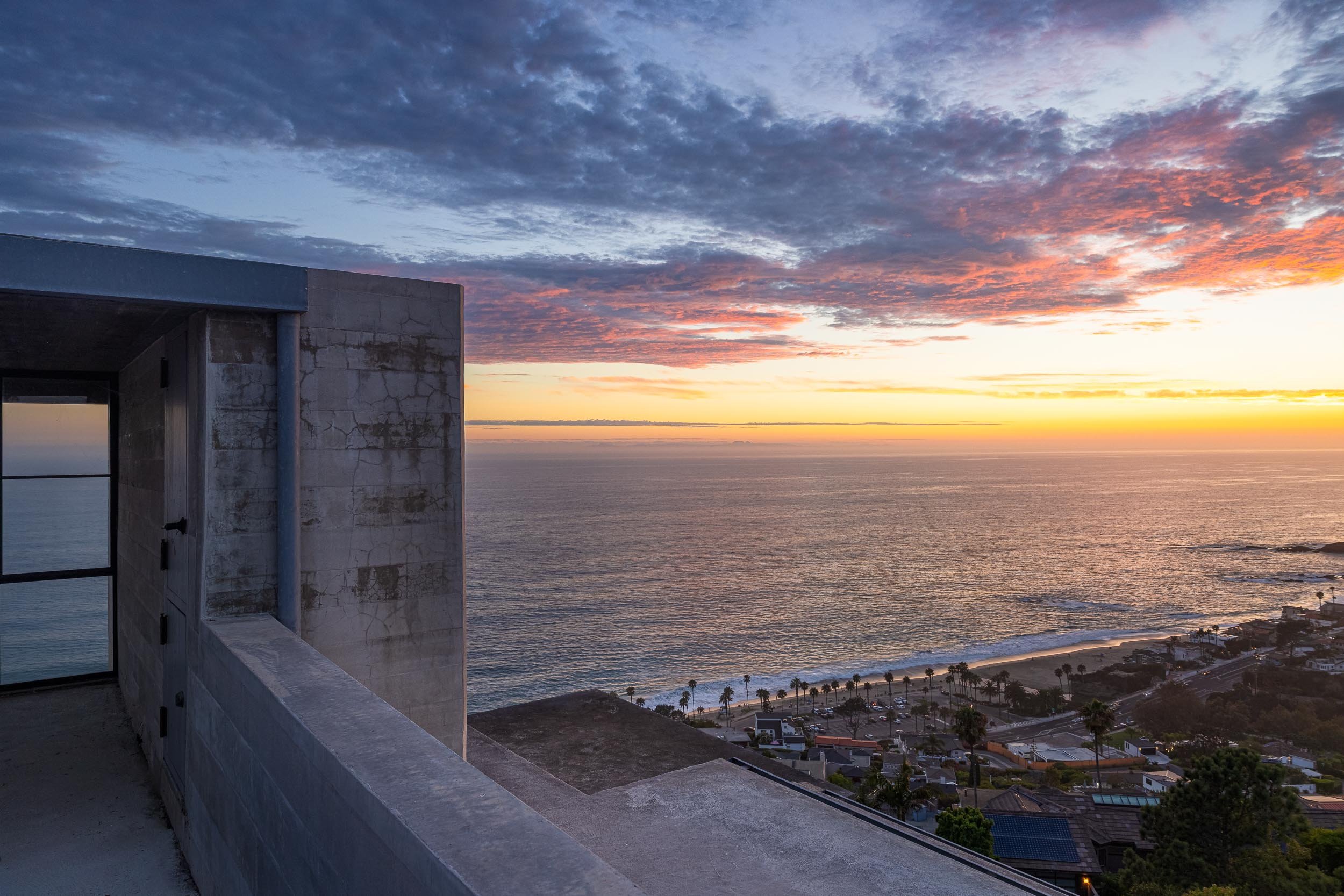
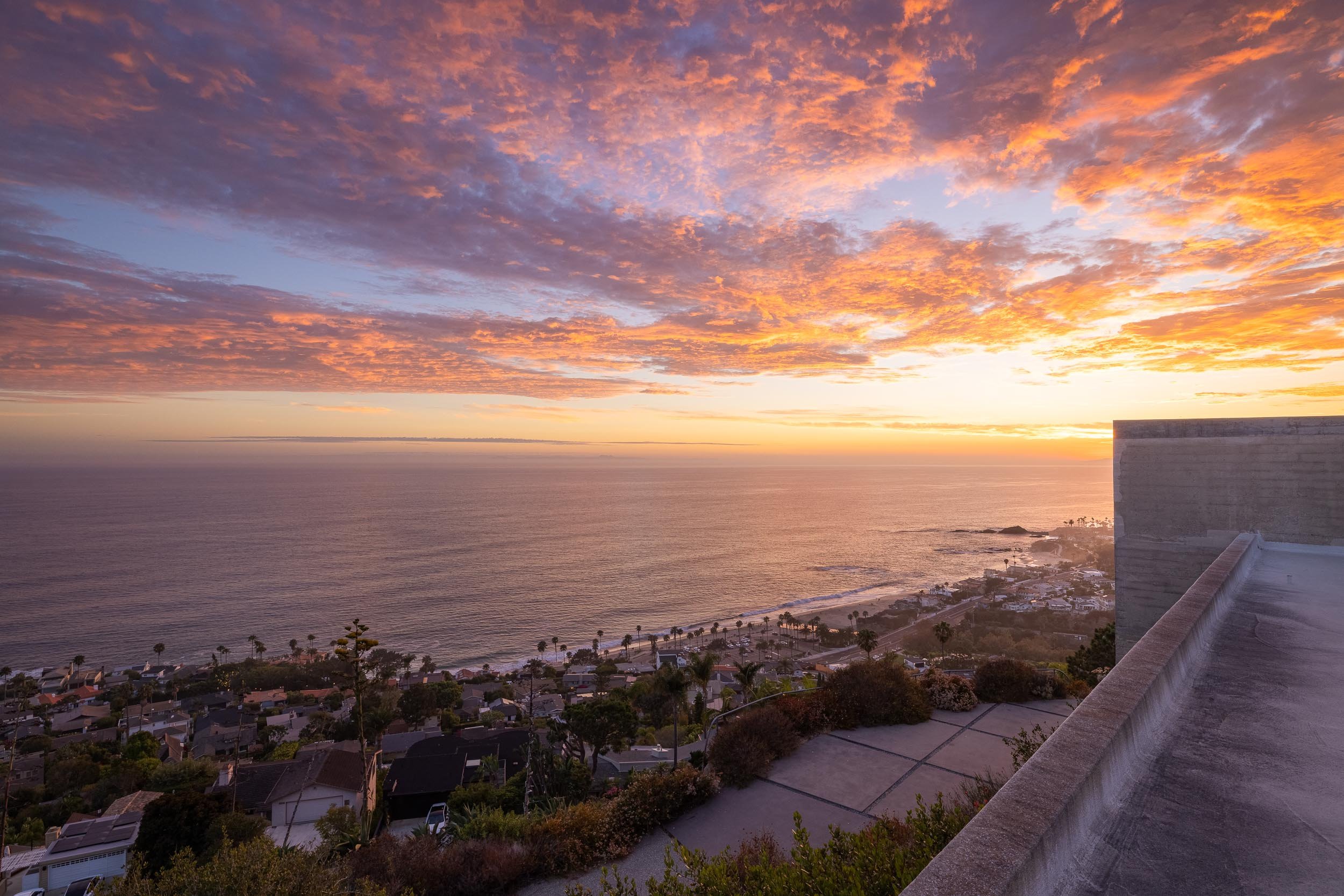
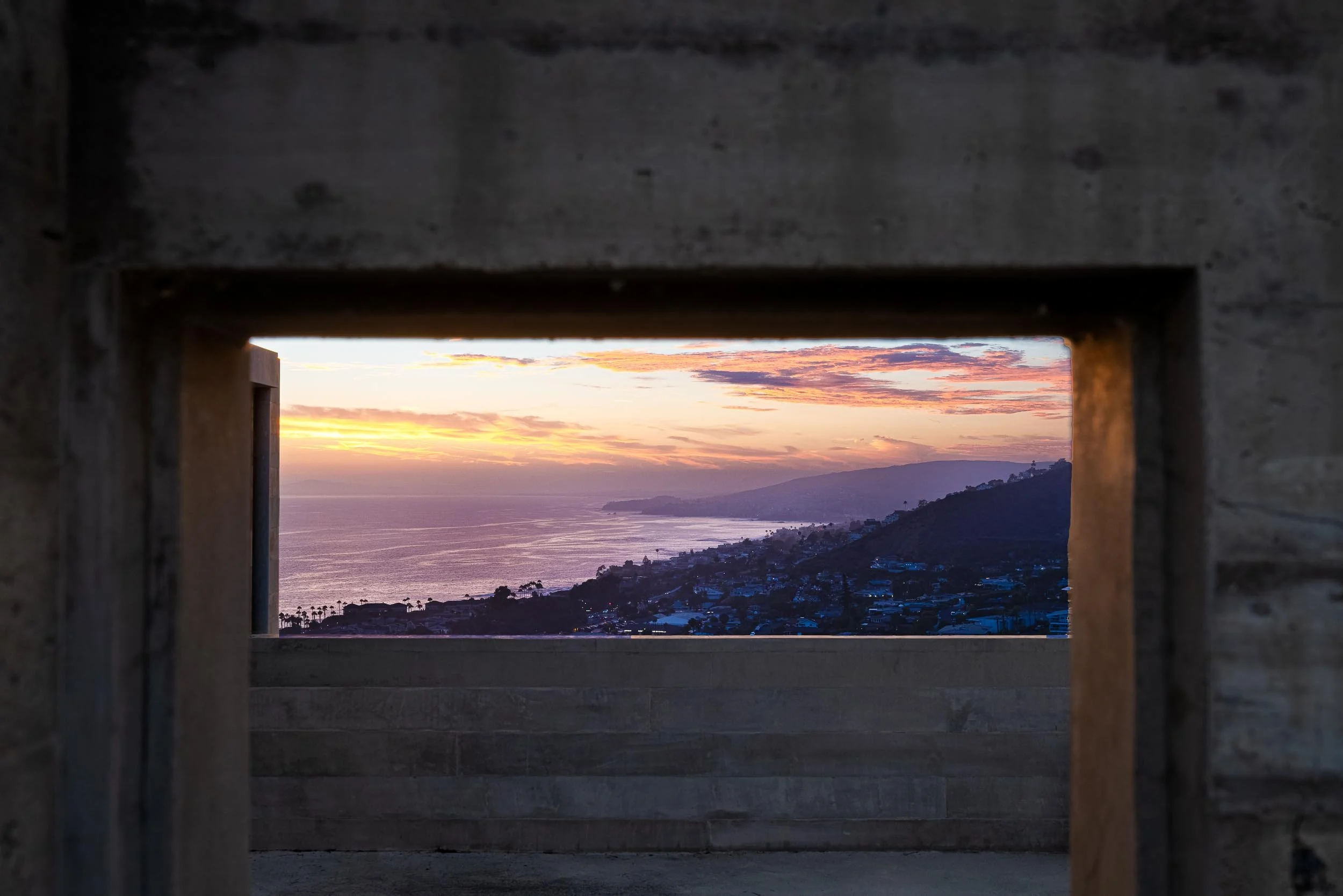
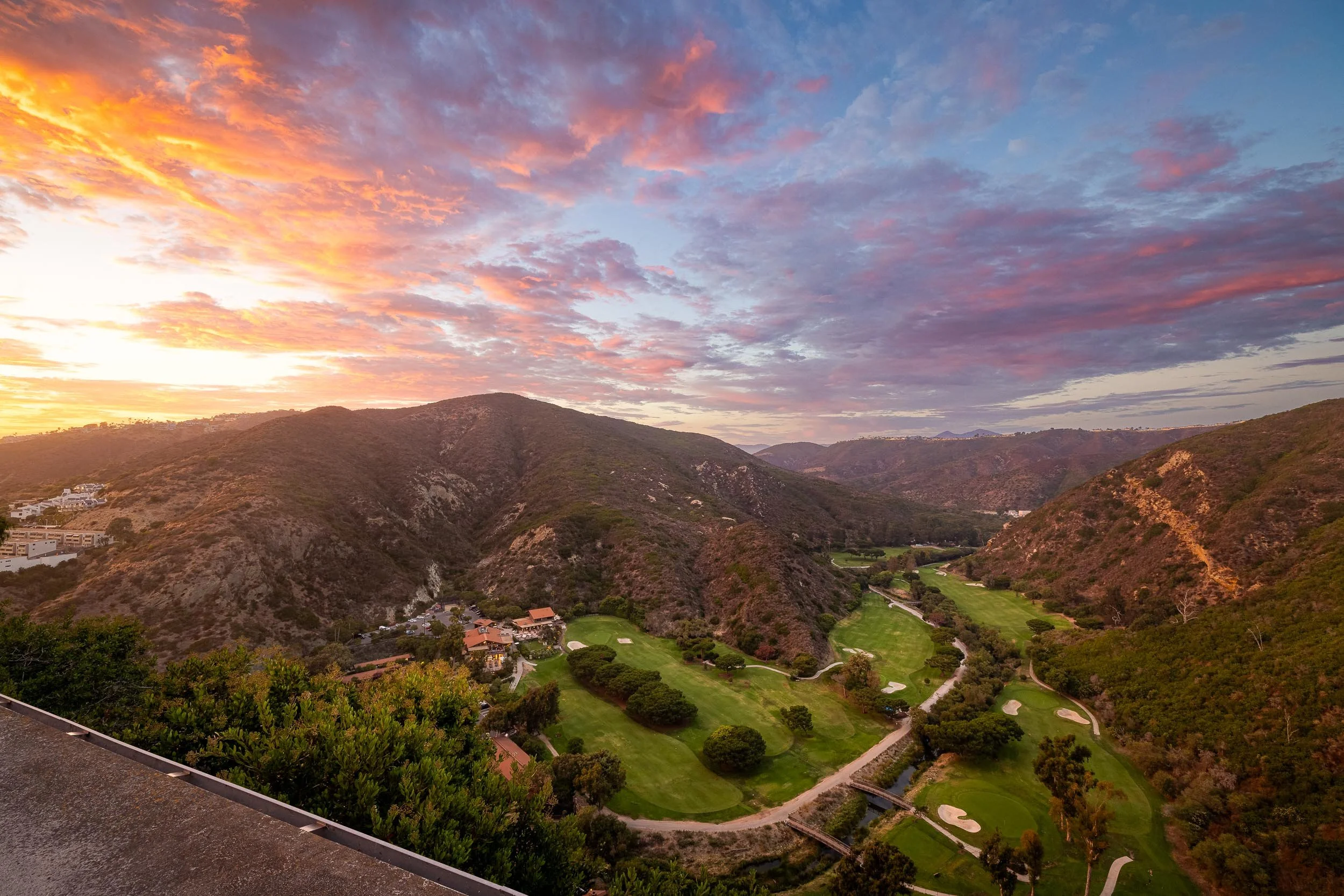
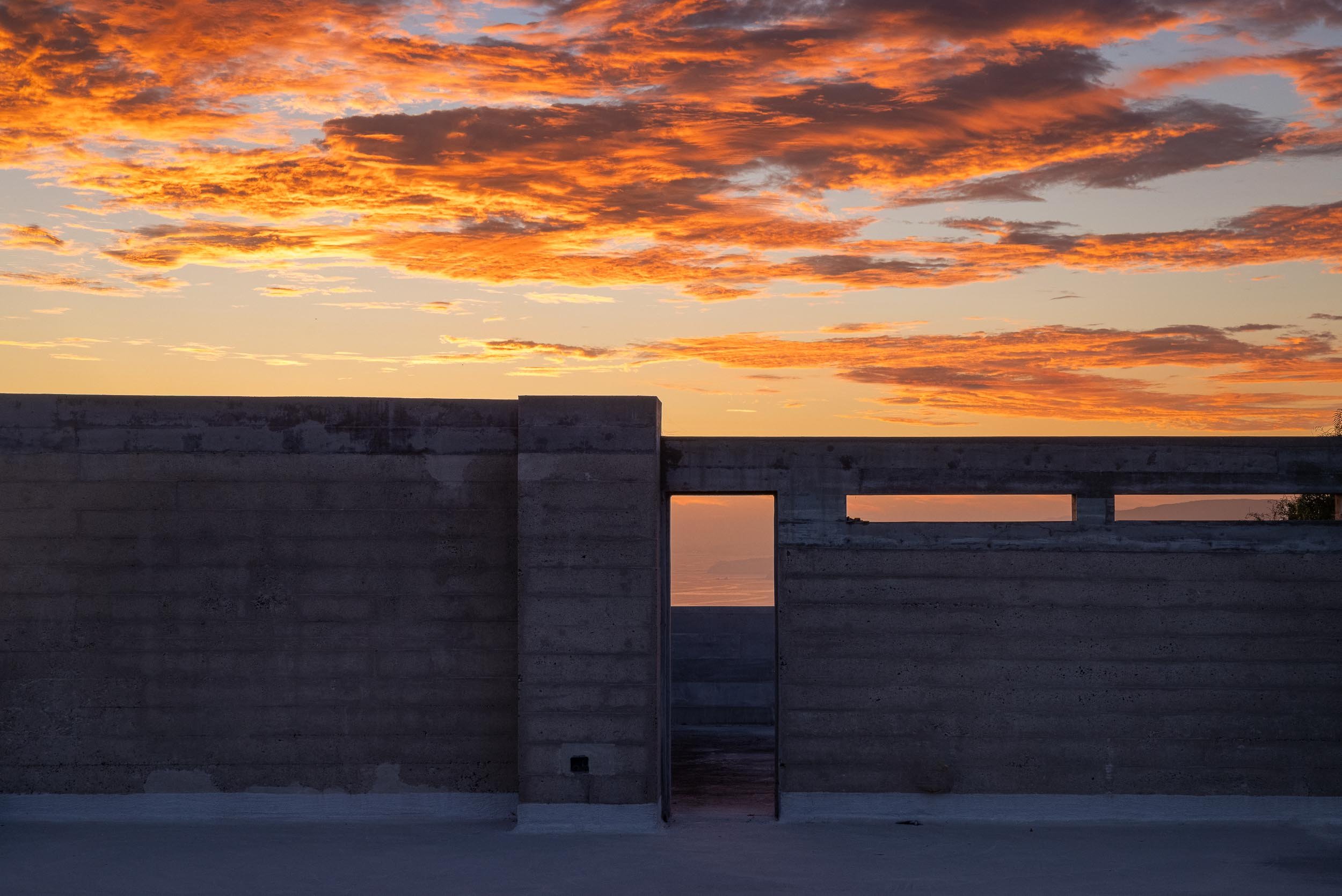
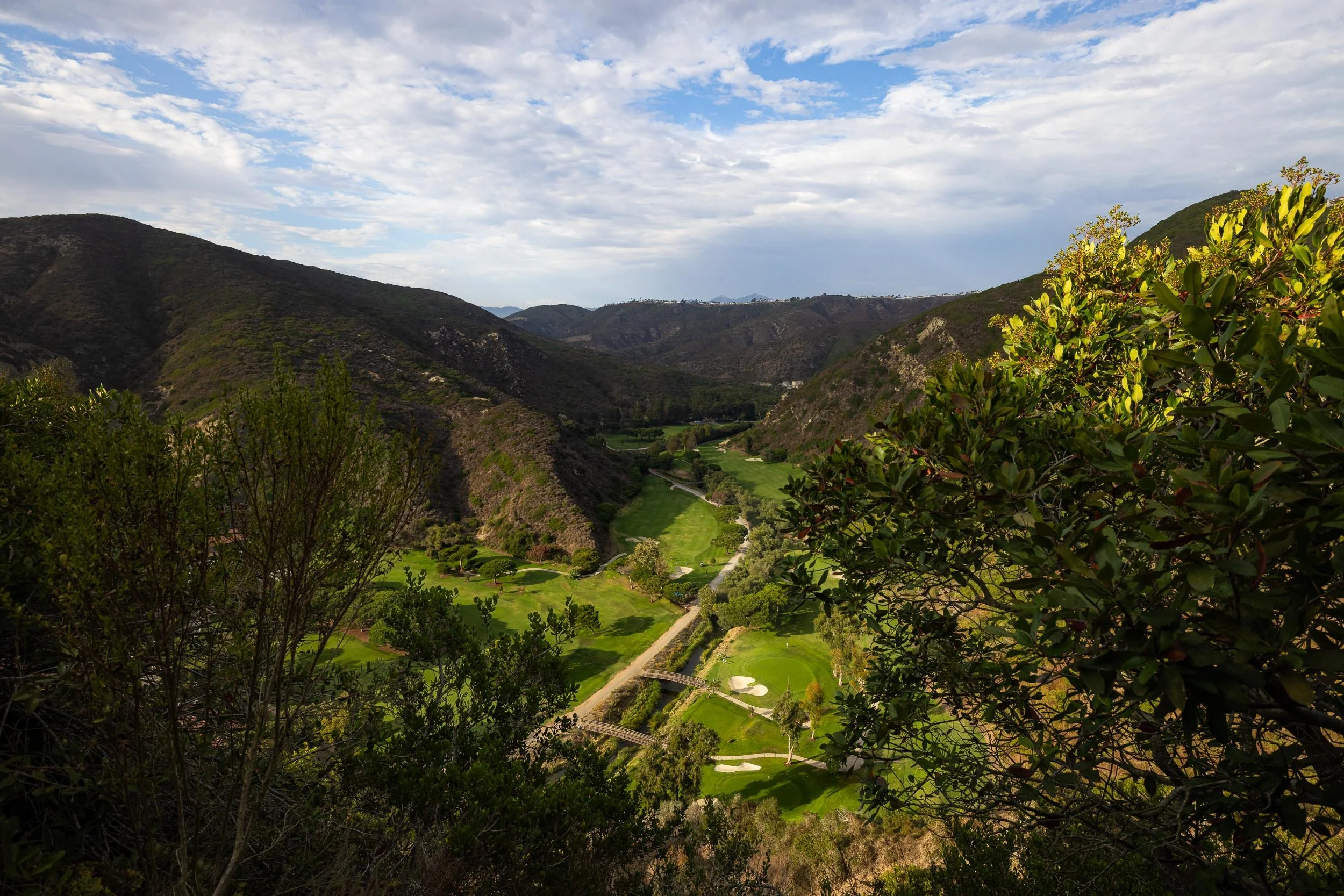
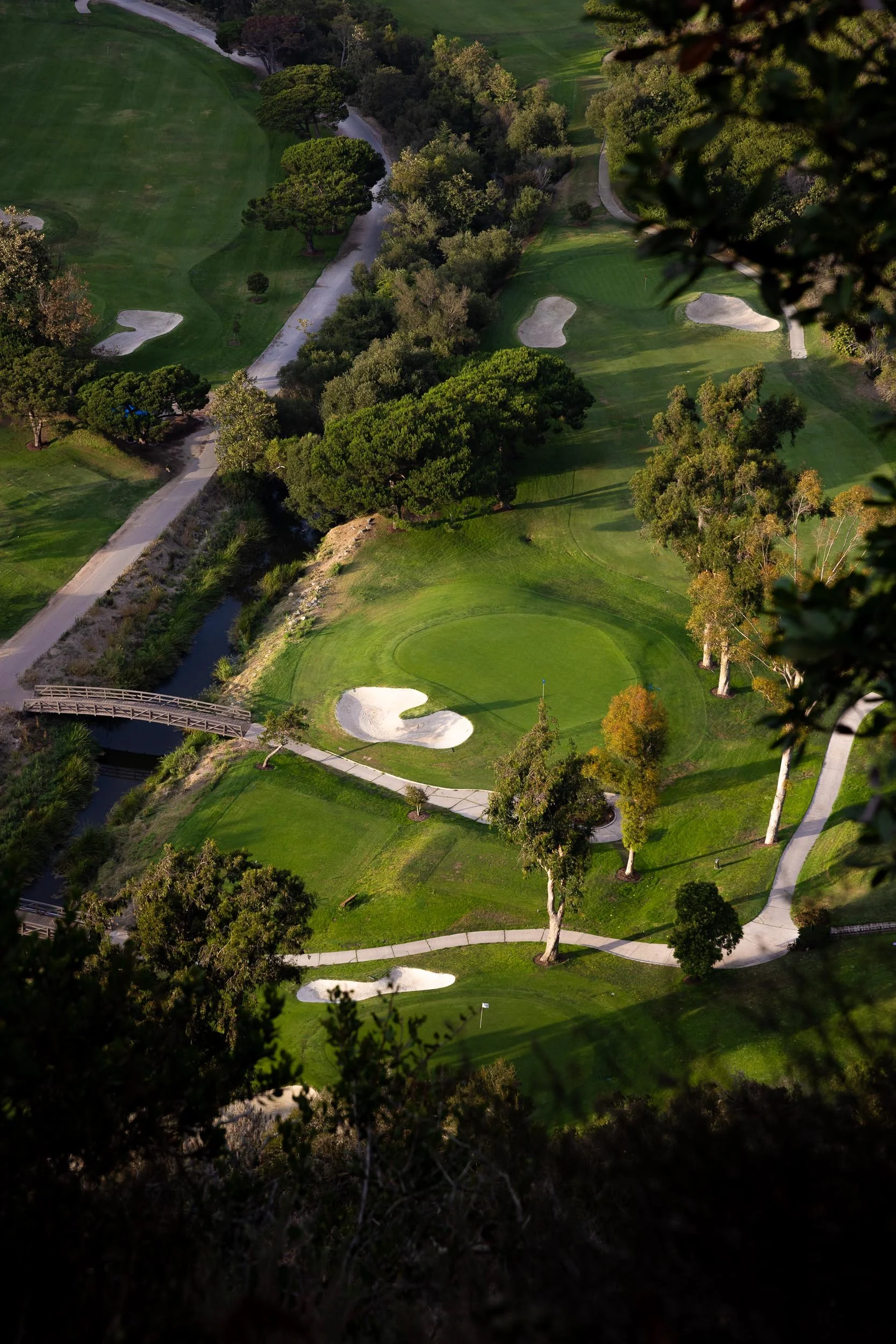
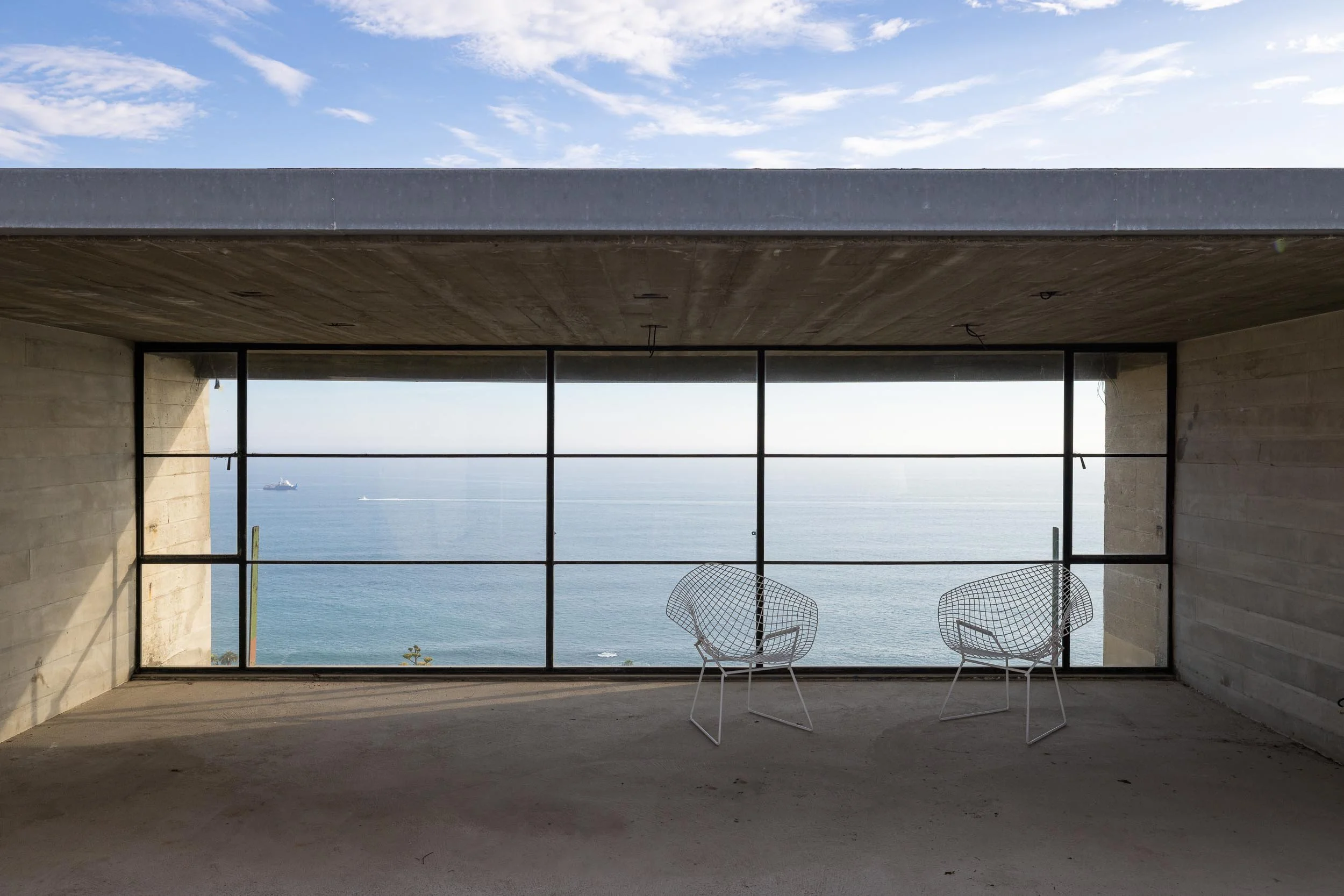
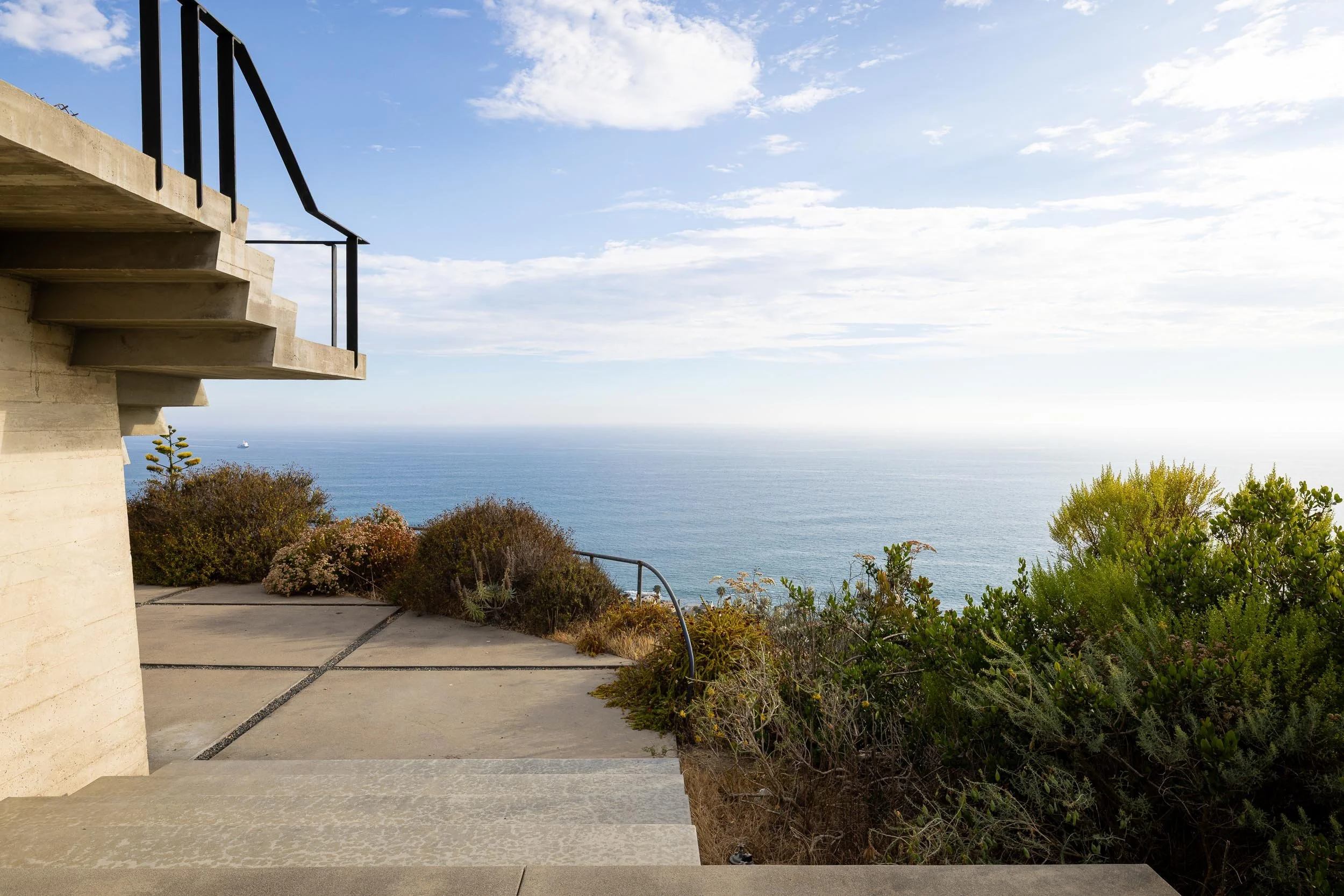
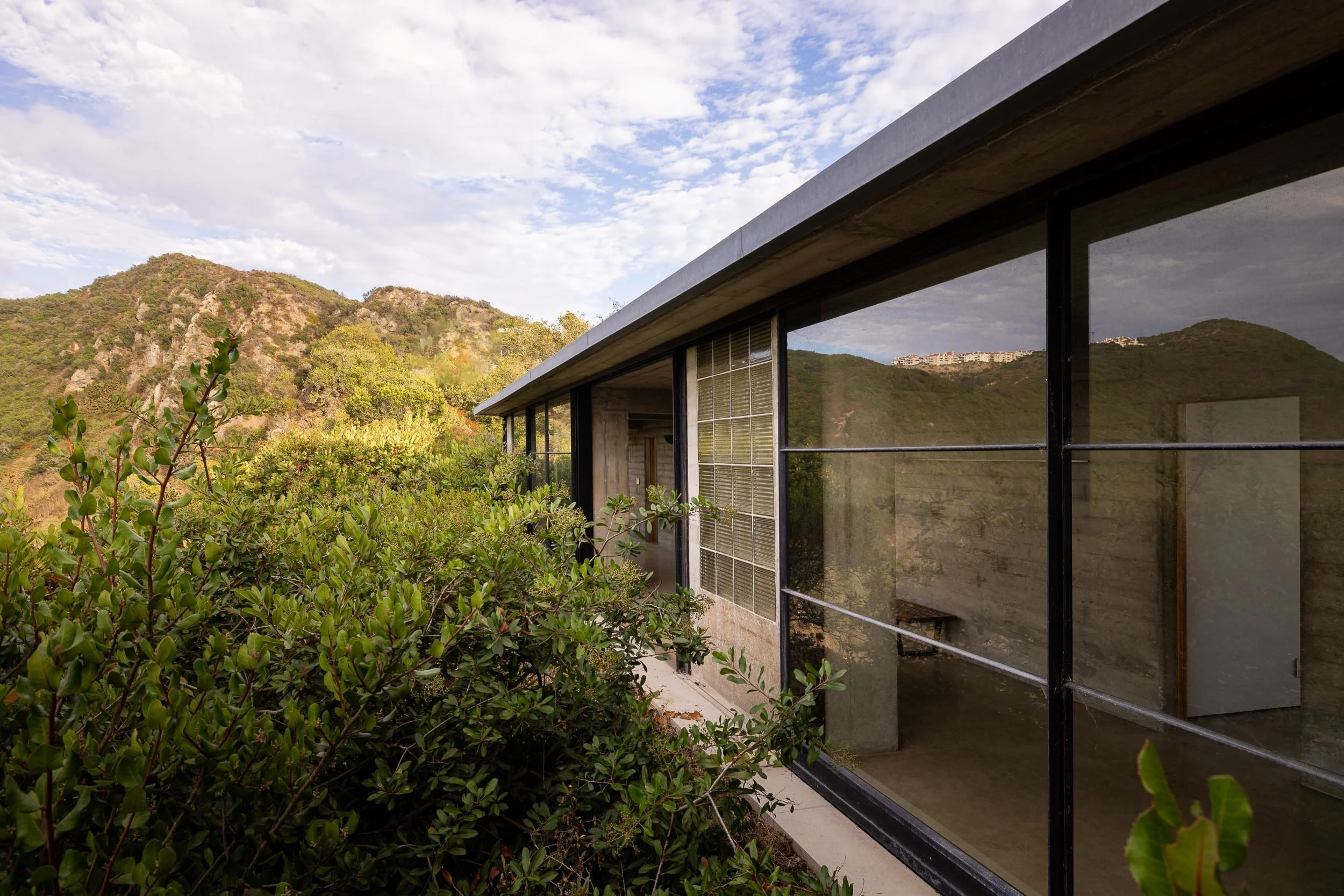
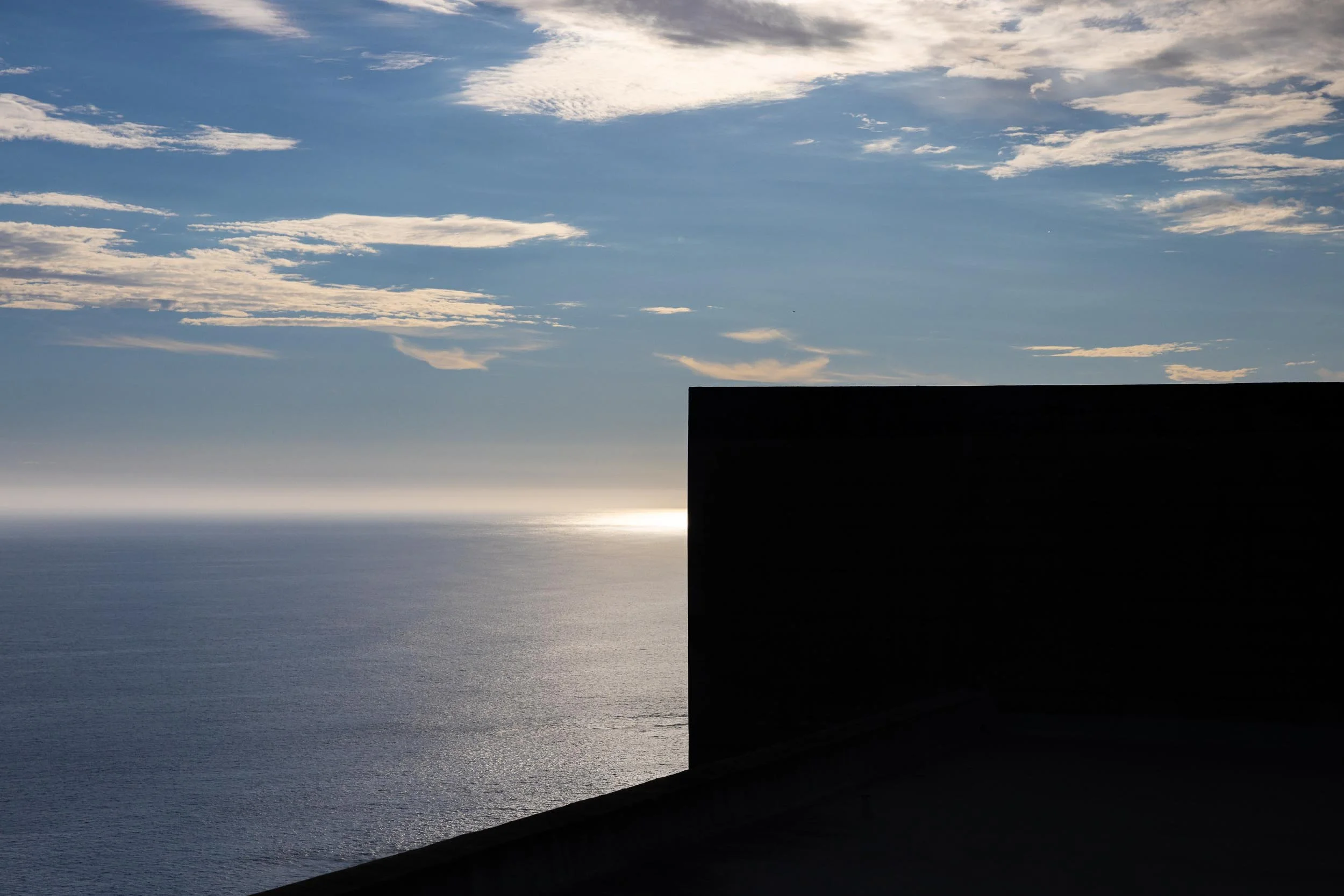
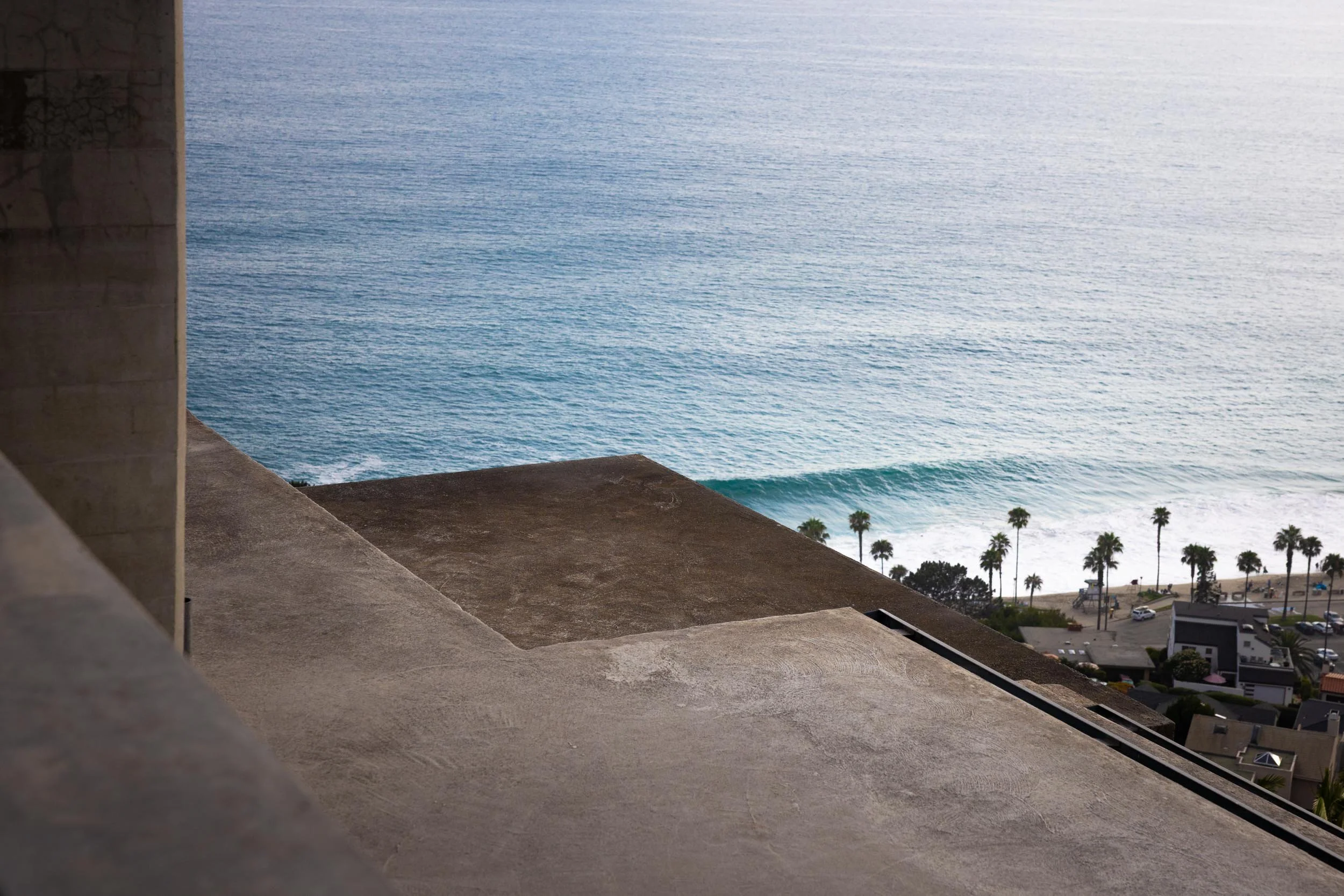
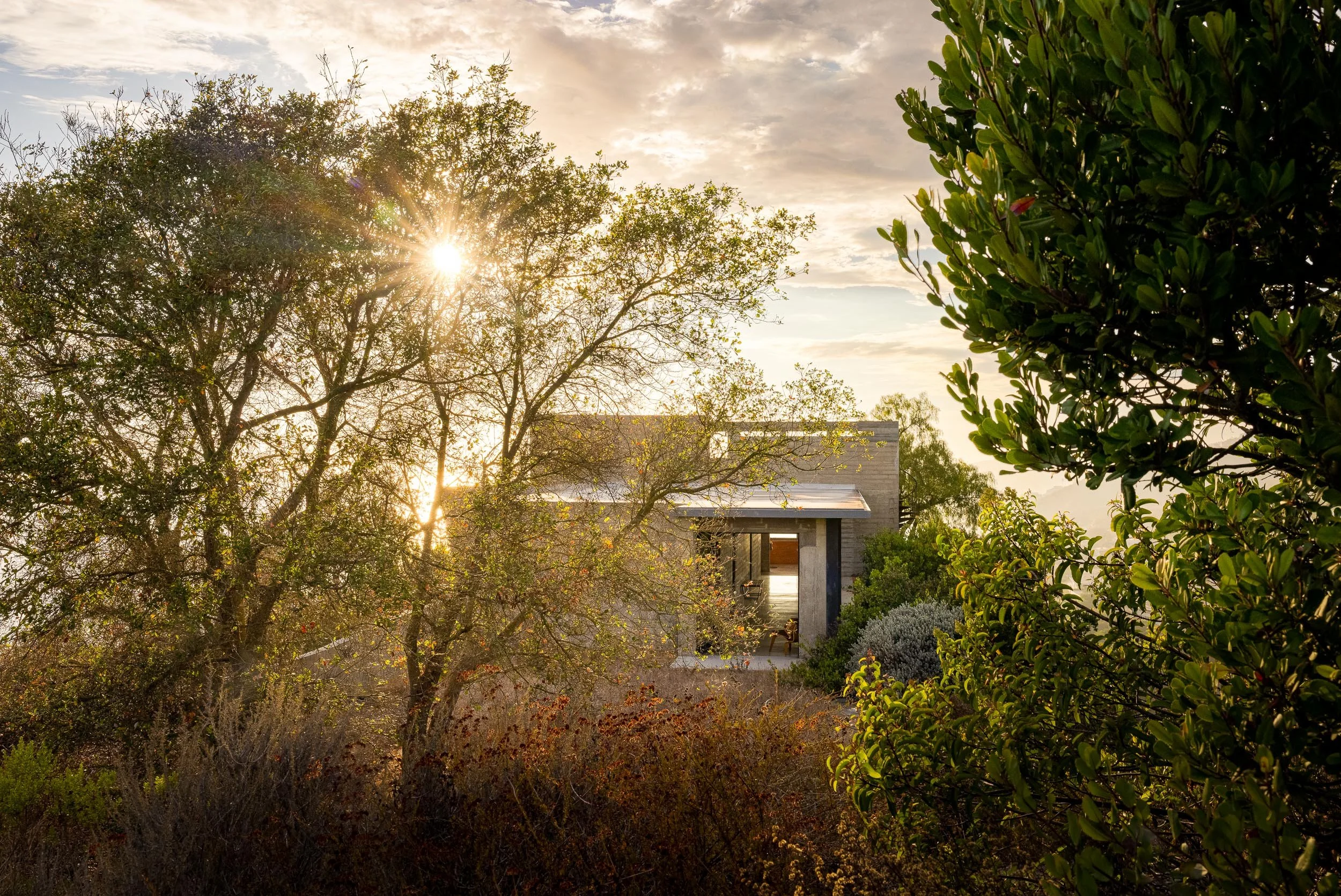
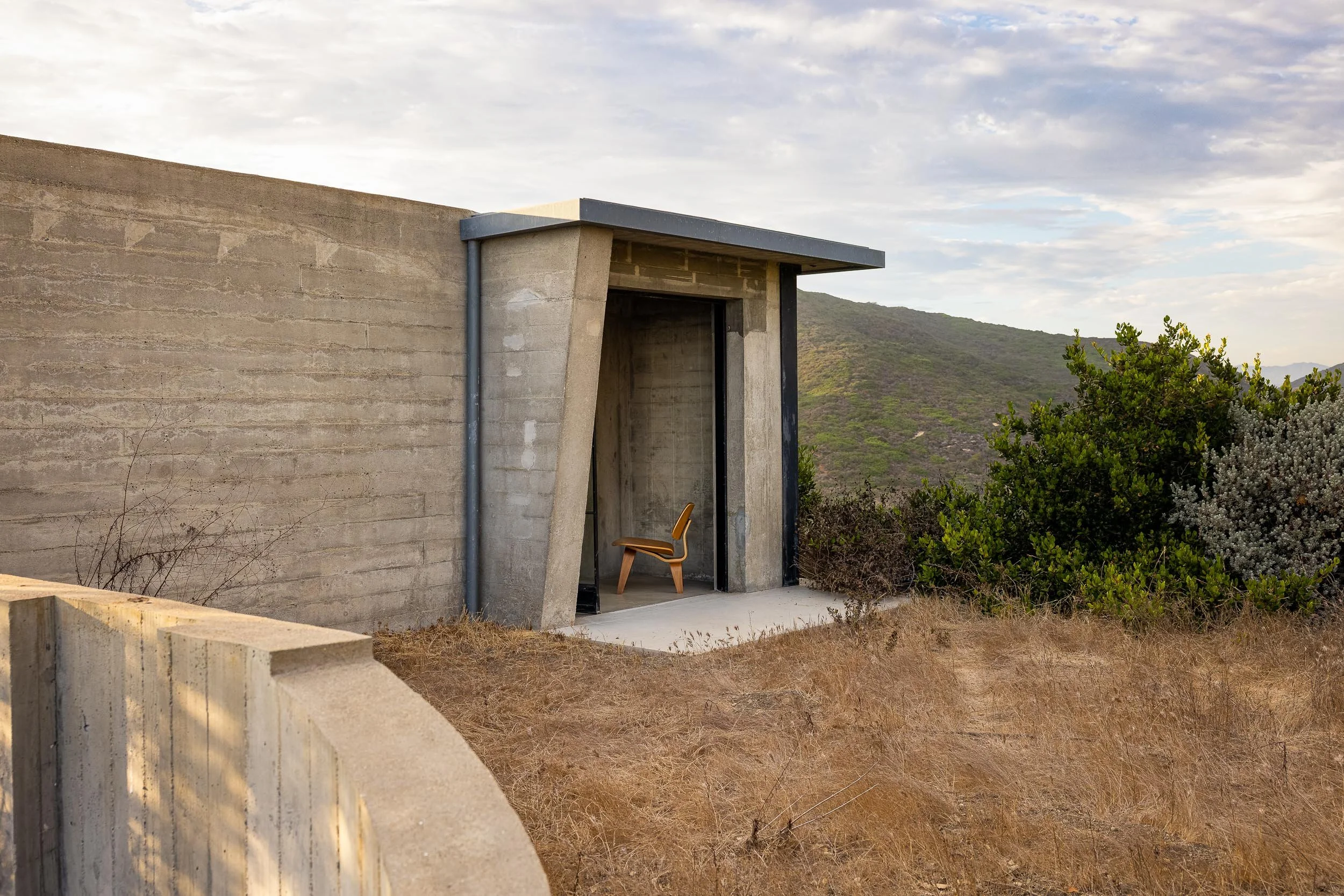
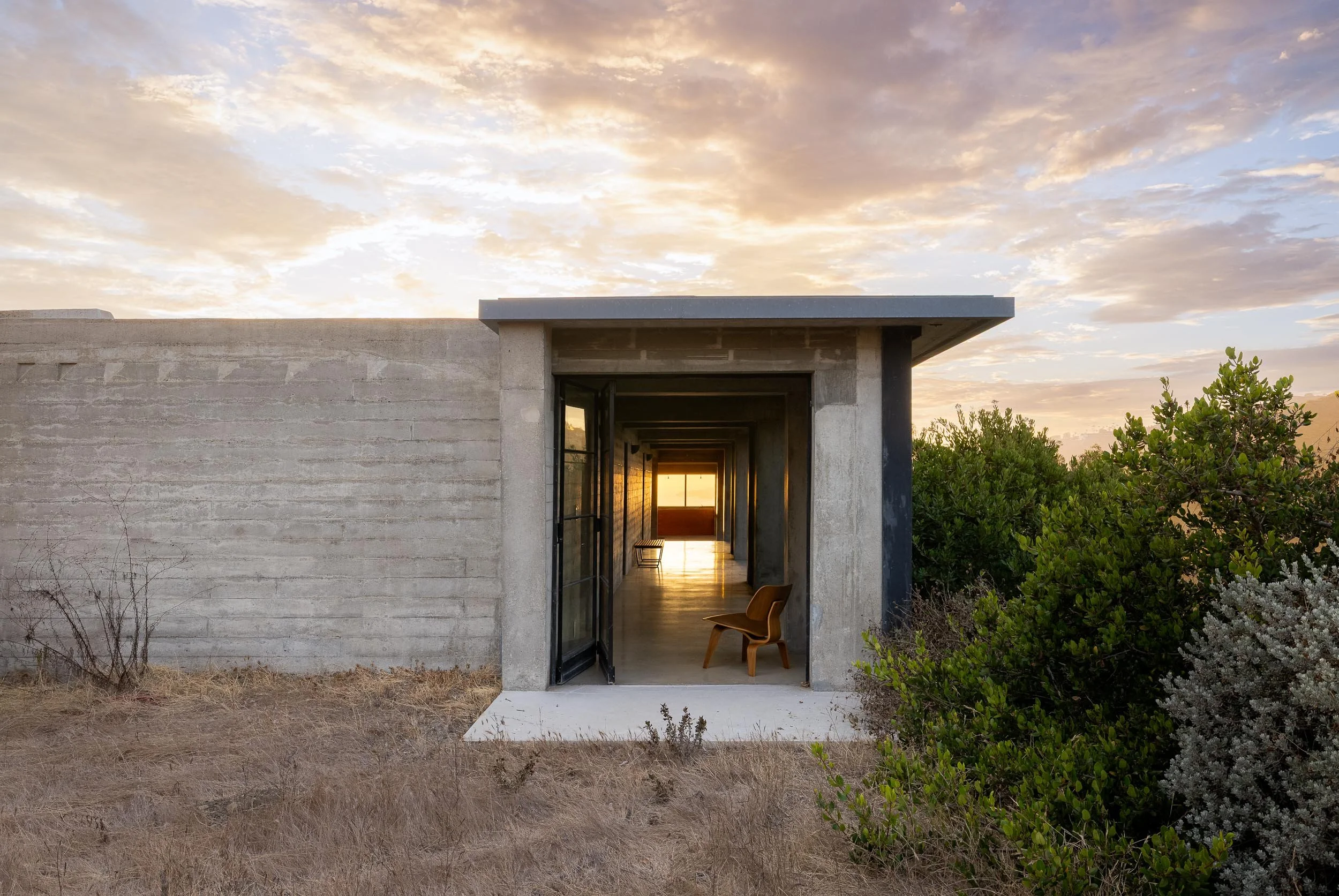
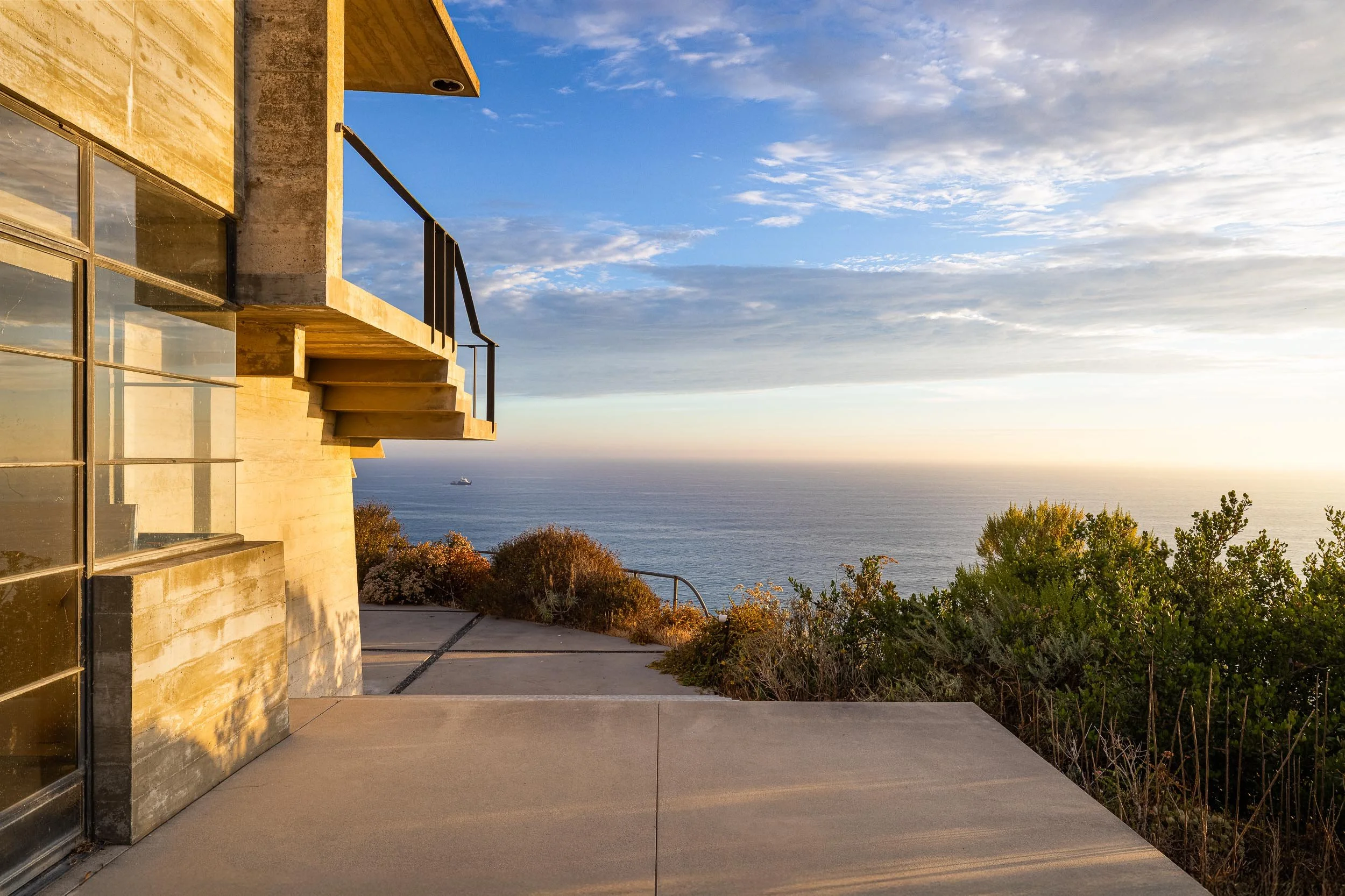
The main residence is currently a two-bedroom, two-bathroom main floor home with a lower level guest suite, totaling about 2,500 square feet, on an almost 20,000-square-foot lot.
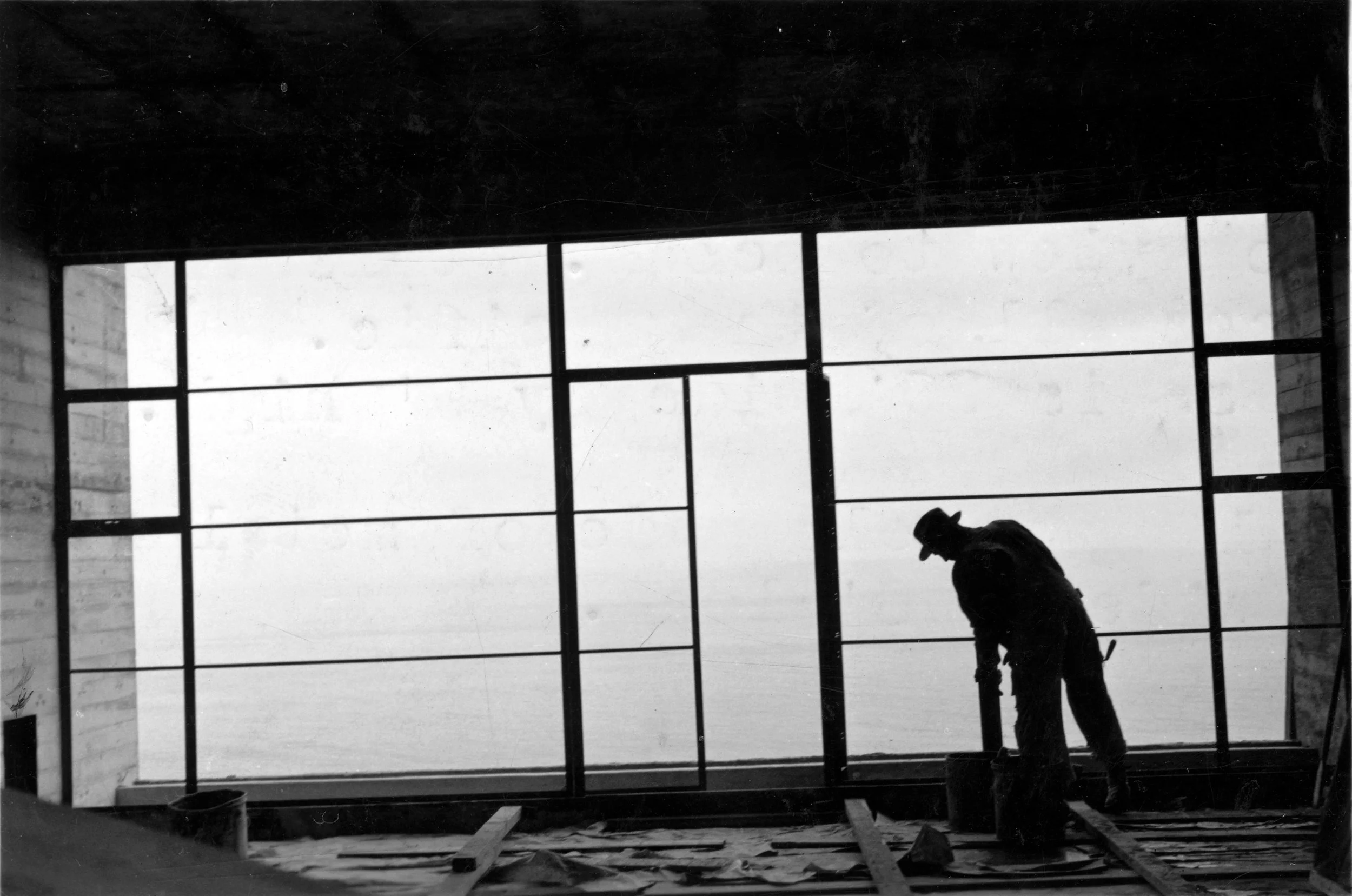
An original spiral staircase takes you up to the rooftop deck featuring 360-degree elevated ocean and surrounding views, with an original steel-casement window that serves as a wind screen for dining, relaxing and entertainment.
The entire structure has been restored. This included reinforcing the concrete and steel; a steel-framed casement window was installed, matching the original that had been replaced by a prior owner, all electrical and plumbing lines are new and in place -- just awaiting the personalized touches to be made by a new owner.
The remaining work primarily includes finishing the kitchen and bathrooms (cabinets, fixtures and hardware), in addition to completing the lower suite that was previously unused space and offers canyon views.
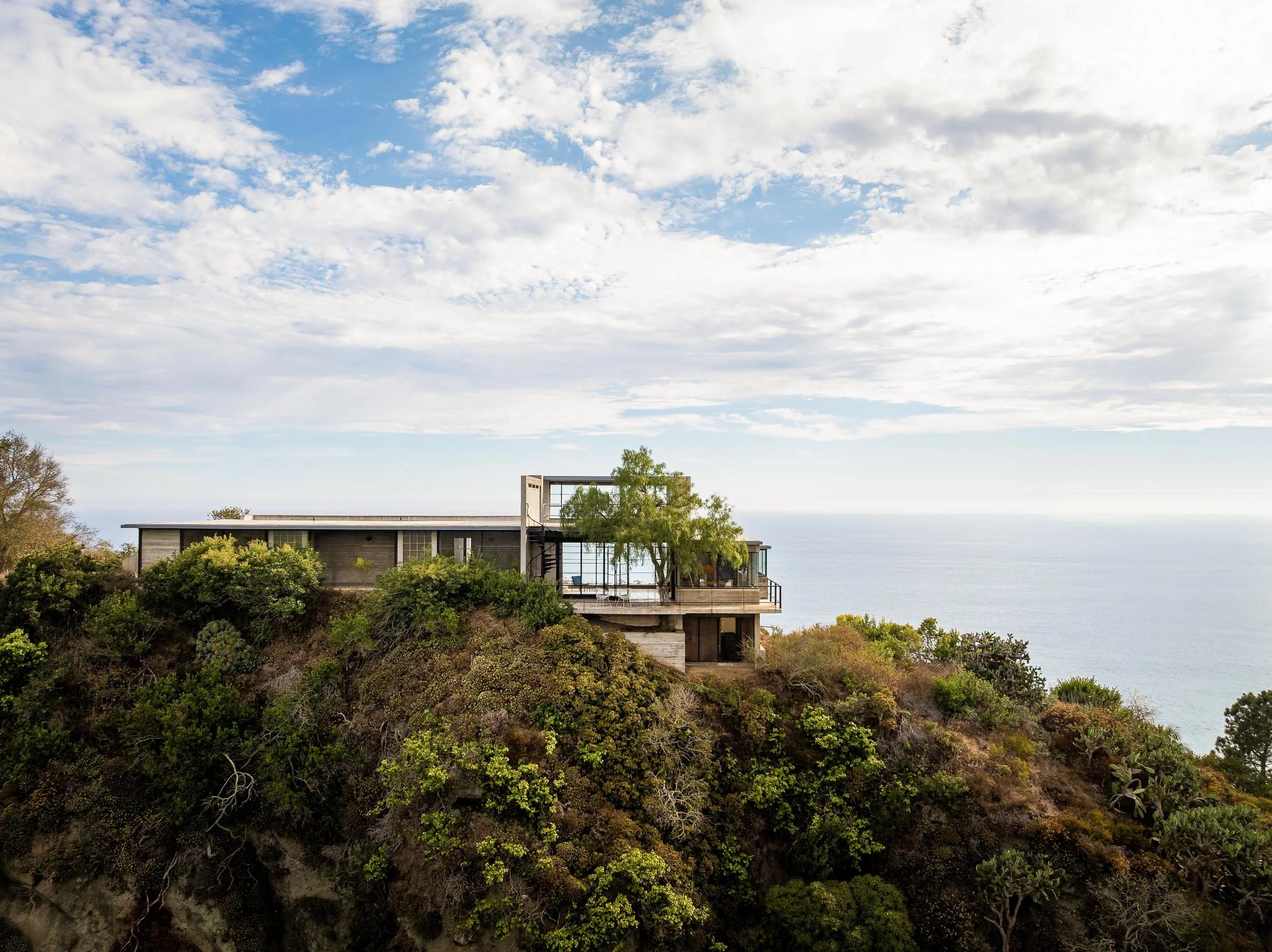
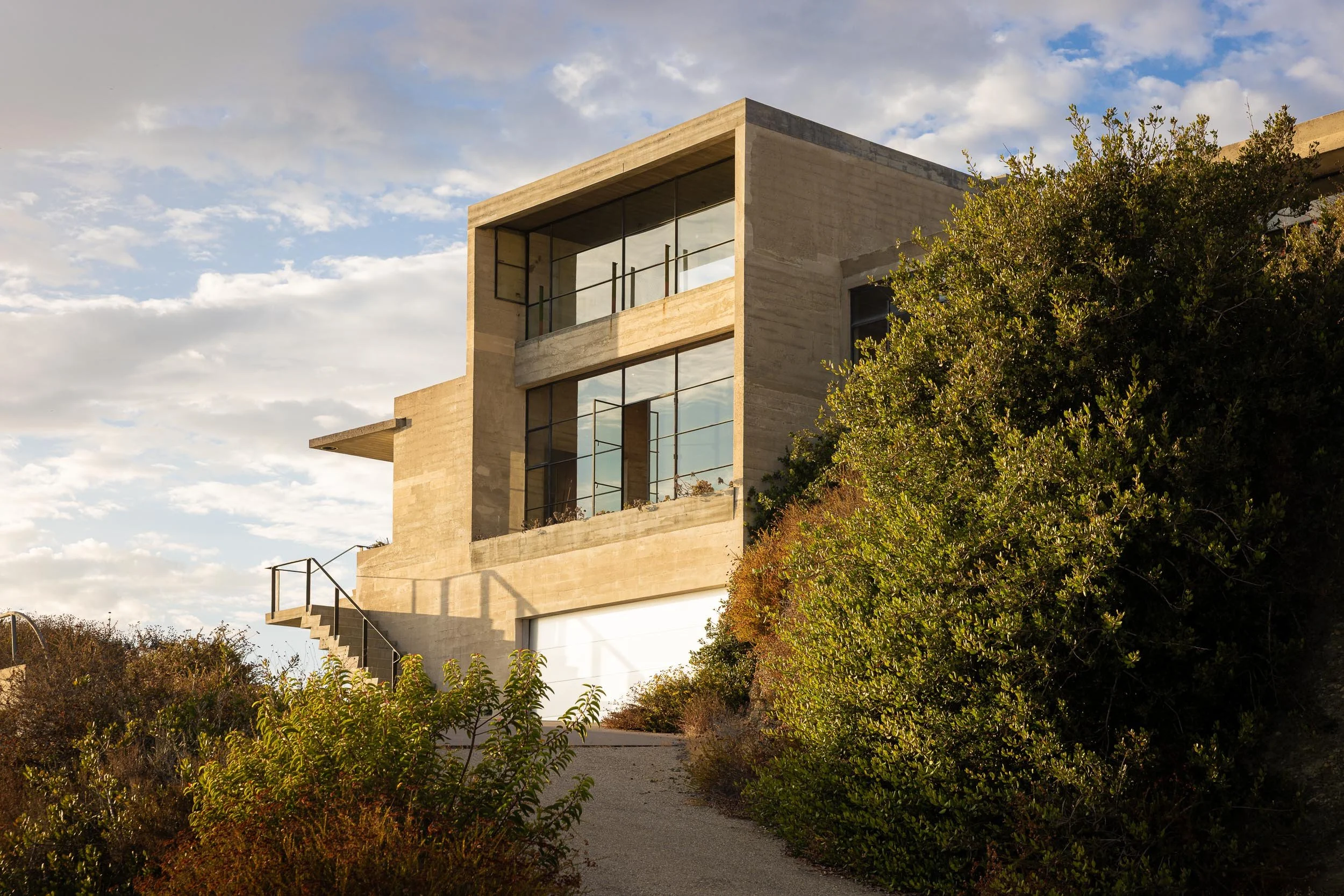
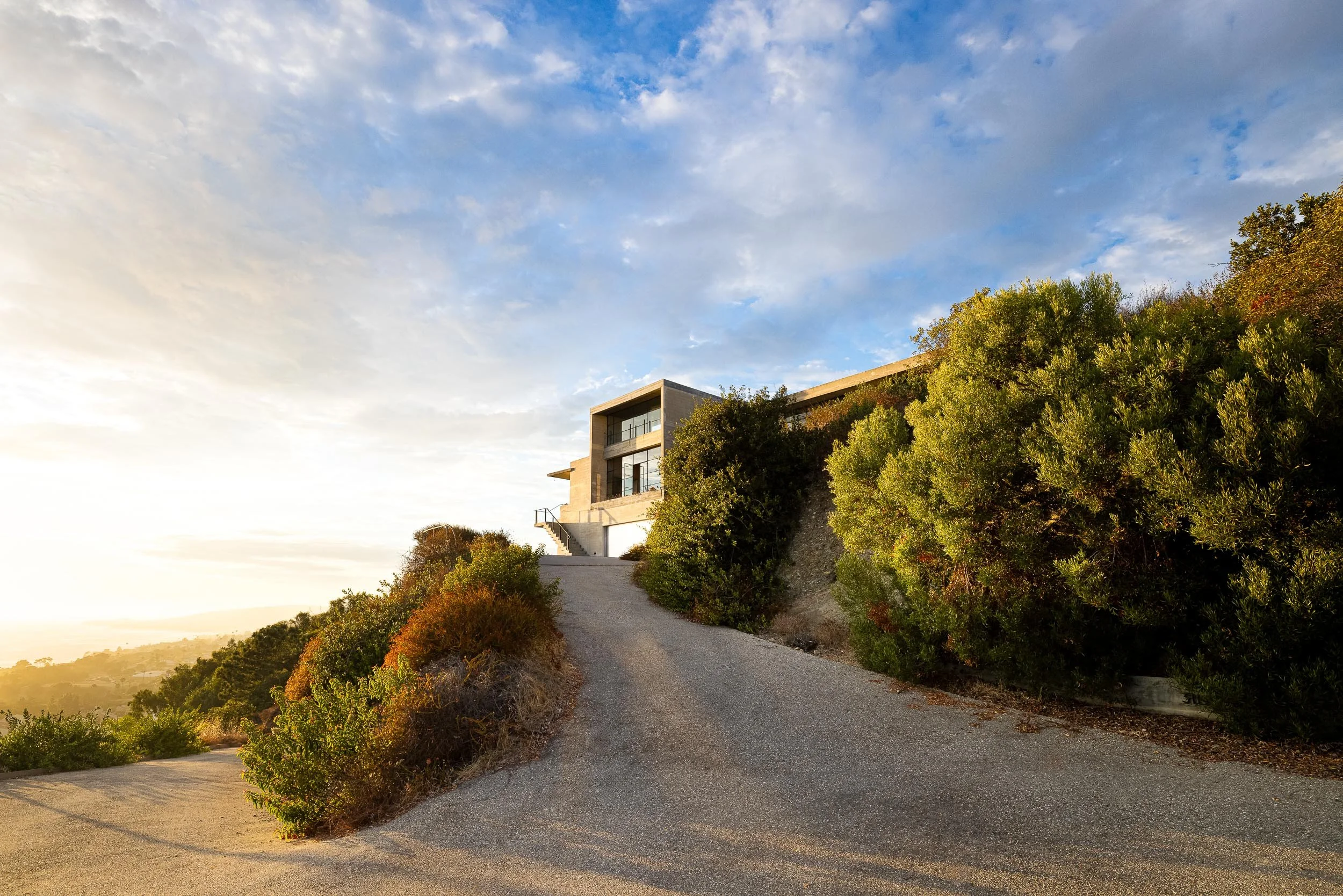
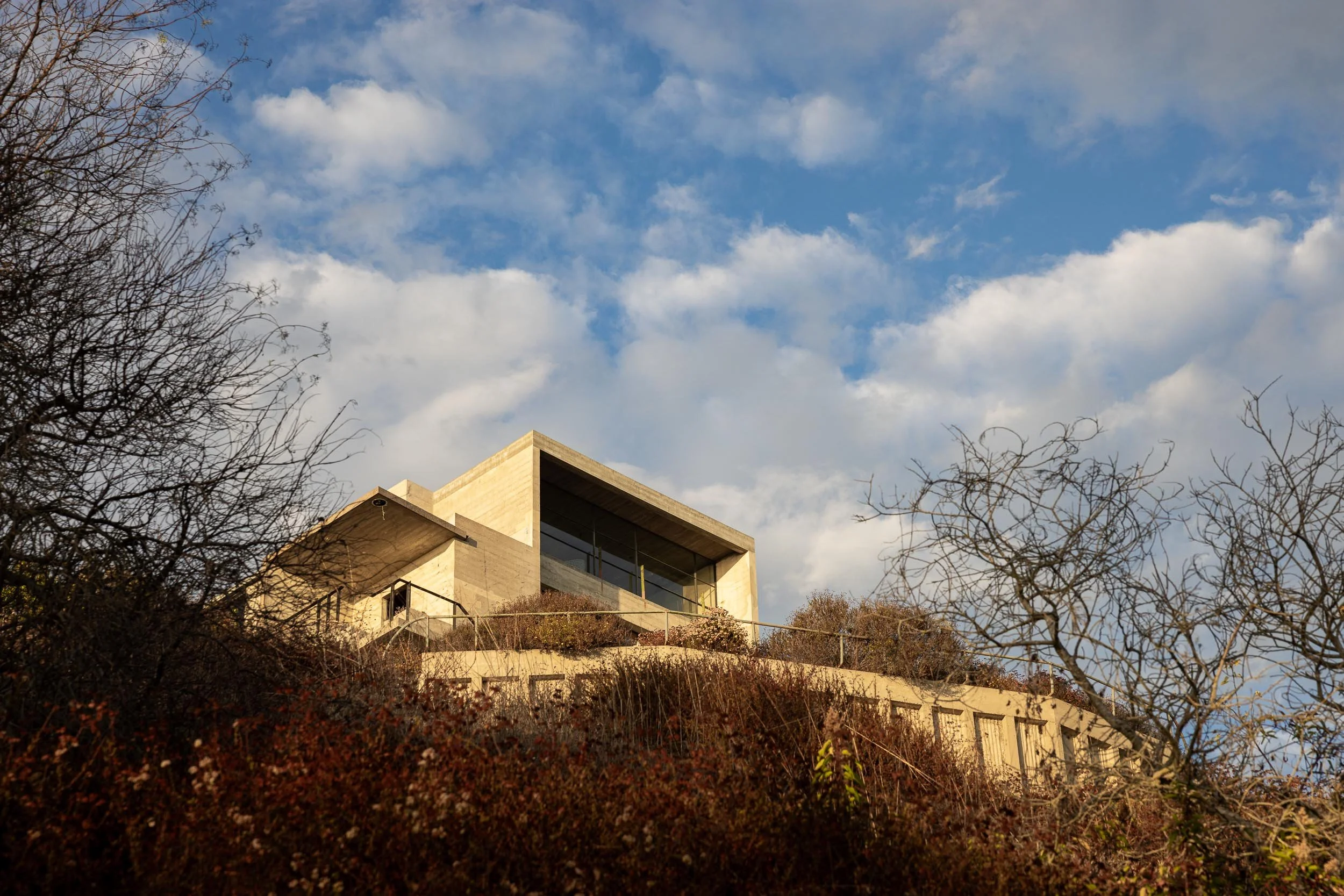
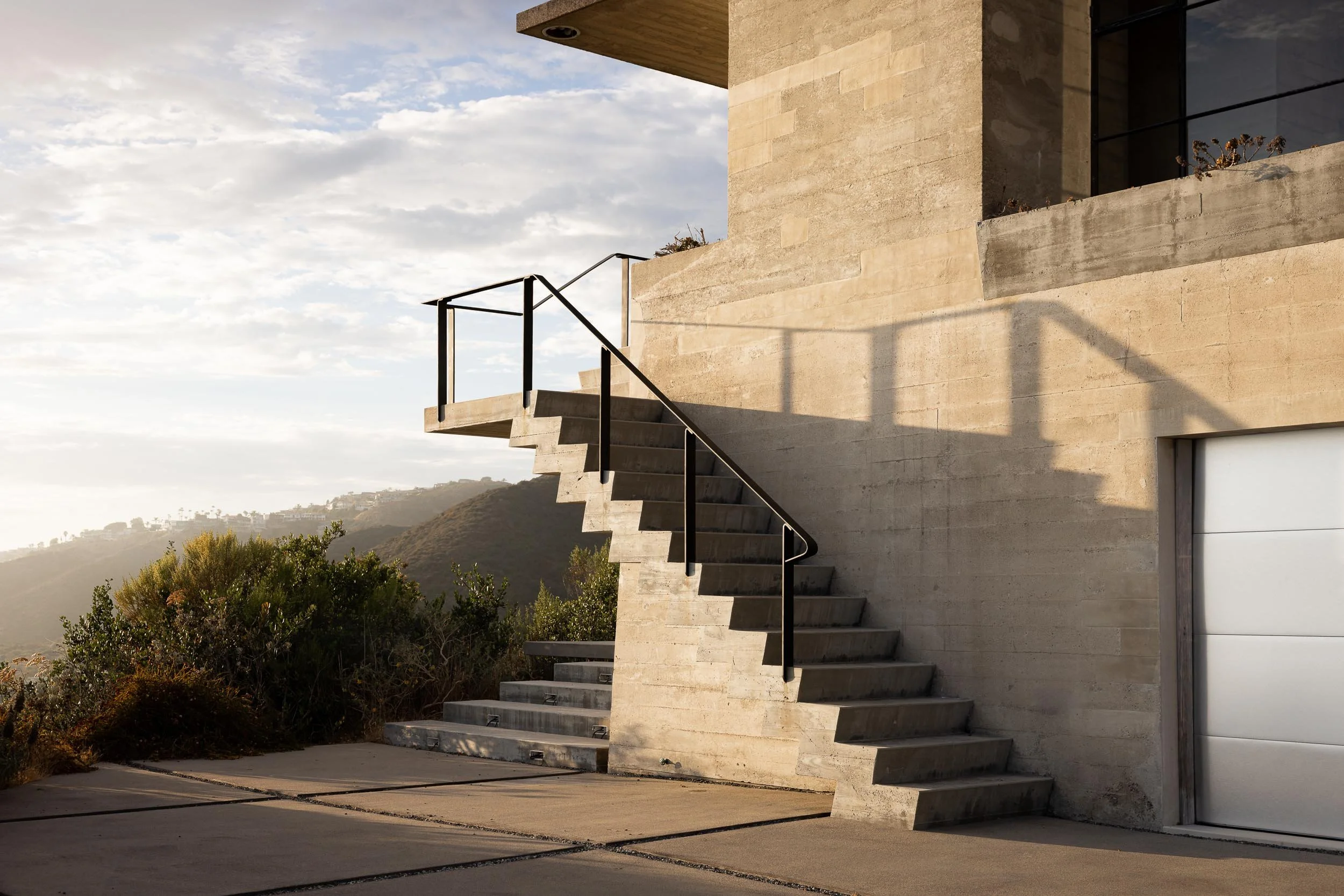
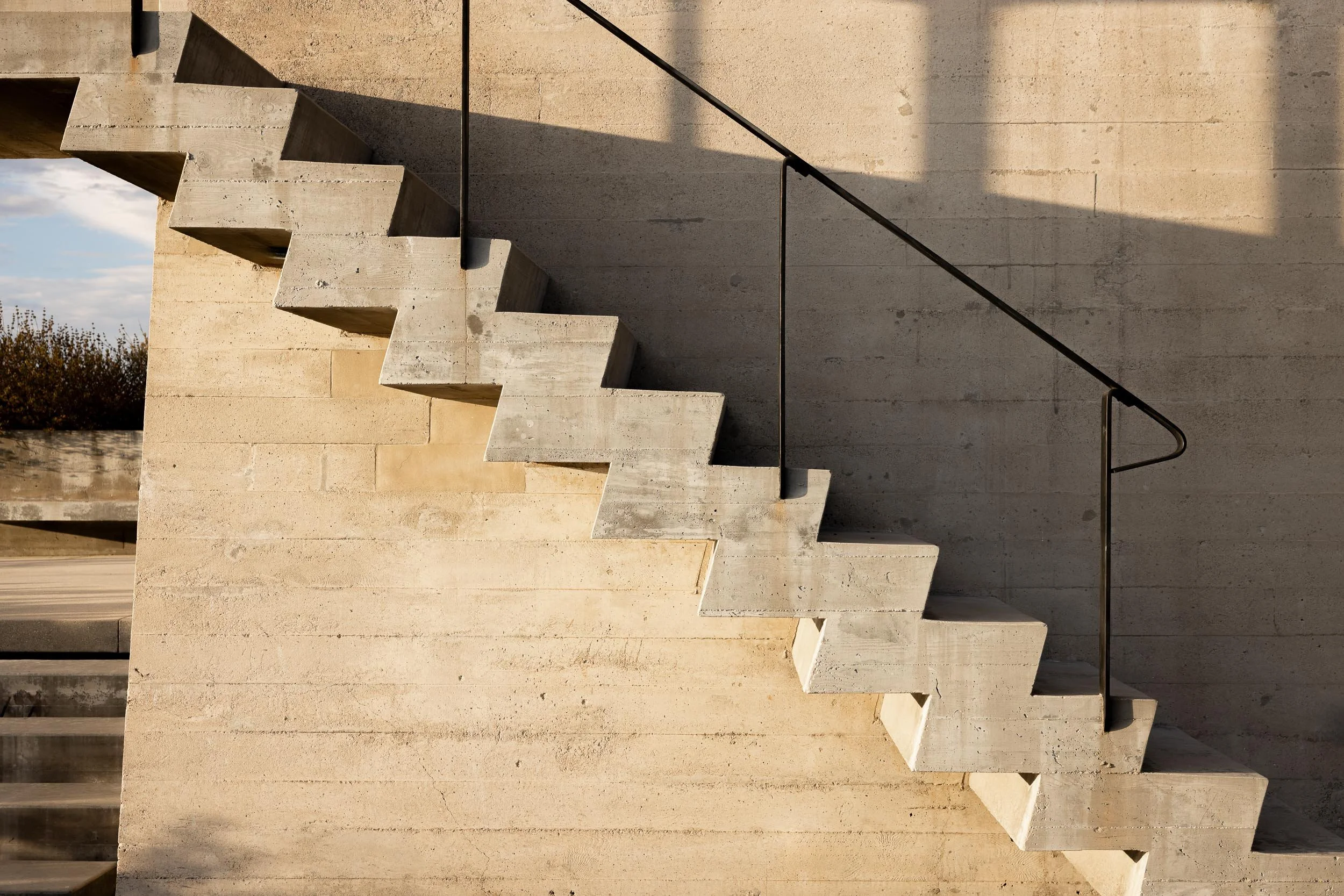
Originally featured in a 1938 edition of Architectural Record, the Hangover House is what many architectural historians consider to be among the early masterpieces of modern residential architecture in Southern California.
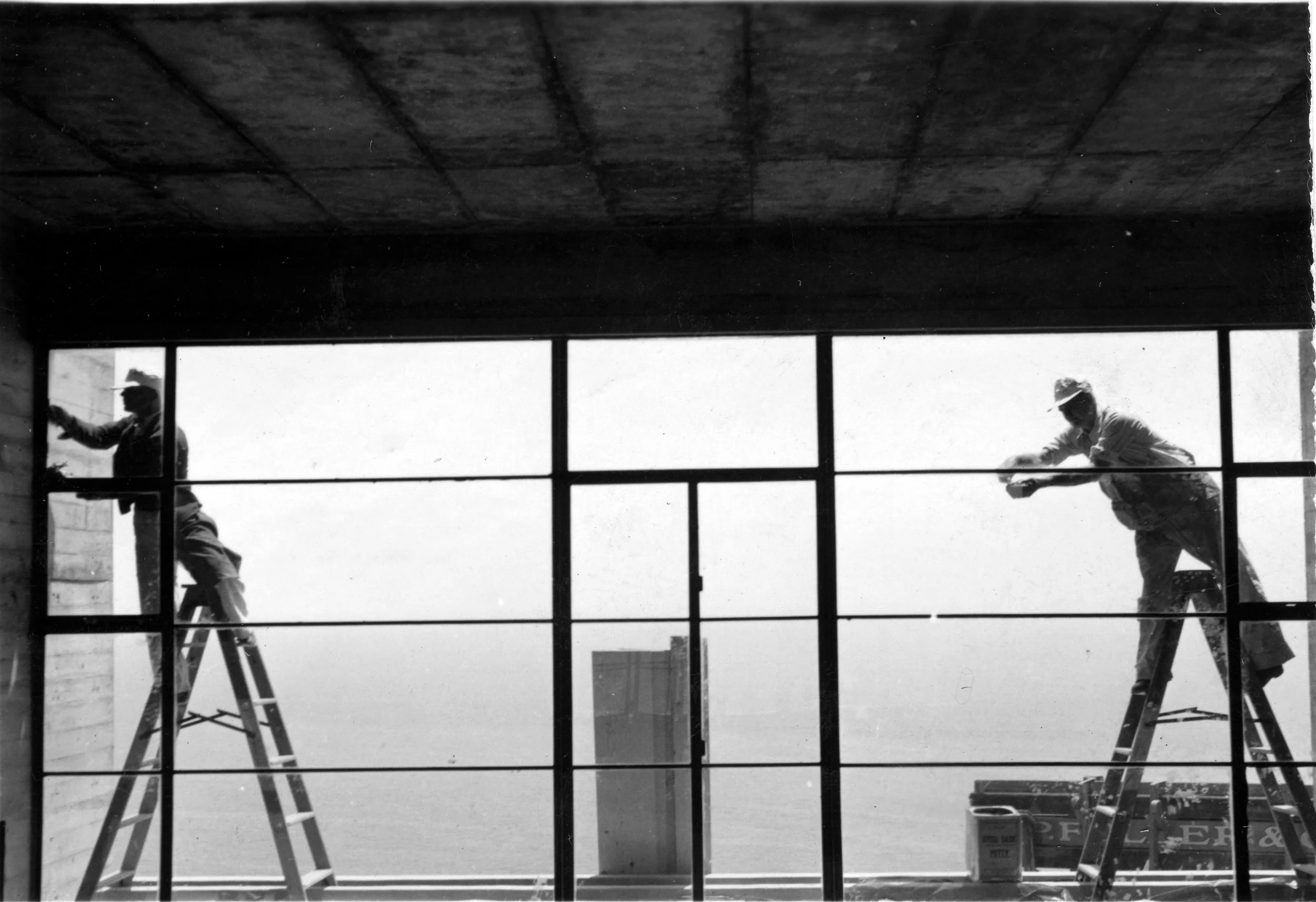
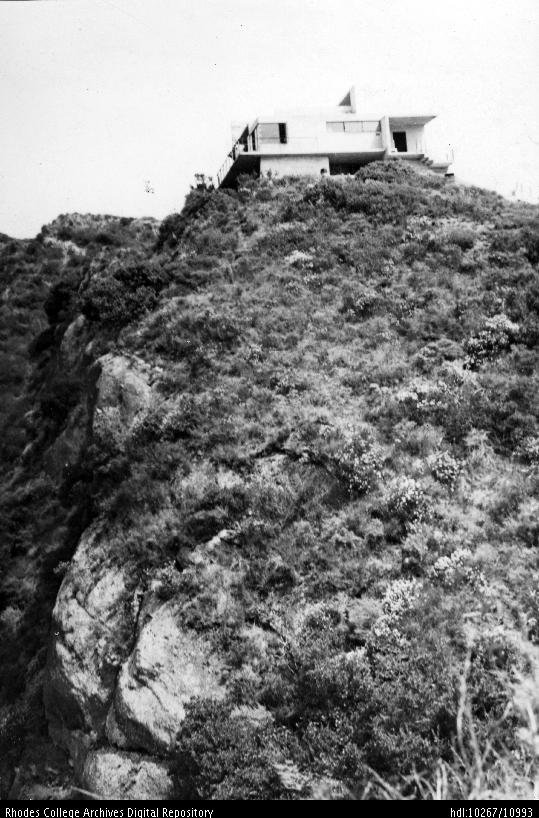
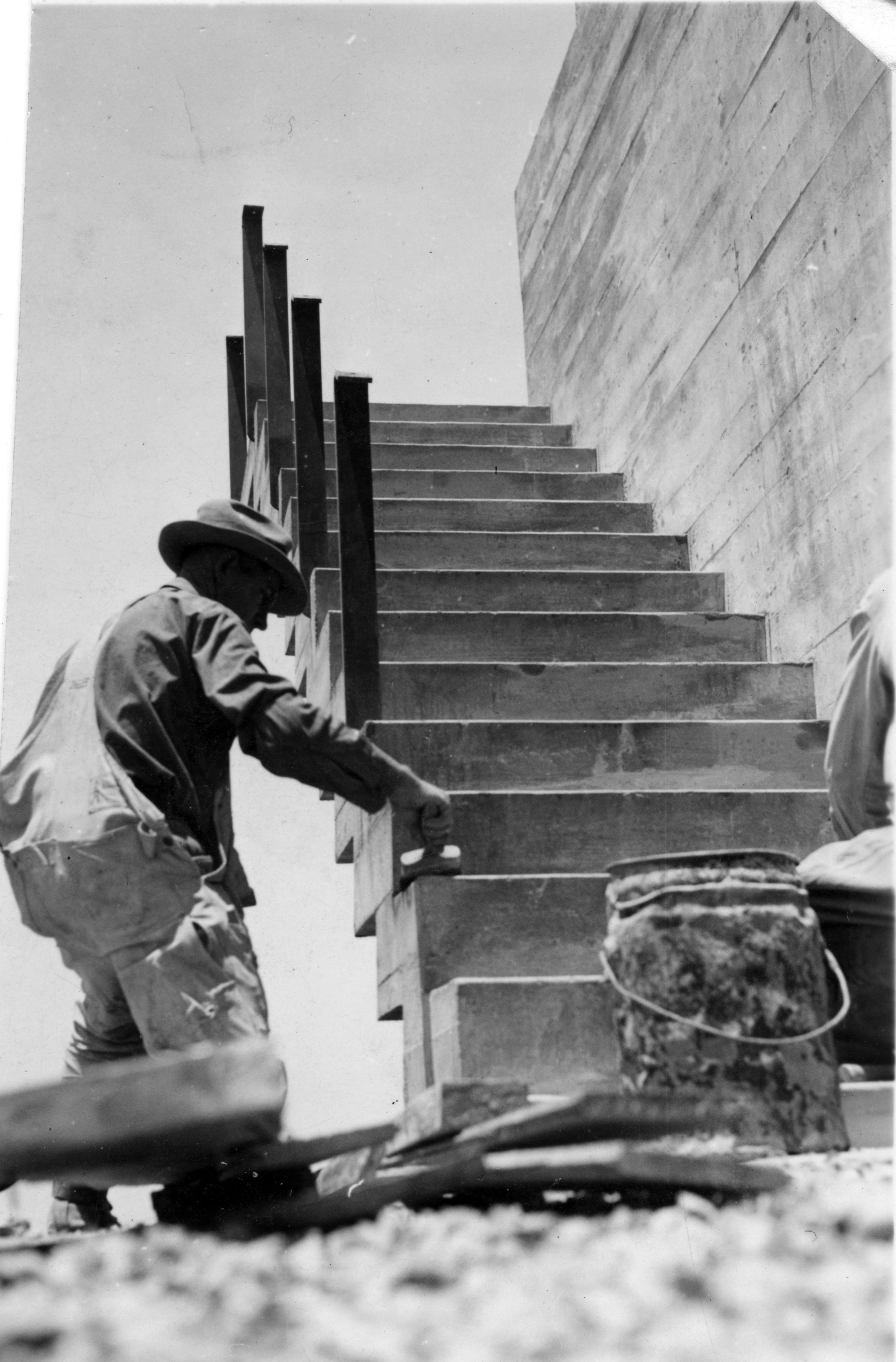
This unique offering also includes the neighboring (approx. 10,000 square foot) lot - which comes with pulled permits for a contemporary concrete and glass guest house, and an infinity edge pool that would sit between the two residences, with concrete steps connecting them. Los Angeles-based architect Mark Whipple is behind the design of the project.
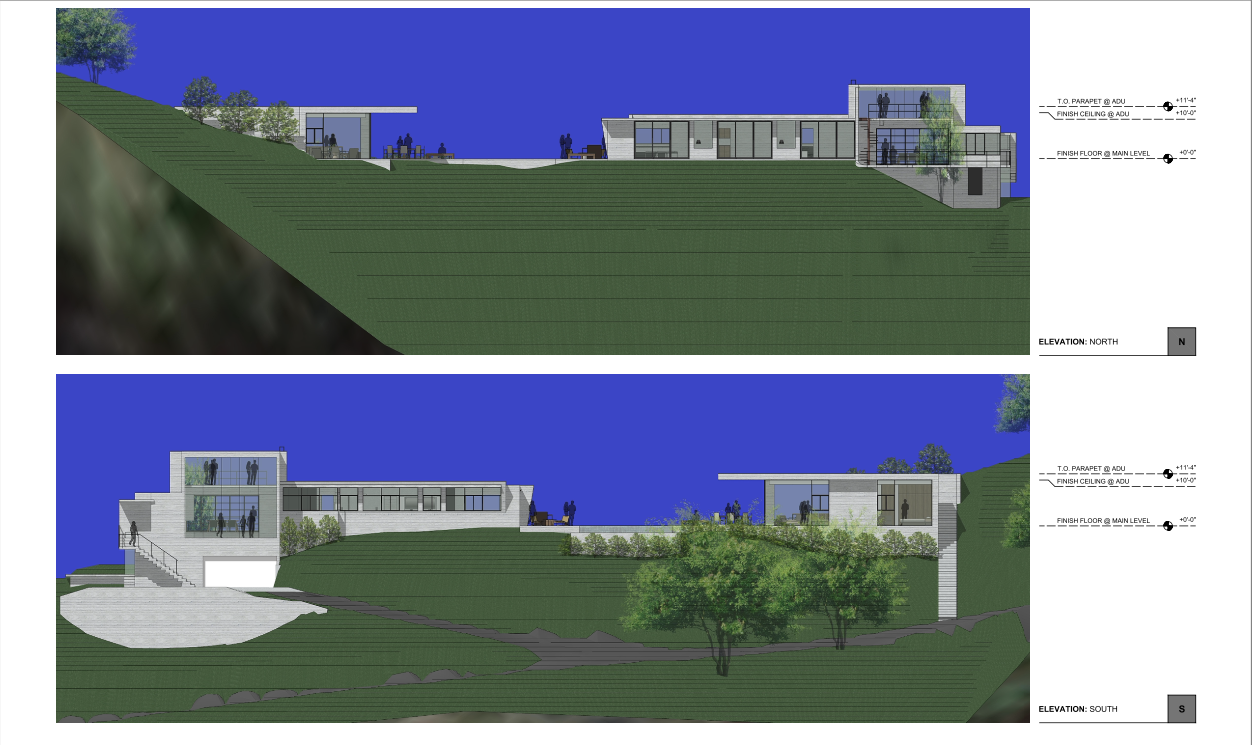
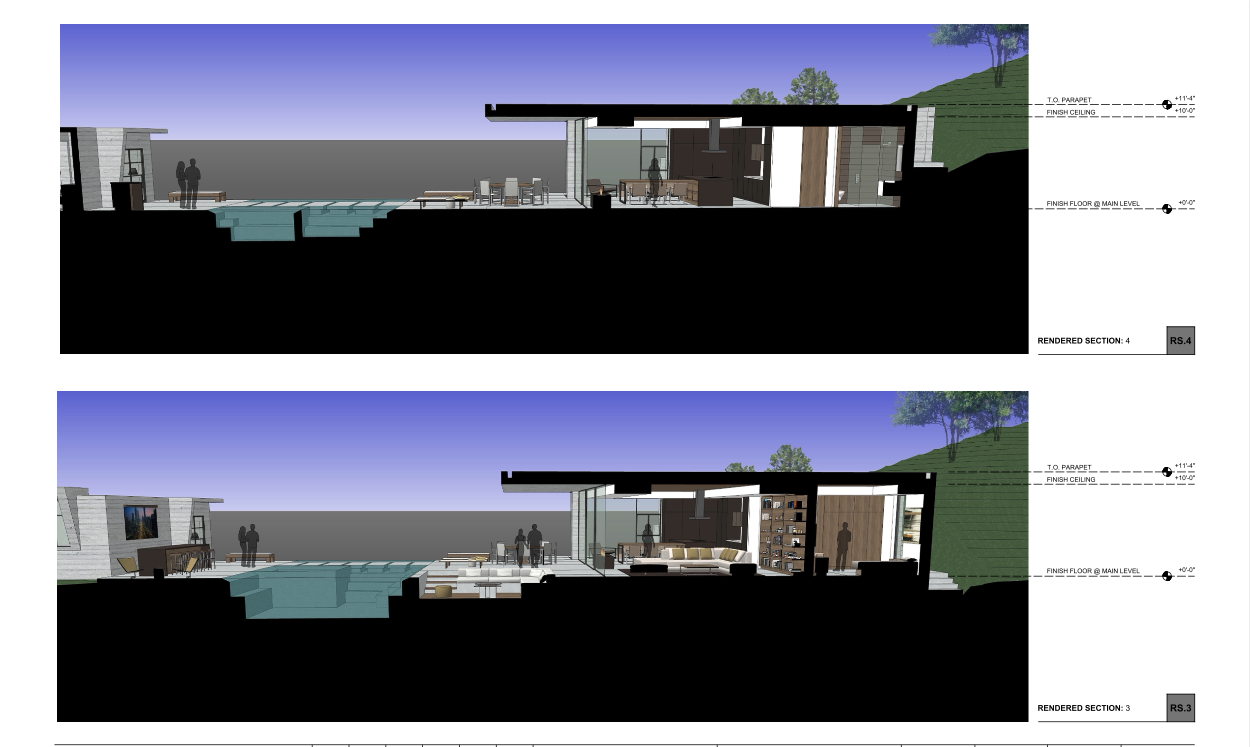
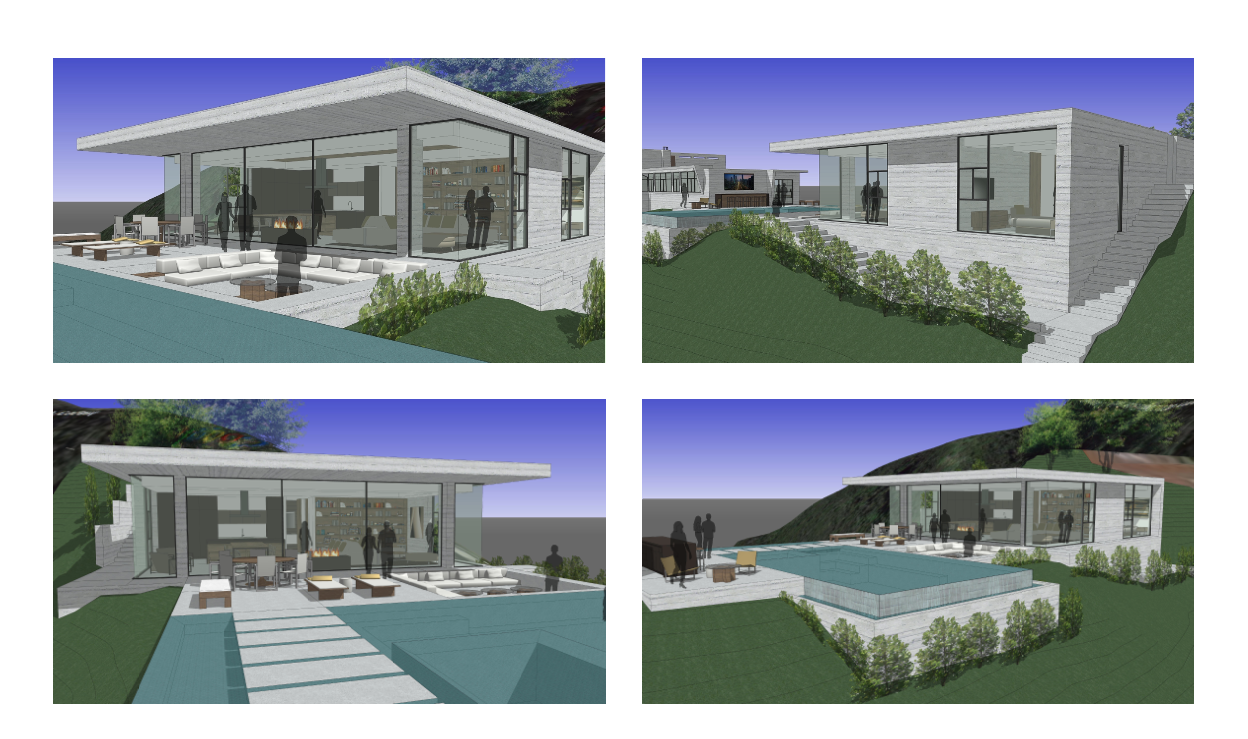
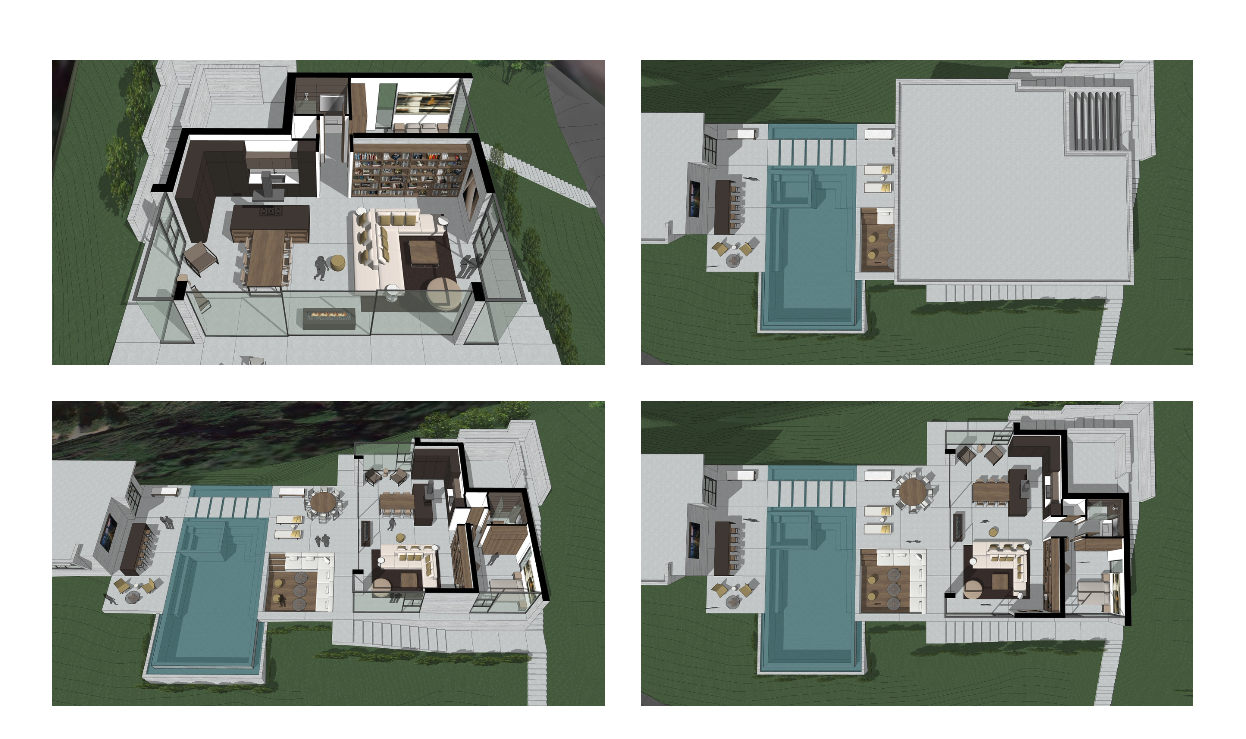
Asking $7.5M - this is an extremely rare opportunity to create an architectural trophy property that merges the iconic Hangover House with a side-by-side contemporary example using similar materials, all overlooking the Pacific Ocean in the heart of South Laguna Beach.